



The Soil Situation: Acidity is Key
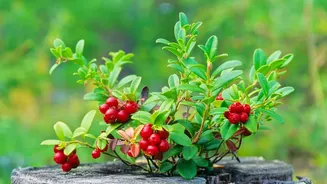
Cranberries are part of the Ericaceae family, meaning they are related to blueberries and rhododendrons and share their absolute need for acidic soil. This is the most critical factor for success. Cranberry plants thrive in a soil pH between 4.2 and 5.5.
Most garden soils are not naturally this acidic, so you will likely need to amend your planting area. Before you plant, get a soil test to determine your starting pH. To lower the pH and create the right environment, you should dig out the planned area to a depth of about 8 inches and replace the soil with a mixture of peat moss and sand. Sphagnum peat moss is naturally acidic and helps create the bog-like conditions cranberries love. Elemental sulfur can also be used to gradually lower soil pH over time.
Let There Be Light
For the best fruit production, cranberry plants need full sun. This means providing them with a spot that receives at least six hours of direct sunlight each day. While the plants can tolerate some partial shade, you will notice a significant reduction in flowers and, consequently, fewer berries. If you live in a particularly hot climate, some protection from intense afternoon sun can be beneficial, but for most regions, more sun equals a more bountiful harvest. When choosing your planting site, observe how the sun moves across your garden throughout the day to find the most consistently bright location.
Watering Wisdom: Ditch the Bog Myth
It's a common misconception that cranberries grow in water. While they are native to wetlands and bogs, they do not like to have their roots submerged during the growing season. The images of flooded cranberry beds are from a wet-harvesting technique used by commercial growers to make the buoyant berries float for easy collection. For the home gardener, the goal is to keep the soil consistently moist but well-drained. Because cranberries have a shallow root system, they can dry out quickly, so regular watering is crucial, especially during dry spells. The ideal soil mix of peat and sand helps; the peat retains moisture while the sand ensures excess water drains away, preventing root rot. Using rainwater is preferable, as tap water can be alkaline and slowly raise the soil's pH over time.
Growing in Containers
If creating an acidic bed in your garden sounds daunting, growing cranberries in containers is an excellent alternative. This method gives you complete control over the soil environment. Choose a wide, relatively shallow container rather than a deep one, as cranberry roots spread horizontally via runners. A pot that is at least 12 inches in diameter is a good start. Fill it with a potting mix designed for acid-loving plants, such as those for azaleas, or create your own with peat moss. Container-grown plants require more frequent watering, as pots dry out faster than garden beds, so check the soil moisture daily in warm weather. Self-watering containers can be particularly effective.
Patience and Payoff
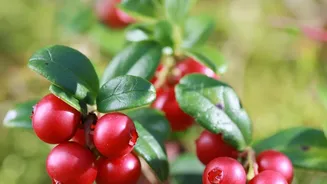
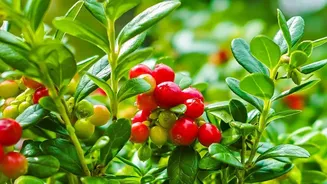
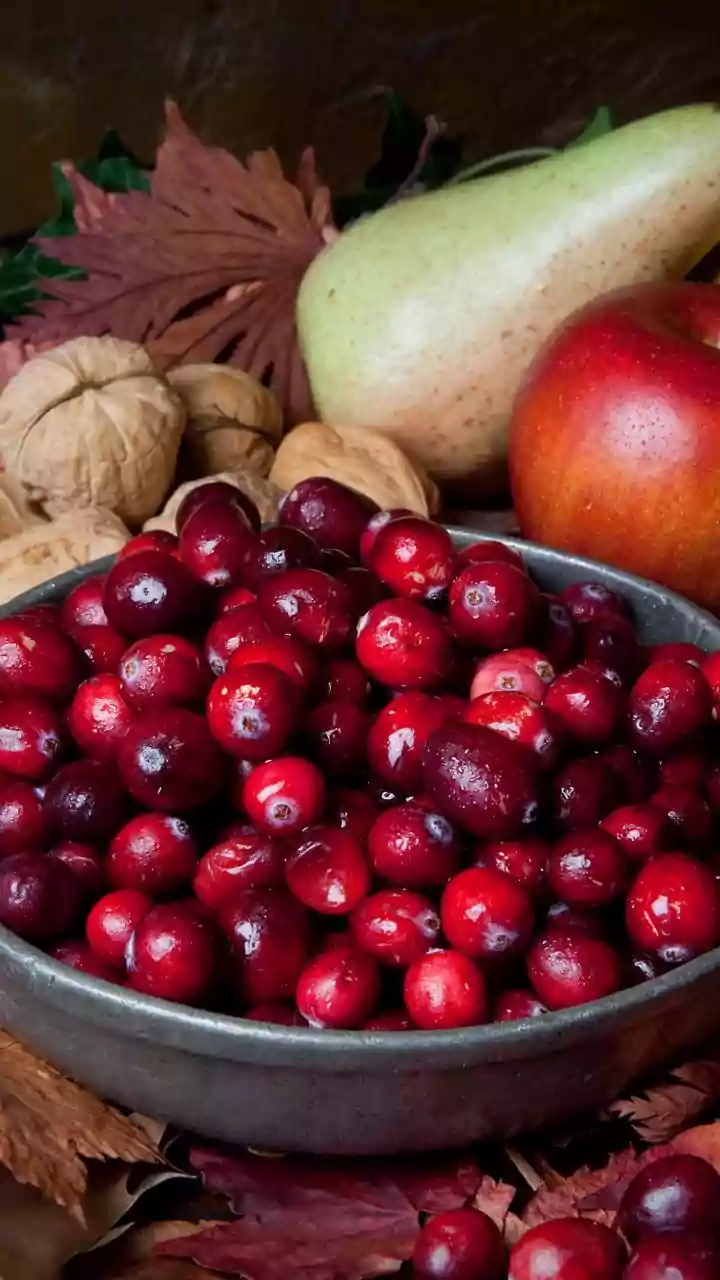
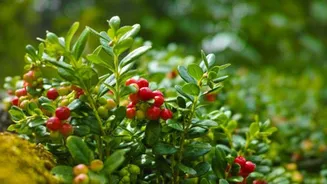
Once planted, cranberries require some patience. The low-growing vines will spread via runners to fill in the bed. Fruit is produced on short, vertical shoots that grow from these runners. You can typically expect your first small harvest in the third year after planting, with production increasing as the plants become more established. The berries are ready to pick in the fall, from September through October, when they have turned a deep, rich red. Be sure to harvest before the first hard frost. With the right foundational care, your cranberry patch can be productive for many years.