





The Current Kitchen Challenge
From vegetables and dals to cooking oils and spices, the cost of daily essentials continues to climb. Recent reports from October 2026 indicate that food inflation is a persistent issue, with some economists predicting it could cross 7%. Factors like
uneven monsoon rains and higher energy costs are contributing to price hikes in staples like onions, which have seen sharp increases. This directly impacts household budgets, particularly for lower and middle-income families where groceries can make up a significant portion of monthly expenses. The challenge, then, is to keep the kitchen running smoothly and nutritiously without letting the grocery bill spiral out of control.
Rethinking Your Proteins: Dal and Beyond
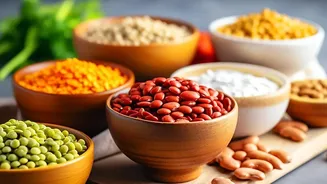
Pulses are the backbone of Indian protein intake, but prices can be volatile. When staples like toor or moong dal become expensive, it's time to get creative. Consider incorporating less common but equally nutritious dals like masoor (red lentils) or whole dals, which are often more affordable, especially when purchased from local mandis instead of supermarkets. Sprouted legumes are another excellent way to extend a small quantity of dal into a larger, more filling dish. Don't forget the power of eggs and paneer; when on sale, they can provide a cost-effective protein boost to any meal, often at a better price point than specialty dals.
Navigating Vegetable Price Spikes
The price of tomatoes, onions, and other staple vegetables can skyrocket without warning. Instead of paying a premium for out-of-season produce, embrace seasonal and local vegetables, which are almost always fresher and cheaper. During the monsoon, for instance, gourds and beans are plentiful, while winter brings affordable carrots, peas, and leafy greens like spinach and methi. When tomatoes are expensive, a paste of tamarind or amchur (dry mango powder) can provide the necessary tang in curries and sambars. Similarly, pumpkin or bottle gourd (lauki) puree can add body and thickness to gravies, replacing a portion of costly onions or tomatoes.
Grains and Superfoods Without the Super Cost
The allure of imported 'superfoods' like quinoa and goji berries is strong, but Indian alternatives offer similar nutritional benefits at a fraction of the cost. Amaranth (rajgira) is a fantastic, protein-rich substitute for quinoa and is locally grown. Likewise, instead of expensive chia seeds, consider flaxseeds (alsi), which are packed with omega-3 fatty acids and fibre. For a vitamin C boost, the humble amla (Indian gooseberry) is far more potent and affordable than exotic berries. Sticking to local grains and millets not only supports your budget but also regional farmers and traditional dietary wisdom.
Smart Shopping and Storage Habits
A significant part of saving money happens before you even start cooking. Planning your meals for the week is a proven way to reduce impulse buys and food waste. Always shop with a list. Buying staples like rice, atta, and certain dals in bulk can lead to substantial savings, but only if you have proper storage and will use the items before they expire. For fresh produce, local markets and mandis typically offer better prices than large supermarkets. Finally, conduct a regular 'pantry audit'. Using what you already have is the easiest way to cut down on your next grocery bill.