




Understanding the Monsoon's True Power
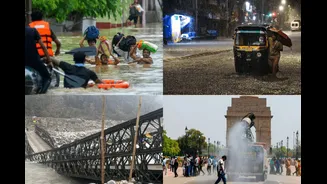
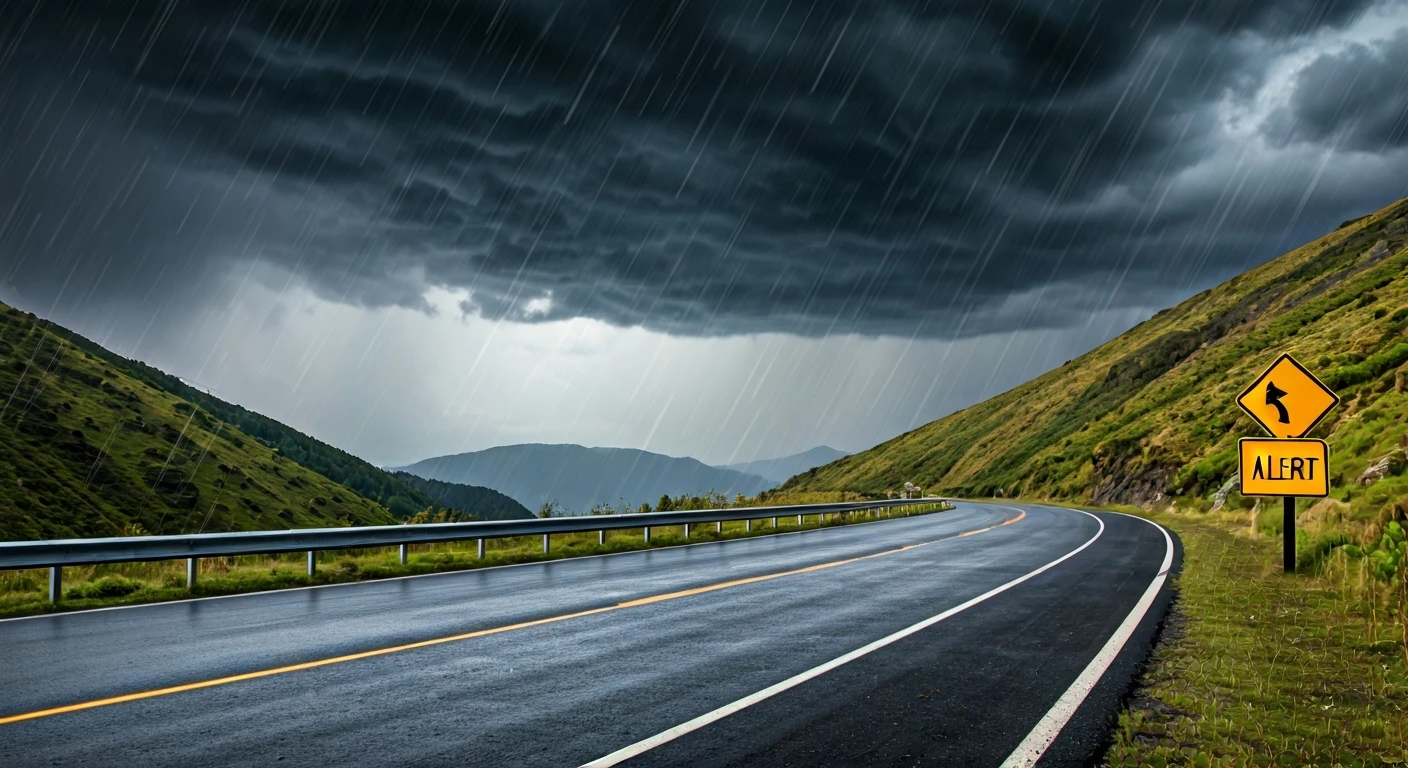
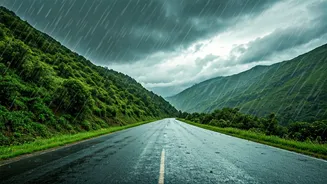
Driving in the hills during a downpour isn't just about dealing with a wet surface; it’s about confronting a fundamentally altered environment. Heavy rain saturates the soil, dramatically increasing the risk of landslides and mudslips, a danger recently
highlighted by meteorological warnings for regions like North Bengal and Arunachal Pradesh. The physics of driving also changes completely. Water on the road reduces the friction between your tyres and the asphalt, leading to significantly longer braking distances. At speeds as low as 50 km/h, your vehicle can begin to hydroplane, where a layer of water builds up and causes your tyres to lose contact with the road entirely, resulting in a complete loss of steering control. Potholes hide under puddles, and seemingly stable stretches of road can give way without warning.
Your Pre-Trip Vehicle Checklist
A safe journey begins long before you turn the key. A thorough vehicle check is non-negotiable. First, inspect your tyres. They are your single most important connection to the road. Ensure they have adequate tread depth—at least 3 mm is recommended for wet conditions—to effectively channel water away and maintain grip. Also, check that they are inflated to the manufacturer’s recommended pressure. Second, test your brakes. If they feel spongy or make unusual noises, have them inspected immediately. Third, your wipers are your lifeline to clear vision. Replace blades that leave streaks or don't clear the windscreen effectively. Finally, ensure all your lights are working: headlights, taillights, brake lights, and indicators. In poor visibility, being seen is just as important as seeing.
Defensive Driving on Slopes and Curves
Once on the move, your driving style must adapt. The golden rule is to slow down. Reduce your speed by at least a third of what you would normally drive at in dry conditions. This gives you more time to react and helps prevent skidding. Maintain a much larger following distance from the vehicle ahead—double what you would normally keep. When descending steep slopes, use a lower gear to let the engine assist with braking. This prevents your brakes from overheating and failing. Be exceptionally cautious on sharp turns and blind curves. Honk to alert oncoming traffic and stay strictly in your lane. Avoid any sudden movements, whether accelerating, braking, or steering. Smooth, deliberate actions are key to maintaining traction and control on slippery surfaces.
Handling Poor Visibility and Road Hazards
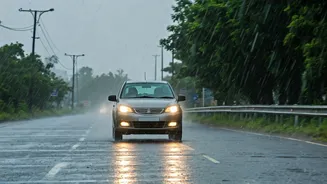
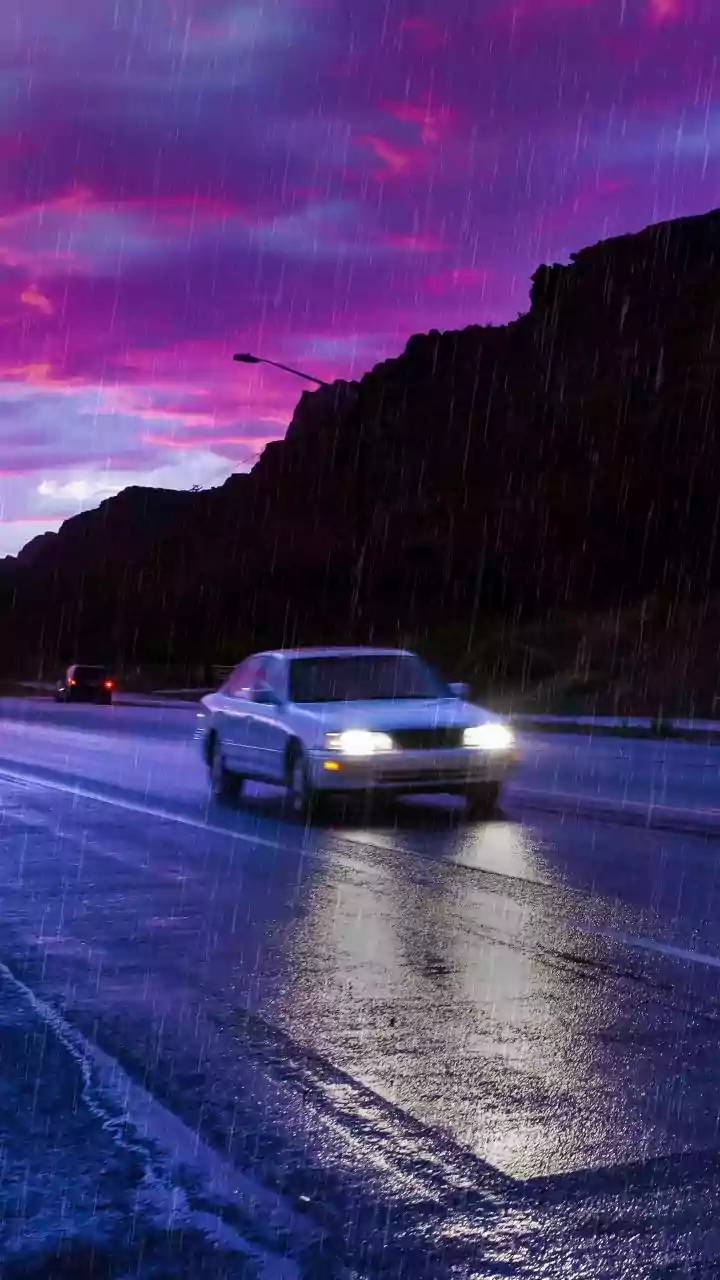
Heavy rain and fog can reduce visibility to almost zero. Always drive with your low-beam headlights on, even during the day, to make your vehicle more visible to others. Avoid using high beams, as they reflect off raindrops and fog, worsening your own visibility. If you encounter a waterlogged patch, do not attempt to drive through it. It's impossible to know the depth of the water or what hazards, like deep potholes or debris, lie beneath. If you must proceed, do so slowly in a low gear while keeping the engine revs high. Be alert for signs of potential landslides, such as trickles of mud, falling rocks, or cracks appearing on the road surface. It is always safer to turn back than to risk crossing an unstable area.
Be Prepared for the Worst-Case Scenario
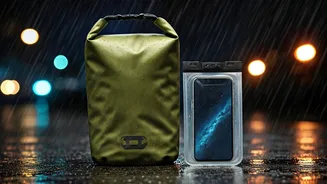
Even with the best preparation, things can go wrong. Getting stranded is a real possibility due to landslides or road blockages. Your car should contain an emergency kit. This includes essentials like a first-aid kit, a torch with extra batteries, an umbrella, and a towel. Ensure your phone is fully charged and carry a power bank. It’s also wise to have a stock of drinking water and non-perishable snacks. Before you leave, make sure your fuel tank is full, as you may be stuck in traffic for hours. If you do get stranded, pull over to a safe location, as far off the road as possible, and turn on your hazard lights to alert other drivers. Avoid parking under trees or near steep slopes that could be unstable.