


The Sheet Pan Advantage
Why has this method become a staple in modern kitchens? The answer is simple: efficiency. By roasting everything on a single pan, you drastically cut down on both active cooking time and post-dinner cleanup. The high, dry heat of the oven concentrates
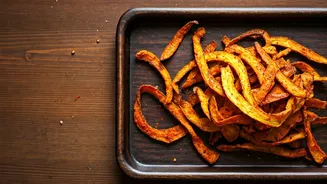
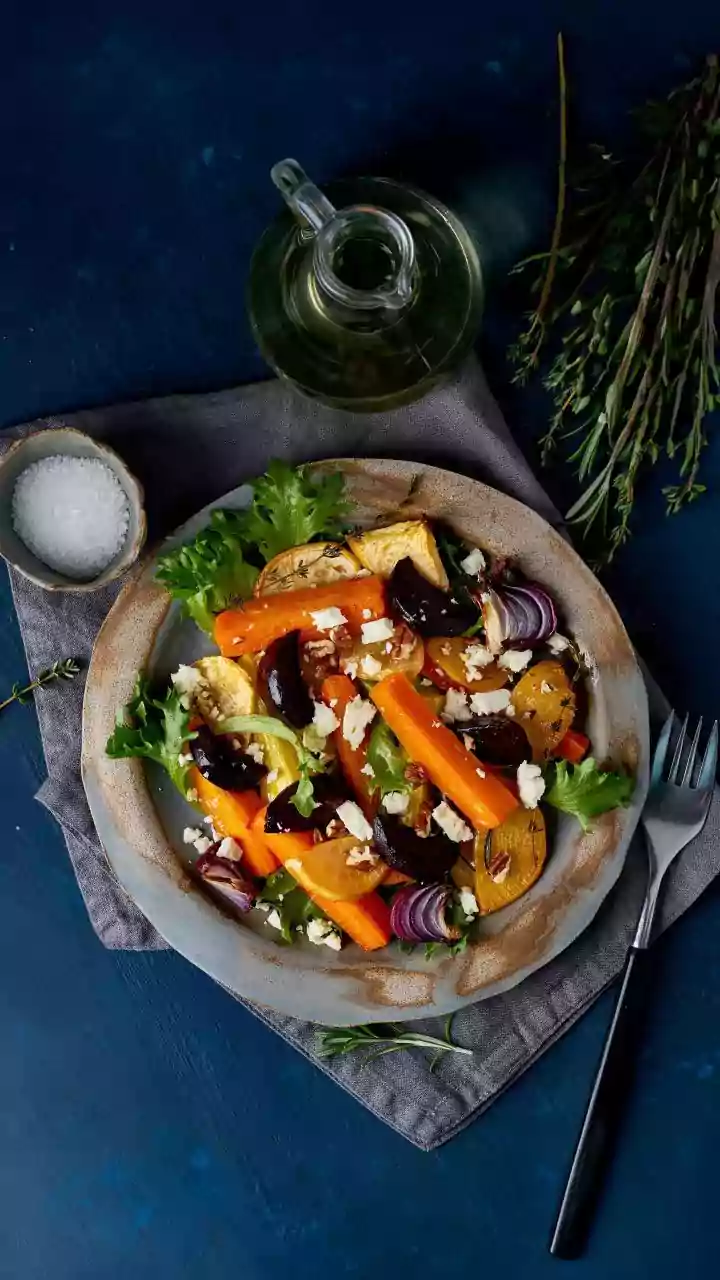
the natural sugars in root vegetables, resulting in a caramelised, deeply savoury flavour that’s far more complex than boiling or steaming can achieve. It’s a hands-off technique that allows you to chop, toss, and walk away, freeing you up while dinner practically makes itself. This method is perfect for meal prep, providing a versatile component that can be used in salads, grain bowls, or as a simple side dish throughout the week.
Choosing Your Root Vegetables
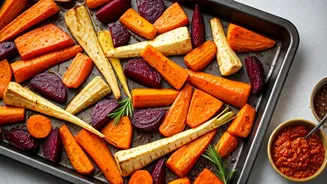
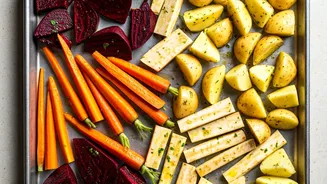
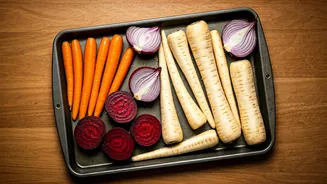
The beauty of this method lies in its flexibility. Most root vegetables work wonderfully, but it helps to know their characteristics. * **Hard, Starchy Veggies:** Potatoes, sweet potatoes, and beets take the longest to cook. Cut them into uniform 1-inch (2.5 cm) cubes. Beets will stain everything they touch, so consider roasting them on a separate piece of foil on the same pan if you want to keep other colours clean. * **Firm Favourites:** Carrots and parsnips are slightly quicker to soften. Cut them into similar-sized pieces or, for a more rustic look, simply halve or quarter them lengthwise. * **Quicker Additions:** While not technically roots, onions (cut into wedges) and whole garlic cloves are excellent companions. They add a fragrant, savoury depth and cook at a similar rate to carrots.
Prep for Roasting Success
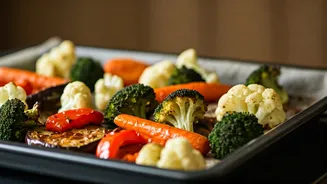
Proper preparation is the key to achieving that perfect, evenly-browned result. First, ensure your vegetables are cut into roughly the same size. This promotes even cooking, so you don’t end up with some pieces burnt while others are still hard. The next crucial step is to use a large enough sheet pan. Your vegetables need space; if they are crowded together, they will steam instead of roast, leading to a soft, pale result. A good rule of thumb is to arrange them in a single layer with a little breathing room between each piece. If you have too many vegetables for one pan, it’s better to use two pans than to overcrowd one. Finally, make sure your vegetables are completely dry before tossing them with oil. Excess moisture is the enemy of crispiness.
The Right Oil and Seasoning
You need an oil with a high smoke point that can handle the oven's heat. Good choices include avocado oil, grapeseed oil, canola oil, or even a light olive oil (avoid extra-virgin for this high-heat application). Use just enough to lightly coat every piece—about one to two tablespoons per pan is usually sufficient. For seasoning, simplicity is often best. A generous sprinkle of salt and freshly ground black pepper is a fantastic start. From there, you can customise. A classic combination is dried rosemary and thyme. For a warmer flavour, try smoked paprika and a pinch of cumin. Want a little heat? A dash of red pepper flakes works wonders. Toss everything together in a large bowl before spreading on the pan to ensure an even coating.
Mastering the Roasting Process
Now for the easy part. Preheat your oven to 200-220°C (400-425°F). A hot oven is essential for getting that delicious caramelised exterior. Spread your oiled and seasoned vegetables on the prepared sheet pan. Roast for 30-45 minutes, but don’t just set it and forget it entirely. About halfway through the cooking time—around the 20-minute mark—take the pan out and use a spatula to flip the vegetables and toss them around. This ensures all sides get a chance to brown. The vegetables are done when they are tender all the way through when pierced with a fork and have golden-brown, crispy edges. Cooking times will vary depending on your oven and the specific vegetables you’ve chosen, so keep an eye on them during the last 10 minutes.