






Why Low-Impact Is Key
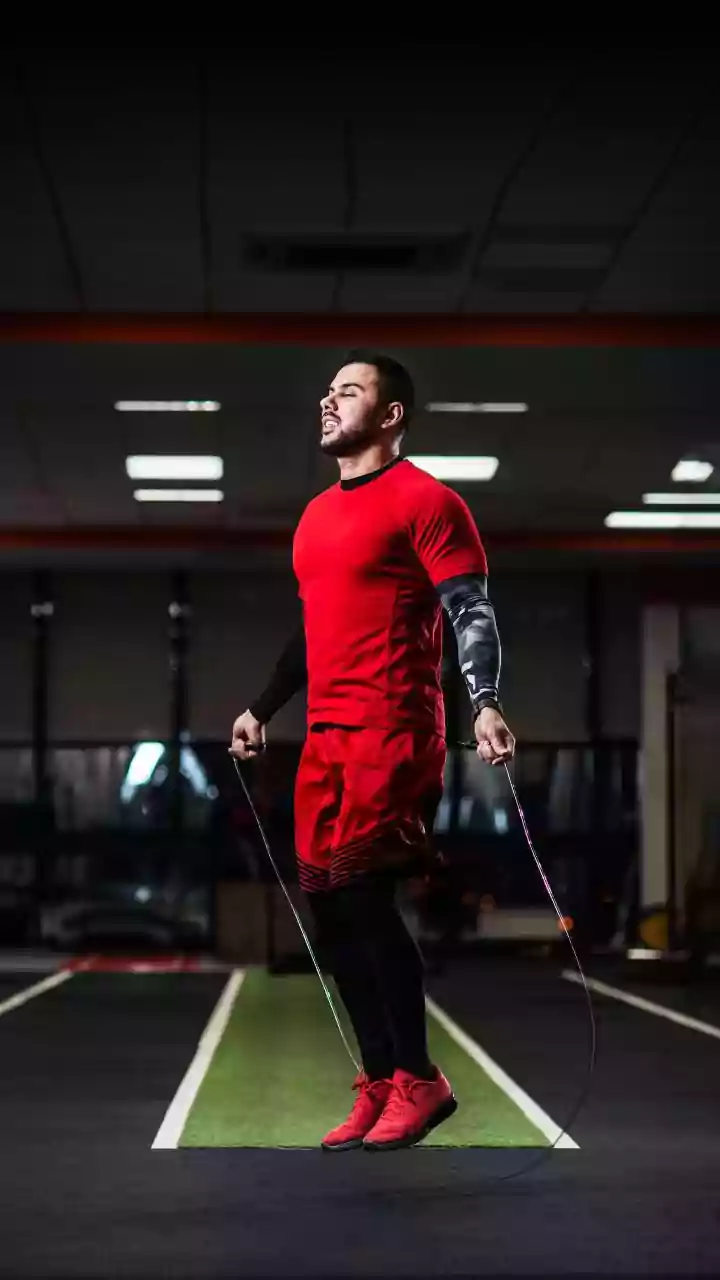
The first principle of joint-friendly exercise is to choose low-impact activities. Unlike high-impact exercises like running or jumping, low-impact movements don't jolt the body. They keep at least one foot on the ground or use a machine or water to support
your weight, which minimizes stress on your knees, hips, and back. This approach allows you to build strength and improve cardiovascular fitness without aggravating sensitive joints. Stronger muscles act as shock absorbers, taking pressure off the joints themselves and improving stability over time.
Always Start with a Warm-Up
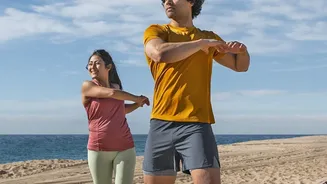
Never jump straight into a workout, especially with sensitive joints. A 5- to 10-minute warm-up increases blood flow, bringing oxygen and heat to your muscles and making them more pliable. It also helps stimulate the production of synovial fluid, which lubricates the joints and reduces friction. Focus on dynamic stretches—gentle, repetitive movements that take your joints through their range of motion. Think arm circles, leg swings, hip circles, and torso twists. This prepares your body for the activity to come and can significantly reduce the risk of injury.
Water Workouts: Buoyancy Is Your Friend
Exercising in a pool is one of the best options for anyone with joint concerns. The water's buoyancy supports your body weight, drastically reducing the impact on your joints. When you're in chest-deep water, your legs only have to support a fraction of your body weight. This allows for a greater range of motion with less pain. Water also provides gentle, consistent resistance, helping you build strength without needing weights. Activities like swimming, water aerobics, or even just walking in the pool are excellent for improving strength, flexibility, and cardiovascular health.
Cycling: Smooth and Steady Motion
Whether on a stationary bike or outdoors, cycling is a fantastic low_impact exercise that strengthens the major muscles supporting the knee, including the quadriceps, hamstrings, and glutes. This helps take pressure off the knee joint. The smooth, repetitive pedaling motion improves blood flow and helps lubricate the joint without the jarring impact of running. For beginners, a stationary or recumbent bike is a great starting point, as you can control the resistance and ensure your posture is correct, which is key to avoiding strain.
The idea of lifting weights might seem counterintuitive, but strength training is crucial for joint health. Strong muscles provide vital support for your joints, absorbing impact and reducing strain. You don't need to lift heavy weights to see benefits. Start with bodyweight exercises like glute bridges and modified squats (using a chair for support). Resistance bands are another excellent tool for safely building muscle without overloading the joints. The key is to focus on controlled movements and proper form, training two to three times per week. If you feel sharp pain, stop and adjust.
This is the most important rule of all. It's normal to feel muscle soreness after a new workout, but sharp, stabbing, or persistent joint pain is a signal to stop. Learn to differentiate between the productive ache of a muscle getting stronger and the warning sign of joint aggravation. If an exercise hurts, try modifying it by reducing the range of motion or switching to a different activity. Starting slow and gradually increasing the duration and intensity of your workouts is the safest way to build fitness without causing a flareup.
Just as a warmup prepares your body for exercise, a cooldown helps it recover. A 5 to 10 minute period of slower activity, like gentle walking, allows your heart rate to return to normal gradually. Following this with static stretching—where you hold a stretch for 15–30 seconds—can improve flexibility and reduce postworkout stiffness. Focus on stretching the major muscle groups you just worked. Holding stretches while your muscles are still warm is the most effective way to enhance your longterm range of motion.