





The Battle for Burner Space
Your stovetop is the most valuable real estate in your kitchen during meal prep. With only a few burners, creating a menu where every dish requires last-minute sautéing or simmering is a recipe for disaster. To avoid a frantic juggle of pots and pans,
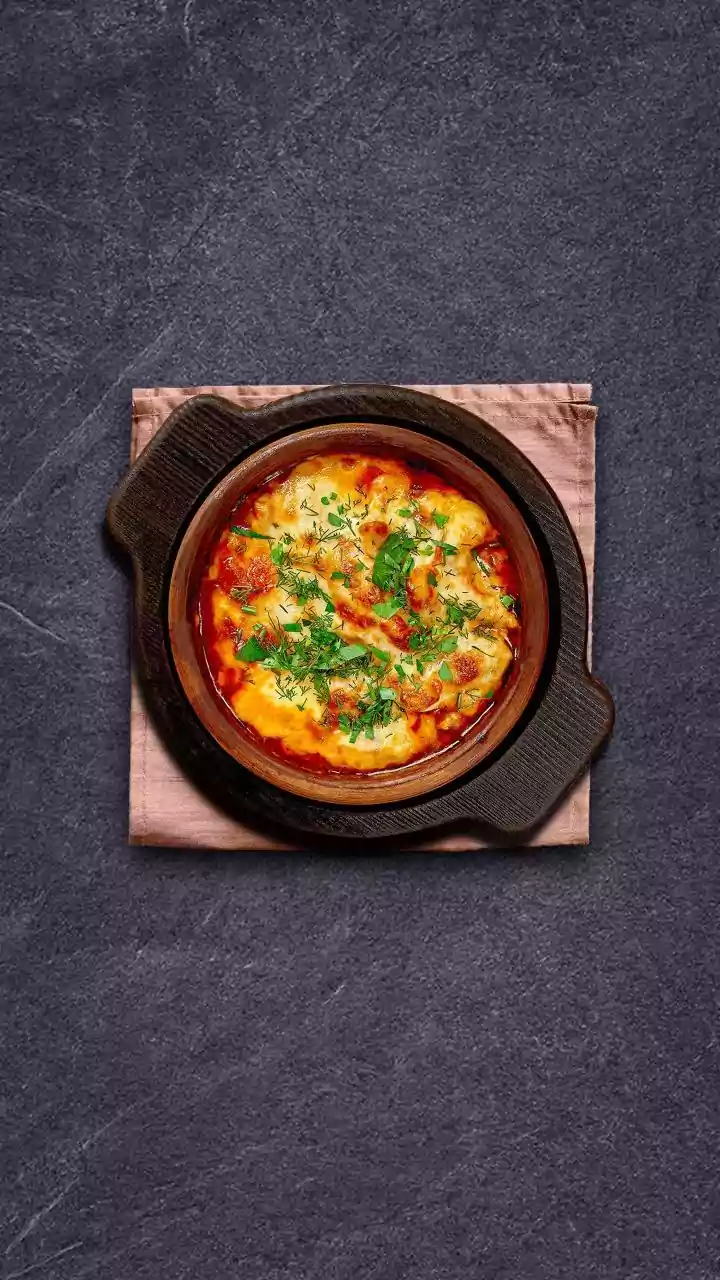
you need to diversify your cooking methods. When planning your menu, think beyond the stove. A truly workable menu leverages every appliance. Consider a main dish that can be roasted in the oven, freeing up all your burners. A slow cooker is perfect for a hands-off dish like a stew or pulled pork, which can be prepared hours in advance. Even the microwave can be an ally for steaming vegetables or reheating a pre-made sauce. The goal is to create a menu where only one, or at most two, items need your active attention on the stove just before serving. This approach drastically reduces stress and ensures everything is ready at the same time.
Mastering Refrigerator Real Estate
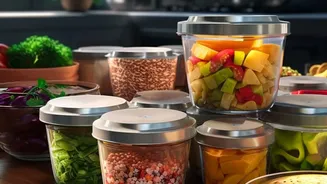
A successful party menu is often built on what you can prepare ahead of time, and that makes refrigerator space a critical resource. Before you even write a shopping list, conduct a full audit of your fridge. What can be consumed or moved to make space? This step is non-negotiable. A workable menu includes dishes that can be partially or fully prepared one or two days in advance. Think about sauces, dressings, and chopped vegetables. Casseroles and lasagnas can often be assembled the day before and baked just before serving. Desserts like cheesecakes or trifles are often better when made ahead. Also, be mindful of the physical footprint of your ingredients and prepared items. A whole watermelon or a large stockpot will occupy significant space. Opt for recipes with components that can be stored compactly. Marinating meats in sealed bags instead of bulky containers, for example, is a classic space-saving trick.
Why Timing Is Everything
The secret weapon of any relaxed host is a detailed prep schedule. Creating a timeline of tasks, working backward from the moment you want to serve the meal, transforms a chaotic cooking session into a calm, methodical process. A good timeline breaks down every recipe into individual tasks and assigns them to specific slots: two days before, the day before, the morning of, and the final hour. Two days out might be for grocery shopping and making a stable dessert. The day before could be for chopping all sturdy vegetables, making sauces, and assembling any make-ahead dishes. The morning of is for more delicate prep, like preparing a salad base (hold the dressing). The final hour should be reserved for active cooking, reheating, and plating. This level of planning ensures you aren't trying to remember if you bought parsley while also trying to keep a sauce from burning. It allows you to be present with your guests, not chained to the kitchen.
Putting It All Together: The Workable Menu
So what does a workable menu look like in practice? It’s a balanced portfolio of dishes that strategically uses your kitchen's resources. A good template is to select one dish for each of your main appliances and time slots. For example: an appetizer that can be served at room temperature (like a charcuterie board or bruschetta), a salad with a make-ahead dressing, a main course from the oven (like a roast chicken or baked pasta), a side dish from the slow cooker (like creamy mashed potatoes), and a dessert made the day before. This model ensures your burners aren't overloaded, your fridge isn't impossibly full on the day of the party, and your time is managed effectively. By designing the menu around these constraints from the start, you avoid overwhelming yourself and can create an ambitious and delicious meal that is, most importantly, achievable.