







What the New Research Shows
The long-held association of urban heat islands with scorching summer months is being challenged by new scientific evidence. Recent studies indicate that the phenomenon—where cities are significantly warmer than surrounding rural areas—is not confined
to summer. A 2025 study focusing on the tropical city of Kochi, India, revealed a pronounced warming trend not only in summer but also an amplified heat island effect during the winter. Researchers found that between 2000 and 2023, Kochi experienced a decadal warming trend of 0.08°C per year in winter, slightly higher than its summer warming. This suggests that the physical structure of our cities is creating a year-round thermal burden. The effect is particularly noticeable at night, when the heat absorbed by concrete and asphalt during the day is slowly released, preventing cities from cooling down as effectively as natural landscapes.
Why Cities Have Their Own Microclimate
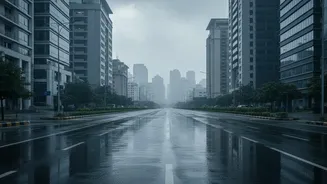
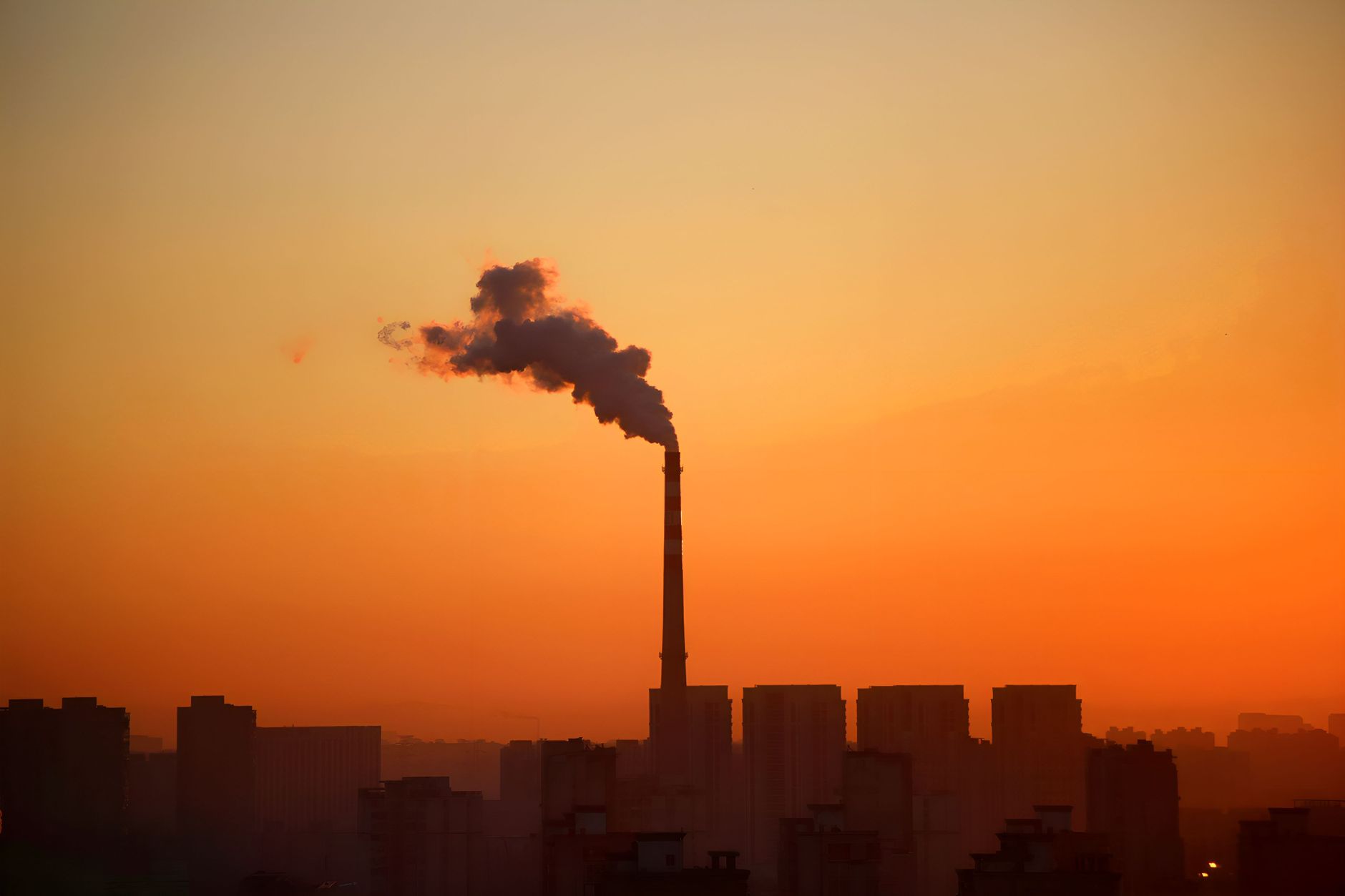
Urban heat islands are a direct result of how we build our cities. Materials like asphalt, concrete, and brick are excellent at absorbing and storing the sun's heat. This is compounded by the loss of natural landscapes; where trees and vegetation would normally provide shade and cool the air through a process called evapotranspiration, we have heat-retaining surfaces instead. The design of cities also plays a crucial role. Tall buildings create 'urban canyons' that trap heat and block cooling winds. Furthermore, waste heat from vehicles, industrial processes, and air conditioning units constantly adds to the warmth of the urban environment, a factor known as anthropogenic heat. Together, these elements transform our cities into vast thermal batteries that struggle to discharge their heat, especially on calm nights.
The 'Winter' Heat Effect in Indian Cities
While a warmer city might sound appealing during colder months, the reality is more complex and often detrimental. In tropical regions like much of India, the concept of a cold winter is relative, and any additional heat can increase discomfort. The study on Kochi highlighted that the intensity of the urban heat island effect actually grew more in winter over the last decade, linked to rapid urbanization and the loss of green cover. This persistent warmth, even outside of peak summer, has significant consequences. It can worsen air quality by trapping pollutants close to the ground, a phenomenon observed even in colder climates. In India, where air quality is already a major concern in many urban centres, a year-round heat island effect can exacerbate respiratory and cardiovascular problems. The lack of a true cool-down period means the environmental and health stresses once considered seasonal are becoming a constant reality for urban populations.
The Hidden Costs: Health and Energy
A city that never fully cools down places a continuous strain on both public health and infrastructure. The most significant impact is on human health, as the body is deprived of the natural overnight recovery from daytime heat. This increases the risk of heat-related illnesses like heat exhaustion and heatstroke, especially for vulnerable groups such as the elderly, children, and those with chronic health conditions. The economic costs are also substantial. Persistent heat leads to increased demand for air conditioning and cooling, driving up energy consumption and household electricity bills. In a nation like India, this can strain power grids and lead to greater reliance on polluting energy sources. Moreover, infrastructure itself suffers, as materials like roads and bridges experience faster wear and tear from constant thermal stress.
What Can Our Cities Do?
Addressing the year-round urban heat island effect requires a fundamental rethinking of urban planning. The most effective strategies focus on reintroducing nature into the urban fabric. Expanding green spaces, planting more street trees, and installing 'green roofs' can provide significant cooling benefits through shade and evapotranspiration. Another key approach involves changing the materials we use. Implementing 'cool roofs' with reflective white or light-coloured coatings can reflect more sunlight and absorb less heat, a simple yet effective measure. Similarly, using more permeable and lighter-coloured paving materials can help reduce ground-level heat absorption. Urban design that promotes natural wind flow through ventilation corridors can also help disperse trapped heat. These solutions not only combat heat but also improve air quality, reduce energy consumption, and create more liveable, resilient cities for all seasons.