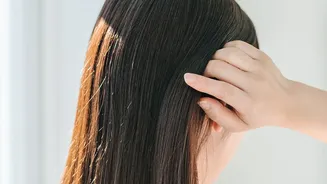





As the weather turns colder, you might notice an unwelcome change not just in your skin, but on your scalp. Those pesky white flakes aren't just annoying; they're a sign of dryness. Here’s how scalp exfoliation can be your winter saviour.
Why Your Scalp Suffers in Winter
Just like the
skin on your face, your scalp is vulnerable to cold, dry air. When humidity levels drop, the moisture in your skin evaporates more quickly, a process known as transepidermal water loss. This is made worse by indoor heating, which further dries out the air. This combination strips your scalp of its natural oils, compromising its protective barrier and leading to tightness, itchiness, and those familiar fine, white flakes. This isn't the same as dandruff, which is typically caused by excess oil. Winter dryness is simply a cry for more moisture.
What is Scalp Exfoliation?
Scalp exfoliation is the process of removing dead skin cells, excess oil, and product buildup from the skin on your head. Think of it as a facial for your scalp. Over time, this buildup can clog hair follicles, leading to dull hair, irritation, and flakiness. By clearing away this congestion, you create a clean, balanced environment that allows your scalp to breathe and your hair to grow healthier and stronger. It's a crucial step that helps maintain the foundation for your hair's overall health.
Physical vs. Chemical Exfoliation
There are two main ways to exfoliate your scalp. Physical exfoliants use gritty particles, like sugar or sea salt, to manually scrub away debris. These are effective for removing heavy product buildup. Chemical exfoliants use gentle acids, such as salicylic acid (a BHA) or glycolic and lactic acids (AHAs), to dissolve the bonds holding dead skin cells together. Chemical options are often gentler and can be more suitable for sensitive or very dry scalps, as they provide more even exfoliation without abrasive scrubbing. Salicylic acid is particularly good for oily scalps, while lactic acid is a milder choice for sensitive skin.
A Step-by-Step Guide to Safe Exfoliation
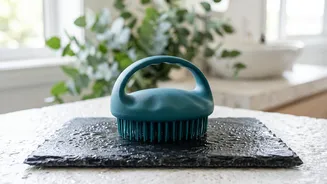
To get the benefits without causing irritation, follow a simple process. Start with wet, shampooed hair. Apply your chosen exfoliating product directly to the scalp, parting your hair into sections to ensure even coverage. Using your fingertips (never your nails), massage the product into your scalp with gentle, circular motions for about three to five minutes. This not only helps lift away flakes but also boosts circulation. Avoid scrubbing the hair shafts themselves; focus only on the scalp. When you’re done, rinse your hair thoroughly with lukewarm water to ensure all product residue is gone.
How Often Should You Exfoliate?
More is not better when it comes to exfoliation. Overdoing it can strip the scalp's natural barrier, leading to more dryness and irritation. For a dry or sensitive scalp, exfoliating once every one to two weeks is generally sufficient. If you have an oilier scalp or use a lot of styling products, you can increase the frequency to once or twice a week. Pay attention to how your scalp feels and adjust your routine accordingly. If you experience redness or soreness, give your scalp a longer break between treatments.
Aftercare is Key
After exfoliating, your scalp is primed to absorb moisture. Always follow up with a nourishing, hydrating conditioner or a hair mask to replenish your scalp and hair. Rinsing with cool water can also help close your pores and lock in moisture. For at least a day after exfoliating, try to avoid harsh products with sulphates or heavy styling agents that could cause irritation. Opt for gentle, soothing formulas to keep your scalp calm, balanced, and healthy.