



The Nutritional Powerhouse Returns
At its core, the resurgence of moong sprouts is rooted in a renewed appreciation for their incredible nutritional profile. For generations, moong has been a cornerstone of the Indian diet, but we’re now looking at it with fresh eyes, backed by modern
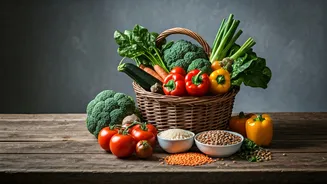
nutritional science. Each serving is packed with plant-based protein, essential for muscle repair and satiety, making it a favourite among fitness enthusiasts and those looking to manage their weight. They are also an excellent source of dietary fibre, which aids digestion and helps maintain stable blood sugar levels. Beyond protein and fibre, these tiny sprouts are rich in essential vitamins and minerals like folate, manganese, magnesium, and vitamin C. In a world increasingly focused on 'superfoods', many are realising we’ve had one in our kitchens all along.
Why Cooked? The Digestibility Factor
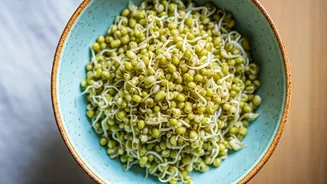
The key to this current trend lies in one word: 'cooked'. While raw sprouts have long been part of salads and chaats, they can be difficult for many people to digest and carry a small risk of bacterial contamination. Lightly cooking the sprouts—whether by steaming, boiling, or stir-frying—changes everything. The cooking process breaks down complex starches, making the sprouts significantly easier on the digestive system and reducing the chances of bloating or discomfort. This simple step makes them accessible to a much wider audience, including those with sensitive stomachs. Furthermore, cooking eliminates harmful bacteria, making them a safer option. This shift from raw to cooked has been a game-changer, turning moong sprouts from a niche health food into a mainstream staple.
The Ultimate Modern Meal-Prep Hack
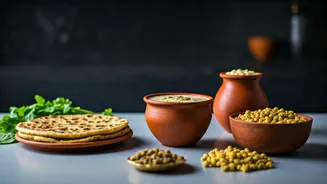
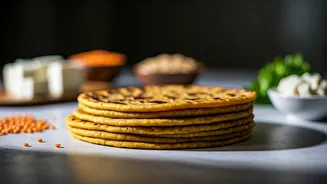
In today’s fast-paced world, convenience is king. Cooked moong sprouts fit perfectly into the modern Indian lifestyle. A large batch can be prepared in under 15 minutes at the beginning of the week and stored in the fridge. From there, the possibilities are endless. They can be tossed into a quick salad for lunch, added to a vegetable stir-fry for dinner, mixed into dosa or cheela batter for a protein-boosted breakfast, or simply seasoned with salt and pepper for a healthy evening snack. This versatility makes them an ideal component for meal prepping, saving time and effort on busy weekdays while ensuring a nutritious meal is always within reach. They are affordable, readily available, and require minimal culinary skill to prepare, ticking all the boxes for a smart, modern food choice.
Riding the Plant-Based Protein Wave
The global movement towards plant-based diets has found a strong foothold in India, and moong sprouts are one of its biggest beneficiaries. As more people actively seek to reduce their meat consumption for health, environmental, or ethical reasons, the demand for high-quality vegetarian protein sources is skyrocketing. Moong sprouts are a perfect, locally-sourced solution. Unlike imported and often expensive protein alternatives like quinoa or certain protein powders, moong is an indigenous, budget-friendly, and sustainable option. This makes them a democratic source of protein, accessible to everyone. Dietitians and nutrition coaches are increasingly recommending them as a clean, whole-food alternative to processed protein supplements, further cementing their place in the modern health-conscious diet.
From Street Chaat to Cafe Salads
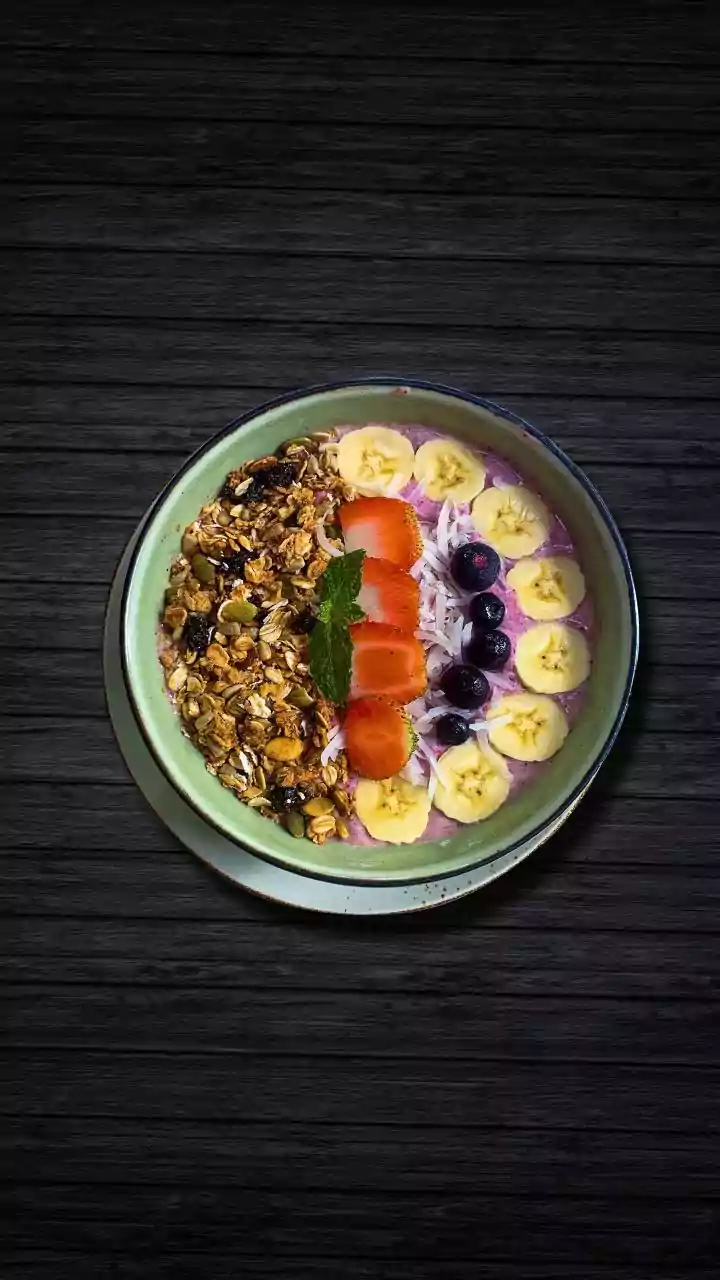
Perhaps the most visible sign of the moong sprout takeover is its journey from the humble street-side chaat stall to the menus of trendy urban cafes. While the classic sprout chaat remains a beloved snack, chefs are now incorporating cooked sprouts in more inventive ways. You’ll find them as the base for hearty, protein-packed 'Buddha bowls', mixed into contemporary salads with gourmet dressings, and even blended into savoury pancakes and patties. This culinary crossover appeal has introduced moong sprouts to a new generation of diners. They add a satisfying texture and a wholesome feel to any dish, aligning perfectly with the modern preference for food that is both delicious and nourishing. Their presence on cafe menus not only reflects the trend but also helps propel it forward, inspiring home cooks to experiment with this versatile ingredient in their own kitchens.