

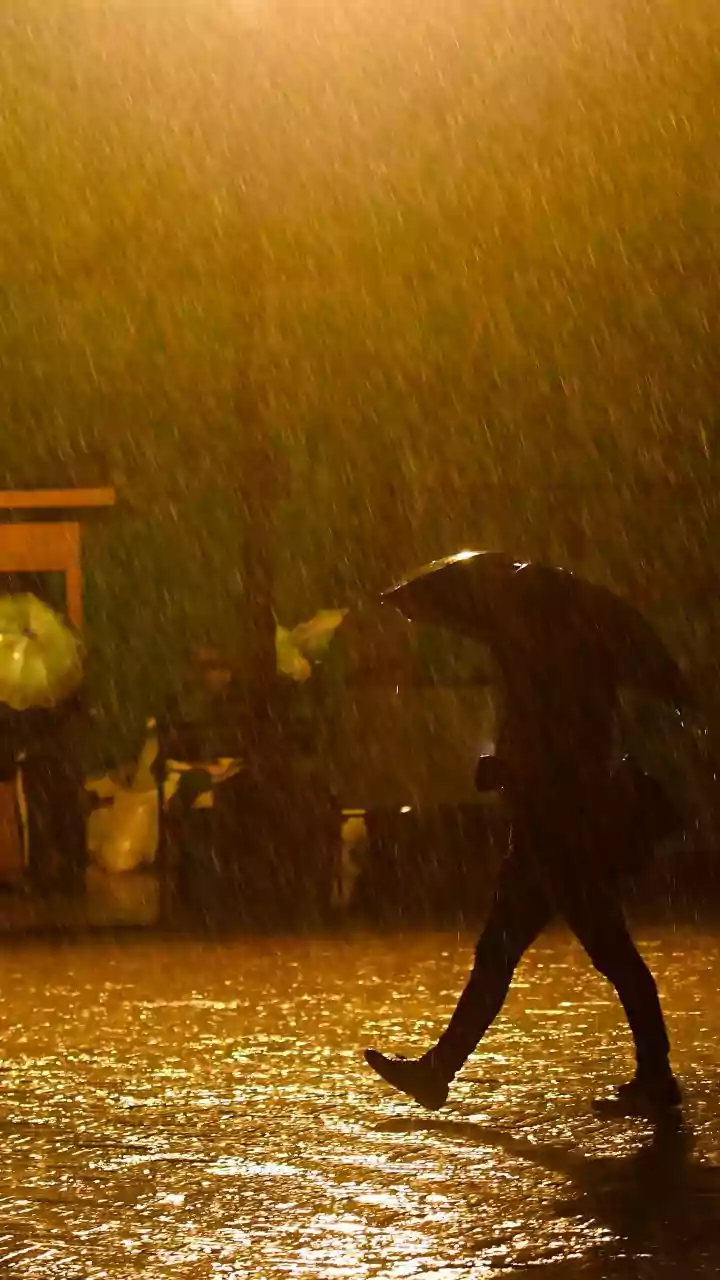







Fortify Your Fortress: Home Prep
Your home is your first line of defence against the monsoon's fury. Start with the roof and walls. Check for cracks or damage where water could seep in and get them sealed by a professional. This is far cheaper than dealing with major leaks and water damage later.
Clear out clogged drains, gutters, and rainwater pipes to prevent overflow and waterlogging around your foundation. Inside, check for any damp spots on walls, which could indicate a slow leak. It's also a crucial time to inspect your electrical systems. Frayed wires and high humidity are a dangerous combination. Have an electrician check for any exposed wires and ensure your home is properly earthed to prevent short circuits. Finally, trim any overgrown tree branches near your house that could fall and damage your property or power lines during a storm.
Prioritise Health and Hygiene
The rainy season often brings a spike in water-borne and vector-borne diseases. Your smartest move is prevention. Ensure your drinking water is safe; boil it or use a reliable water purifier. Be extra cautious with street food, especially items that may have been washed with untreated water or left exposed. At home, prevent mosquitoes from breeding by ensuring no stagnant water collects in coolers, plant pots, or discarded containers. Use mosquito repellents and nets, especially during dawn and dusk. Boost your immunity by including vitamin C-rich foods like citrus fruits and leafy greens in your diet. Keep your home dry and ventilated to prevent the growth of mould and mildew, which can trigger allergies and respiratory issues. A simple mix of vinegar and water is an effective, natural way to clean affected surfaces.
Assemble Your Monsoon Emergency Kit
Power cuts and disruptions are common during heavy rains. A well-stocked emergency kit can be a lifesaver. Your kit should include a powerful torch or emergency lamp, a fully charged power bank for your mobile phone, and a first-aid box with antiseptic lotions, bandages, and common medicines for fever and stomach ailments. Stock up on non-perishable food items like biscuits, instant noodles, and snacks that don't require cooking. Having a few litres of bottled drinking water on hand is also a wise precaution, just in case your regular water supply is disrupted or contaminated. Keep important documents like identity cards and property papers in a waterproof bag. It’s a small step that provides immense peace of mind.
Navigate Your Commute Safely
Getting around during the monsoon can be a daily challenge. If you drive, check your car's tyres, brakes, and wipers. Worn-out tyres are a major hazard on slick, wet roads. Plan your travel with extra time to account for traffic jams and waterlogged streets. It's often safer to wait for the rain to subside than to risk driving through a flooded area, which can stall your engine and cause serious damage. For those using public transport, invest in a sturdy umbrella and waterproof footwear with good grip. Keep a waterproof jacket or poncho in your bag at all times. Protect your phone and wallet by keeping them in a small waterproof pouch or a Ziploc bag. These simple habits can make your daily journey much less stressful.
Safeguard Your Gadgets and Wardrobe
High humidity is the enemy of electronics and clothing. Protect your expensive gadgets like laptops, cameras, and tablets by storing them in dry places. Using silica gel packets in your electronics bags can absorb excess moisture. A surge protector is a must-have investment to shield your devices from voltage fluctuations and lightning strikes during thunderstorms. For your wardrobe, prevent musty smells and fungal growth by placing naphthalene balls or neem leaves in your cupboards. If possible, air out your clothes on sunny days. Avoid packing clothes too tightly to allow for air circulation. A little bit of care ensures your belongings survive the season unscathed.