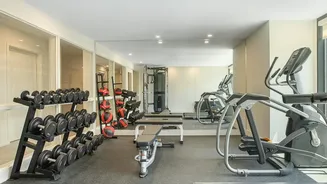





No gym? No problem. Lack of space doesn't have to mean a lack of steps. You can achieve a fantastic, heart-pumping walking workout right in your living room, proving that effective fitness is accessible to everyone, anywhere.
The Undeniable Benefits of Walking Indoors
Walking is a powerhouse of
a workout. It's a low-impact exercise, meaning it's gentle on your joints, making it ideal for beginners, those recovering from injury, or anyone with joint pain. Regular walking boosts cardiovascular health, helps manage weight, lowers blood pressure, and can reduce the risk of type 2 diabetes and heart disease. It also offers significant mental health perks, including reduced stress and improved mood. The best part about an at-home walking routine is its sheer convenience. You can do it anytime, regardless of the weather, without needing special equipment or a pricey membership. It’s a safe, controlled way to get your steps in.
Setting Up Your Small-Space 'Track'
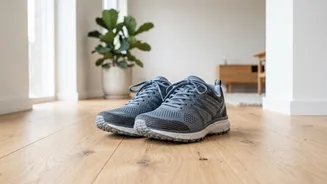
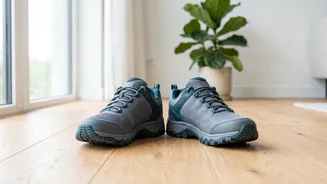
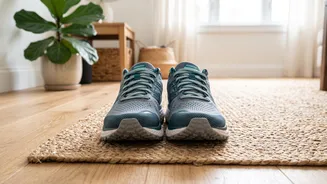
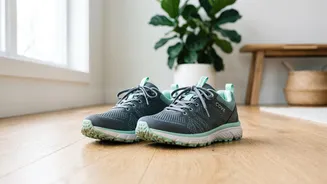
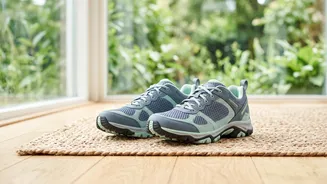
You don't need a sprawling area to have a successful workout. Find a spot in your home where you have enough room to march in place and take one or two steps in each direction (forward, backward, and side-to-side). This could be in front of your television, in a hallway, or even in your bedroom. Ensure the area is clear of clutter or potential trip hazards. All you truly need is a pair of supportive shoes and comfortable, breathable clothing to get started. The focus is on movement, not mileage, so any safe, clear spot will work perfectly as your personal fitness zone.
Mastering the Basic Moves
An indoor walking workout is more than just marching on the spot. By incorporating a variety of simple moves, you can engage different muscle groups and keep your routine interesting. Start with a gentle walk in place for 3-5 minutes to warm up. Then, begin to mix in other movements. Try side-steps (tapping your foot out to the side), hamstring curls (kicking your heel back towards your glutes), and high knees (lifting your knees up towards your chest). You can also incorporate V-steps (stepping forward and wide, then back together, forming a 'V' shape) and simple forward-and-back steps. Focus on maintaining good posture: stand tall with your core engaged.
How to Increase Intensity
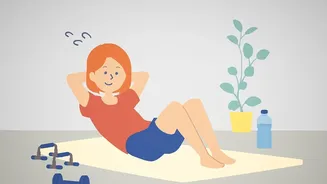
To turn your walk into a more challenging workout, you need to increase the intensity. One of the most effective ways is through intervals: alternate between a minute of fastpaced, highenergy marching and a minute of slower recovery walking. Pumping your arms more vigorously will also raise your heart rate and burn more calories. Another great option is to add light resistance. Holding small hand weights, water bottles, or even canned goods allows you to incorporate simple arm exercises like bicep curls or shoulder presses while you walk. A weighted vest can also make each step more physically demanding. These additions help build upper body strength and boost the overall effectiveness of your workout.
A 20Minute Sample Routine for Beginners
Ready to get started? Try this simple but effective 20minute session. Begin with a 3minute warmup of easy walking in place. For the main workout, follow this pattern: 2 minutes of brisk walking in place, 1 minute of sidesteps (tapping your foot out to the side), hamstring curls (kicking your heel back towards your glutes), and high knees (lifting your knees up towards your chest). Repeat this 5minute circuit three times. To increase the challenge, focus on lifting your knees higher and pumping your arms with purpose. Finish with a 2minute cooldown, slowing your pace gradually, followed by some gentle stretching for your legs and arms. You can find many free guided walking workouts online if you prefer to follow along with an instructor.
Staying Motivated and Consistent
The key to seeing results is consistency. To keep yourself engaged, put on your favourite music playlist, listen to a podcast, or set up your workout in front of the TV. Tracking your progress, whether through a fitness watch or simply noting how long you exercise each day, can also be a powerful motivator. Some people find success by scheduling their walks like any other important appointment. Remember, any movement is better than none. Even a quick 10minute walk during a work break or while dinner is cooking can contribute to your daily fitness goals and overall wellbeing.