
Embrace the Green Season
Conventional travel wisdom suggests steering clear of Himachal Pradesh during the monsoon months of July and August. Concerns about landslides and slippery roads are valid, but they don't tell the whole story. For the discerning traveller, this season
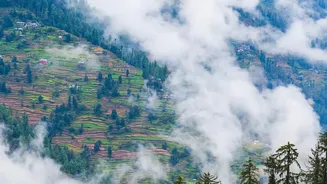
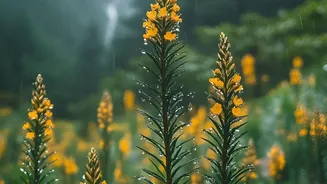
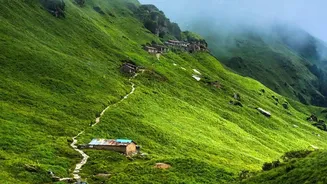
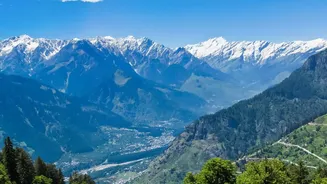
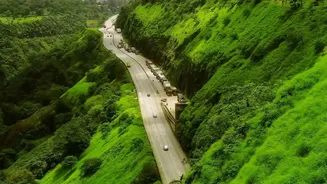
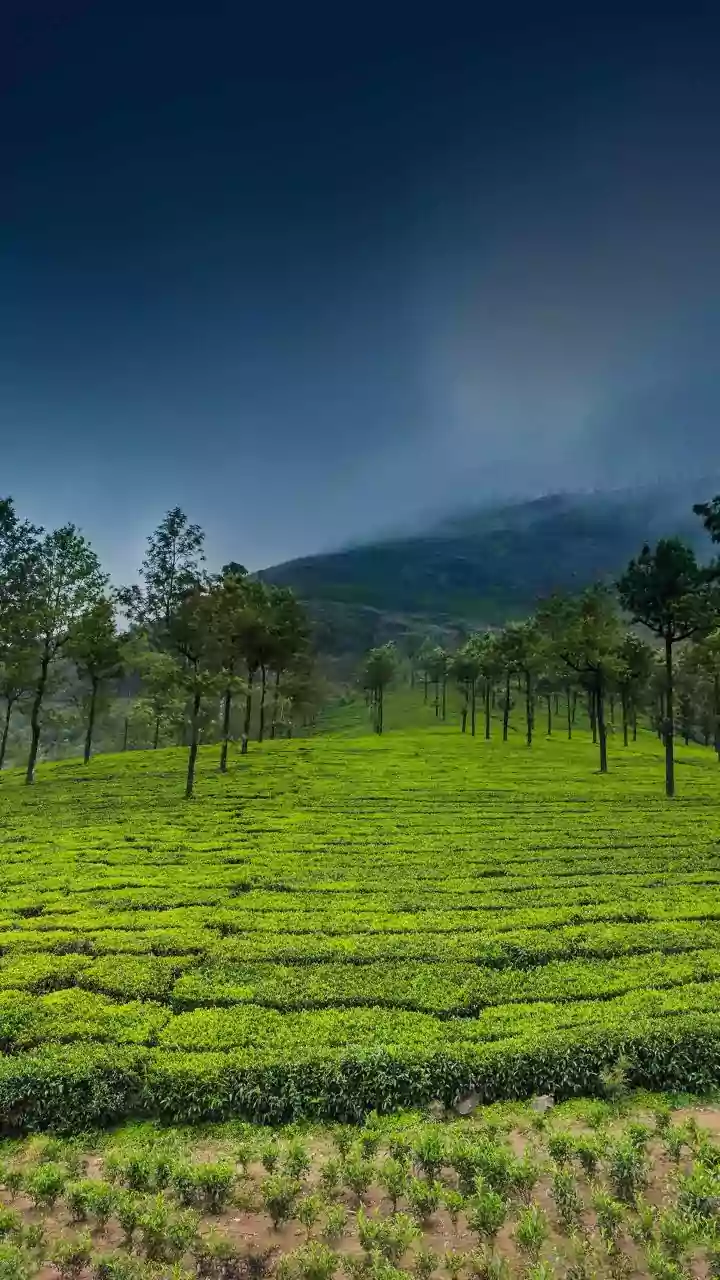
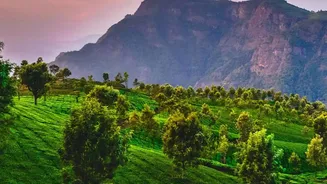
offers a unique reward: solitude. While popular towns like Manali and Shimla can still feel crowded, lesser-known regions like Tirthan Valley and the nearby village of Shoja come alive in a different way. The tourist rush thins out, the landscape turns a vibrant, impossible green, and the air is filled with the scent of wet earth and pine. The monsoon mutes the world, leaving behind the soothing soundtrack of raindrops and the roar of newly awakened waterfalls, offering a peacefulness that summer crowds can't match.
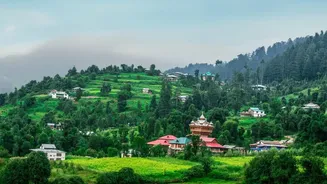
Shoja: A Hamlet in the Clouds
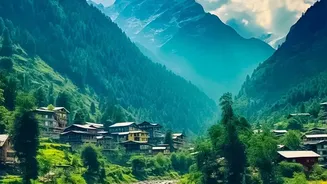
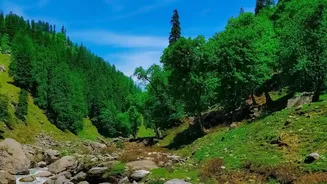
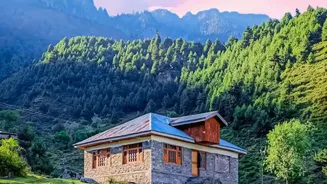
Perched at an altitude of over 2,600 metres, Shoja is a tiny, serene village that truly embodies the spirit of an offbeat retreat. Unlike its more bustling cousin Jibhi, Shoja is for those who seek silence and a slower pace. During the monsoon, the village is often wrapped in a thick blanket of mist, creating a mystical, dream-like atmosphere. The main activity here is simply being: find a cosy homestay with a large window, sip on hot tea, and watch the clouds drift through the deodar forests. For moments of gentle activity, short walks through the forest are possible when the rain subsides. The dense woods, home to rare birds like the Himalayan Monal, feel ancient and alive. Shoja serves as the perfect base for introspection and disconnecting from the noise of daily life.
Tirthan Valley's Riverside Magic
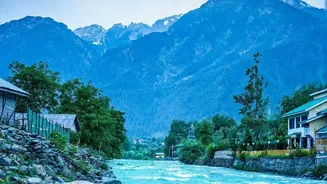
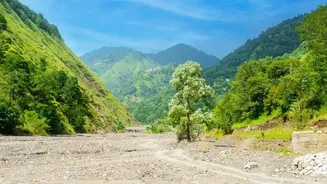
Down in the valley, the Tirthan River, which is gentle in other seasons, becomes a powerful, gushing force during the monsoon. The sound of the river becomes a constant, meditative presence. The valley is the gateway to the Great Himalayan National Park, a UNESCO World Heritage Site. While extensive trekking into the core zone is not advisable during heavy rains, many beautiful and safe walks exist within the ecozone. You can explore charming villages like Gushaini and Nagini, interact with the warm local community, and simply sit by the riverbanks. Trout fishing is a popular, peaceful activity here, and enjoying a freshly caught fish prepared in the local style is an experience in itself. Staying in one of the many riverside homestays offers an immersive experience, where the rhythm of the river dictates the pace of your day.
Monsoon-Friendly Activities
A monsoon trip to Tirthan and Shoja isn't about ticking off a long list of sights. It's about surrendering to a slower rhythm. When the skies are clear, a drive up to Jalori Pass (around 3,120 metres) offers breathtaking views of the mist-filled valleys below. The trek to Serolsar Lake from the pass can be slippery and is best avoided during heavy downpours, but on a day with light rain, the forest trail is magical. However, it's crucial to check local conditions first. Visiting nearby waterfalls, which are at their most spectacular during this season, is another highlight. More than anything, this is a time for indoor pursuits that soothe the soul—reading, writing, enjoying long conversations, and sampling delicious, hearty Himachali food like Siddu.
Practical Tips for a Safe Journey
Travelling to the hills in monsoon requires preparation. While the rewards are immense, safety is paramount. Always check the weather forecast and road conditions before and during your trip; landslides are a real risk. Pack waterproof jackets, trousers, and sturdy shoes with excellent grip. Leeches can be common on forest trails, so leech socks are advisable. It's wise to book accommodations in advance and communicate with your host about local conditions. Opt for flexible travel plans, as delays can happen. Driving at night should be avoided. By taking these sensible precautions, you can safely enjoy the unparalleled beauty and tranquillity that this region offers during the rains.