





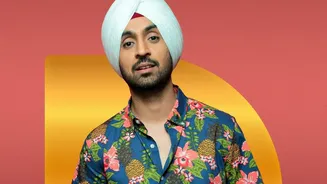
A Punjabi Icon on the World's Biggest Stage
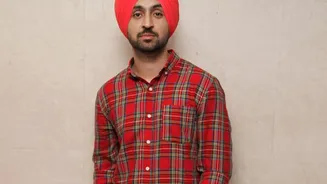
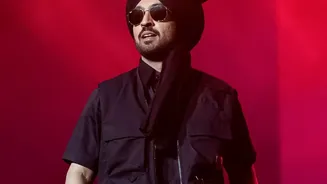
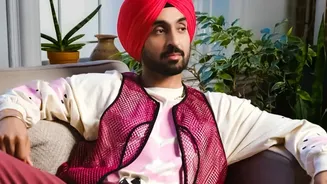
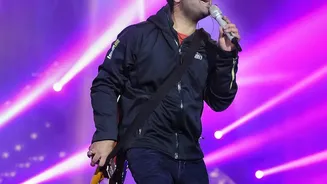
On September 12, 2026, Diljit Dosanjh made history as the first Punjabi artist to headline the iconic Wembley Stadium, a venue that has hosted legends from Queen to Michael Jackson. The achievement was the culmination of a journey that has seen Dosanjh transition
from a beloved regional star to a global phenomenon, making waves at Coachella and on American late-night television. Yet, what made the Wembley show so significant was its unwavering cultural authenticity. Tens of thousands of fans gathered not to see an artist who had altered his sound for a Western audience, but to celebrate a performer performing almost entirely in Punjabi, staying true to his roots. His now-famous declaration, "Punjabi Aa Gaye Wembley Oye" (Punjabis have arrived at Wembley), echoed through the stadium, transforming from a catchy phrase into a powerful statement of arrival on the world stage.
A Musical Bridge to the Past
At the core of the night's success was a masterful blend of the contemporary and the classic. Dosanjh used the global platform to pay homage to the titans of Punjabi and South Asian music, creating a bridge to the past for a new generation. One of the most talked-about moments was his emotional tribute to the legendary qawwali maestro Ustad Nusrat Fateh Ali Khan. His performance of the celebrated composition “Sanson Ki Mala” moved the massive crowd, who illuminated the stadium with their phone lights in a striking display of unity and reverence. In addition, he honoured the legacy of Amar Singh Chamkila, another giant of Punjabi folk music, connecting his modern sound to the foundational artists who paved the way. This was not just a concert; it was a history lesson delivered with the energy of a blockbuster show, ensuring the genre's legends were remembered on one of music's grandest stages.
An Audience Without Borders
The Wembley crowd was a testament to the truly global appeal of Punjabi music today. The audience was a vibrant mix of cultures and nationalities, transcending the boundaries of the diaspora. Fans from Pakistan, Afghanistan, and Bangladesh were seen celebrating alongside the Indian and British Punjabi communities. In a unique display of cultural exchange, a “turban camp” was set up at the venue, allowing attendees of any background to have a turban tied and participate fully in the celebration. This inclusive atmosphere demonstrated that you don't need to understand the language to feel the music's 'vibe,' a philosophy Dosanjh himself championed during his Coachella debut. The event showcased the power of music to connect communities, with many Pakistani fans online calling it a historic moment for Punjabi culture as a whole.
More Than Music: A Cultural Proclamation
For many in attendance, especially British Punjabis, the concert felt like a powerful moment of recognition for a culture that has long been a part of modern Britain but often underrepresented on its largest platforms. Diljit Dosanjh has become a symbol of a new kind of global stardom—one where cultural identity is not shed for mainstream acceptance but is instead the very source of its power. By proudly wearing his turban and traditional attire while collaborating with international stars like Sia and Ed Sheeran, he has redefined what it means to be a global artist from India. The show, which ended with a powerful performance of “Main Hoon Punjab” as a Punjabi flag waved against a backdrop of fireworks, was a proud proclamation of identity.