








Your Gut Has a Clock, Too
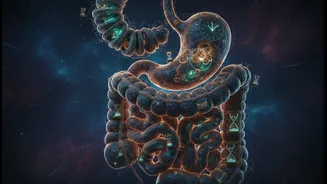
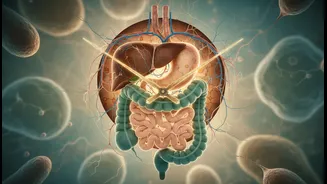
You’re likely familiar with the body’s main 24-hour clock, or circadian rhythm, which governs sleep and wakefulness. But did you know that nearly every organ, including your gut, has its own internal clock? This digestive clock is programmed to be most
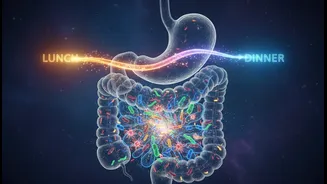
active during the day. Functions like enzyme secretion, acid production, and the muscular contractions that move food along are at their peak during daylight hours. In the evening, as your body prepares for rest, your digestive system also begins to wind down. Disrupting this natural rhythm by eating at irregular times or late into the night can lead to what some researchers call “gut jet lag,” a state of desynchronization that contributes to digestive distress.
What the Latest Science Reveals
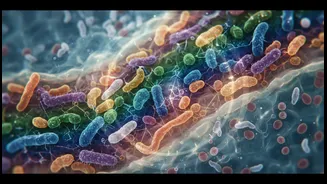
Recent scientific findings are adding weight to the old advice of not eating too late. A study highlighted at Digestive Disease Week 2026 found that late-night eating, especially when combined with stress, can deliver a “double hit” to the gut. Researchers discovered that individuals under high stress who consumed a significant portion of their daily calories late at night were much more likely to experience issues like constipation and diarrhea. This combination was also linked to lower gut microbiome diversity, which is a key indicator of gut health. The concept, known as chrononutrition, suggests that aligning our meals with our body's internal clock is a powerful, non-pharmacological way to support metabolic health and gut function.
The Problem with Late-Night Meals
Eating a large meal close to bedtime forces your digestive system to work overtime when it should be resting. This can lead to a host of uncomfortable symptoms, including acid reflux, heartburn, and bloating, which can disrupt sleep. Furthermore, your body's ability to manage blood sugar is less efficient in the evening. The same meal eaten at night can cause a higher blood sugar spike compared to when it's eaten in the morning, as insulin sensitivity is naturally higher earlier in the day. Over time, this pattern can contribute to metabolic issues. The key is to allow a sufficient fasting period overnight. This gives your gut time to perform essential housekeeping functions, like the migrating motor complex (MMC), which sweeps undigested debris and bacteria through the intestines. Constant eating, especially late at night, interrupts this crucial cleaning process.
How to Sync Your Meals with Your Body Clock
Putting chrononutrition into practice doesn’t require a perfect, rigid schedule, but rather a consistent framework. The goal is to front-load your calories earlier in the day when your digestion is most efficient. A popular approach is time-restricted eating (TRE), where you consume all your meals within an 8 to 12-hour window. For most people, this means starting in the morning and finishing in the early evening. Dietitians often recommend finishing your last big meal between 5 and 7 p.m., or at least two to three hours before you go to bed. This allows digestion to get well underway before you lie down. A good rule of thumb is to eat like a king for breakfast, a prince for lunch, and a pauper for dinner.
More Than Just Timing
While meal timing is a powerful tool, it works best as part of a broader healthy lifestyle. It’s not a magic bullet that can undo the effects of a poor diet. The quality of your food still matters immensely. Focusing on a diet rich in fibre from whole grains, fruits, and vegetables is crucial for feeding the beneficial bacteria in your gut. Staying hydrated, managing stress, and getting regular exercise also play significant roles in maintaining digestive health. Think of meal timing as a way to amplify the benefits of the other healthy choices you're making, helping your body work with you, not against you.