



The Race Against Blight
In the agricultural heartlands of Punjab and Maharashtra, the threat of crop disease is a constant source of anxiety. Pests and diseases are responsible for an estimated 15-25% of crop losses in India annually. For generations, identifying an ailment
in a field of cotton or wheat has been a process of educated guesswork. A farmer might notice yellowing leaves or unusual spots and rely on experience to determine the cause. Is it a nutrient deficiency, a fungal infection, or a bacterial blight? Choosing the wrong treatment can be a costly mistake, leading to wasted expenditure on ineffective pesticides and, in the worst cases, the loss of an entire harvest. This uncertainty has significant financial and emotional consequences for India’s farming communities.
A Diagnosis in Your Pocket
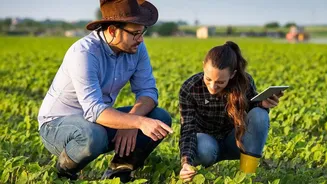
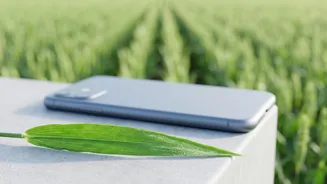
Artificial intelligence is transforming this uncertain reality into a science of precision. The "smartphone sensors" helping farmers are, in fact, the high-resolution cameras built into everyday phones. Using mobile apps, a farmer can now take a clear photograph of an affected leaf or stem. This image is then analysed in seconds by an AI model that has been trained on vast databases containing hundreds of thousands of images of plant diseases. Startups and tech platforms like Plantix, which has a massive user base in India, and state-supported initiatives use this technology to provide an instant diagnosis. The app identifies the specific disease with a high degree of accuracy and often provides immediate, actionable advice on the best course of treatment, all delivered in local languages.
From Guesswork to Precision in the Field
The impact on the ground is profound. By catching diseases at the earliest stage, farmers can prevent them from spreading across an entire field. One study found that using these AI tools reduced the average time to a treatment decision from over three days to less than one. For a cotton farmer in Maharashtra's Yavatmal district, an app can mean the difference between a small, contained leaf spot and a field-wide infestation. This shift from broad, preventative spraying to targeted, need-based treatment has been shown to reduce pesticide expenditure by an average of 23%. This not only saves farmers money but also benefits the environment by reducing chemical runoff. Ultimately, healthier crops lead to better yields, more stable incomes, and greater food security for the entire nation.
Overcoming Hurdles to Adoption
Despite the clear benefits, the widespread adoption of this technology is not without its challenges. A significant number of disease detection apps still require a stable internet connection to function, which can be a major hurdle in remote rural areas. To address this, some developers are now engineering apps that run entirely offline, processing the images directly on the device. Digital literacy also remains a barrier, highlighting the need for on-ground training and support from AgriTech companies and government extension programs. Startups like AgroStar and DeHaat, which serve millions of farmers in states including Maharashtra, are bridging this gap by combining digital advisory services with a physical network of support centres.