







A Shift in Consumer Loyalty
For decades, the Indian beauty market was dominated by international names, often seen as the benchmark for quality. [16] However, a significant transformation is taking place. A striking reversal in consumer preference now shows that 36% of Indian consumers
prefer local beauty brands, compared to just 23% who favor imported ones. [2] This isn't just about patriotism, though initiatives like 'Make in India' have boosted visibility; it's a practical and emotional evolution. [15] Indian consumers are actively seeking value, quality, and, most importantly, relevance—areas where agile domestic brands are proving they have the upper hand. [2]
Formulated for India, by India
One of the biggest advantages for local brands is their deep understanding of Indian needs. [17] Many founders started their companies out of personal frustration with the lack of products tailored to Indian skin tones, types, and climatic conditions. [3, 17] International 'one-size-fits-all' products often fail to address the challenges of Indian weather, from intense humidity to high pollution levels. [17] Homegrown brands are formulating products like lightweight, breathable foundations and climate-adaptive skincare that resonate with consumers. [2, 17] This focus on specificity is a game-changer, with 39% of consumers feeling that local brands best match their skin tone. [9]
The Direct-to-Consumer Digital Boom
The rise of local beauty is inseparable from the power of the internet. The Direct-to-Consumer (D2C) model has allowed Indian brands to bypass traditional retail gatekeepers and build direct relationships with their customers. [13] Platforms like Instagram and YouTube are not just marketing tools; they are community-building spaces where brands can educate consumers, gather immediate feedback, and create viral buzz through authentic reviews. [3] This digital-first approach, combined with the increasing reach of e-commerce into Tier-II and Tier-III cities, has democratized the market, allowing brands like Mamaearth, Sugar Cosmetics, and Wow Skin Science to become household names. [21, 22]
A Blend of Tradition and Modern Science
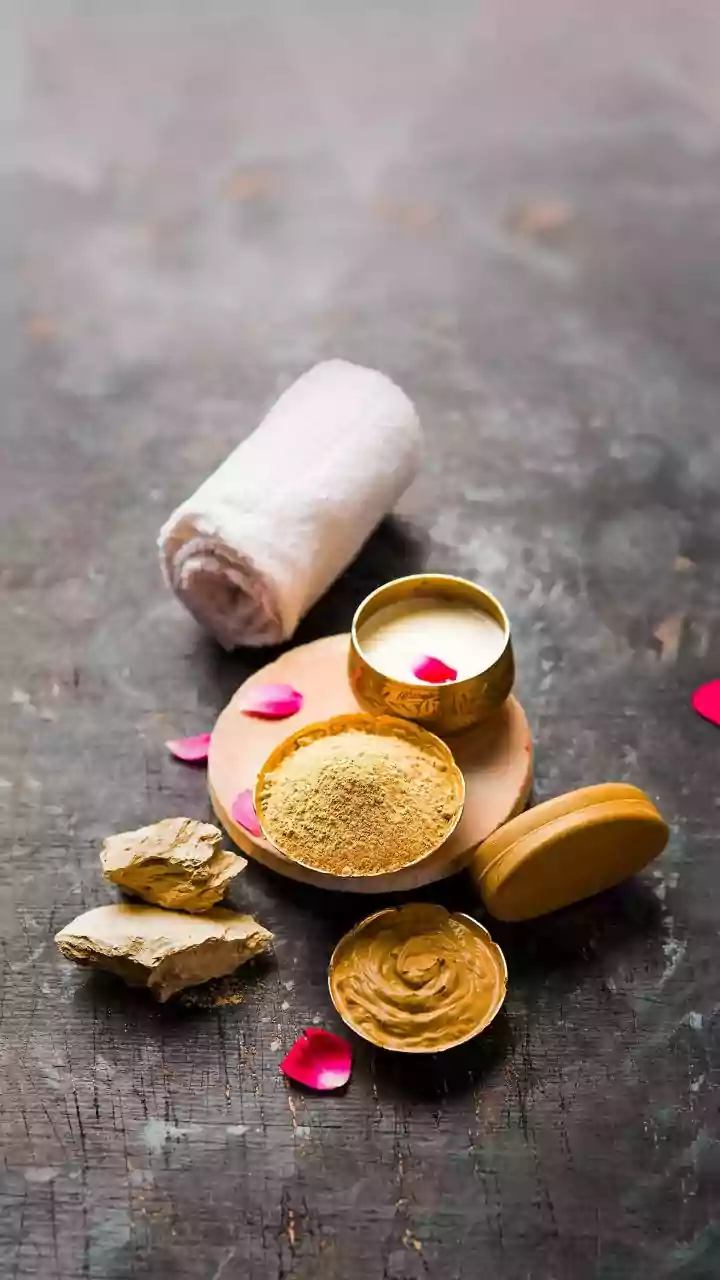
Indian brands are masterfully combining the country's rich heritage of natural ingredients with modern scientific innovation. [3] Consumers are increasingly drawn to 'clean beauty' formulations that are toxin-free, vegan, and cruelty-free. [21, 22] Brands are leveraging ancient Ayurvedic wisdom and ingredients like turmeric and aloe vera, but presenting them in sophisticated, scientifically-backed formulas. [20, 21] This blend of cultural authenticity and clinical efficacy creates a powerful proposition, meeting the modern Indian consumer's desire for products that are both effective and safe. [25]
How Global Giants Are Responding
International brands are not standing still. They recognize India as a strategic hub for growth and innovation, not just a consumer market. [5, 6] In response to the local competition, many are adapting. Some are acquiring or investing in successful Indian D2C startups, like L'Oréal's reported acquisition of Innovist and Unilever's investment in Clayco. [6] Others, like Shiseido and Estée Lauder, are exploring local manufacturing to reduce costs and better cater to the market. [23] The pressure is on for global brands to innovate and prove their value, with many now understanding that simply being 'imported' is no longer enough to guarantee success. [9, 16]