








Your Body Runs on a Schedule
Our bodies operate on an internal 24-hour clock known as the circadian rhythm. This master clock, located in the brain, coordinates various bodily functions, from our sleep-wake cycle to hormone release and metabolism. It ensures that our systems perform
tasks at the most efficient time of day. Digestion is no exception. Our digestive tract has its own schedule, with the secretion of digestive enzymes and gut motility—the movement of food through our system—peaking during the day and slowing down at night. This means our body is naturally better prepared to process a large meal during our active hours. This emerging field of science is called chrononutrition, and it studies how the timing of our meals interacts with our internal clocks.
The Gut Microbiome Has a Rhythm Too
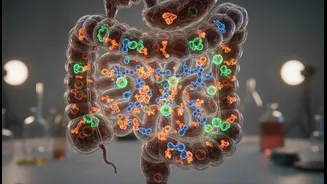
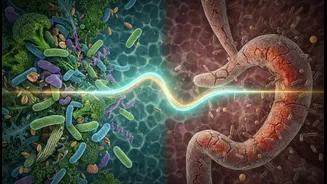
Living within our digestive system are trillions of microorganisms, collectively known as the gut microbiome. These tiny residents play a huge role in our health, influencing everything from digestion and immunity to mood. Just like the rest of our body, this microbial ecosystem also follows a daily rhythm. At night, when we're fasting during sleep, the gut enters a repair and maintenance phase. During this time, beneficial bacteria work to repair the gut lining and perform other crucial housekeeping tasks. Eating a large, heavy meal late at night can interrupt this process. Instead of resting and repairing, the gut has to switch back into active digestion mode, which can disrupt the natural balance of the microbiome.
The Problem with Late, Heavy Dinners
When we eat a substantial meal close to bedtime, we are asking our digestive system to work overtime when it's supposed to be winding down. This can lead to common issues like bloating, acid reflux, and general discomfort that may interfere with sleep. Beyond discomfort, research suggests late-night eating can have more significant consequences. A recent study presented at Digestive Disease Week 2026 found that individuals under high stress who ate a significant portion of their daily calories after 9 p.m. were much more likely to experience digestive issues like constipation or diarrhea. The combination of stress and late eating appeared to deliver a 'double hit' to the gut, even reducing the diversity of the gut microbiome.
Making Lunch the Main Event
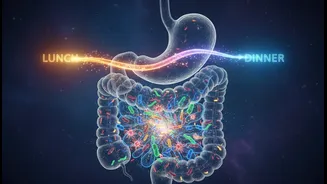
Shifting your largest meal to lunchtime aligns better with your body's natural metabolic peak. During the day, our insulin sensitivity is generally higher, meaning our body can manage blood sugar more effectively. Studies have shown that people who eat their main meal at lunch may have more success with weight management compared to those who eat their largest meal at dinner, even when total daily calorie intake is the same. A well-balanced, substantial lunch provides the energy needed to power through the afternoon, potentially reducing the dreaded afternoon slump and cravings for sugary snacks. A lighter dinner is then easier for the body to digest before sleep, allowing the gut to perform its overnight restorative functions without interruption.
How to Make the Switch
The idea isn't to starve yourself in the evening, but to recalibrate the balance of your meals. A lighter dinner doesn't have to mean a tiny, unsatisfying one. Focus on meals that are nourishing but not overly heavy, such as a hearty soup, a dal with steamed vegetables, or grilled chicken or fish with a side salad. The goal is to avoid very large portions of rich, fatty, or highly processed foods late at night. For lunch, embrace a more substantial plate. Include a good source of protein, complex carbohydrates like whole grains or legumes, and plenty of vegetables. This will provide sustained energy and keep you full longer. It’s about being mindful of your body’s natural rhythms, not following a rigid diet.