



The Unsung Hero of the Indian Kitchen
For generations, dalia, or cracked wheat, has held a peculiar position in the Indian pantry. It’s often the first thing we think of for someone recovering from an illness or as a gentle meal for babies. While it excels in these roles due to its easy digestibility,
this reputation has unfairly typecast it as bland or medicinal. It’s time for a rebrand. Dalia is not just 'sick person food'; it's a nutritional powerhouse waiting to be rediscovered as a modern wellness staple. Made from whole wheat kernels that are cleaned and then broken down, it retains the husk and bran, making it a fantastic source of complex carbohydrates, protein, and dietary fibre.
Why It’s Comfort Without Compromise
The 'guilt' associated with comfort food usually stems from high calories, refined carbs, and unhealthy fats found in dishes like cheesy pasta or fried snacks. Dalia flips this script. Its high fibre content promotes a feeling of fullness, which helps in managing weight and preventing overeating. Unlike refined grains that cause a rapid spike and crash in blood sugar, dalia has a low glycemic index. This means it releases energy slowly and steadily, keeping you energised for longer without the afternoon slump. It's also rich in B-vitamins and minerals like magnesium and iron. So, when you reach for a bowl of dalia, you're not just soothing your soul; you're actively nourishing your body.
The Secret to Unlocking Creaminess
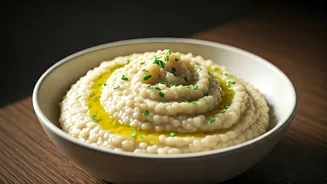
The key to transforming dalia from a watery gruel into a decadent, creamy delight lies in technique and a few simple additions. First, always lightly roast the dry dalia in a teaspoon of ghee or oil before cooking. This step is crucial; it imparts a wonderful nutty aroma and prevents the grains from becoming sticky. Second, slow cooking is your best friend. Simmer it gently on low heat, allowing the grains to soften completely and release their starches. For a naturally creamy texture without heavy cream, consider adding a splash of milk—dairy or a plant-based alternative like almond or oat milk—towards the end of the cooking process. Another trick is to stir in a tablespoon of plain yogurt after taking it off the heat for a tangy, rich finish.
Sweet or Savoury: A Bowl for Every Mood
Dalia’s versatility is its greatest strength. It can be adapted to satisfy any craving, at any time of the day.
For a savoury, lunch-worthy meal, treat it like a risotto. Sauté chopped onions, ginger, and garlic, then add finely diced vegetables like carrots, peas, and beans. Temper with classic Indian spices like cumin seeds, turmeric, and a pinch of garam masala. Cook the roasted dalia with the vegetables for a hearty one-pot meal that’s deeply satisfying.
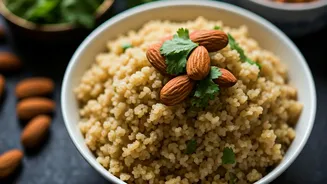
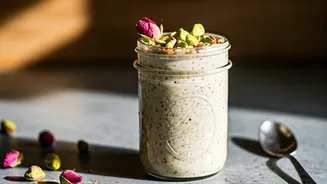
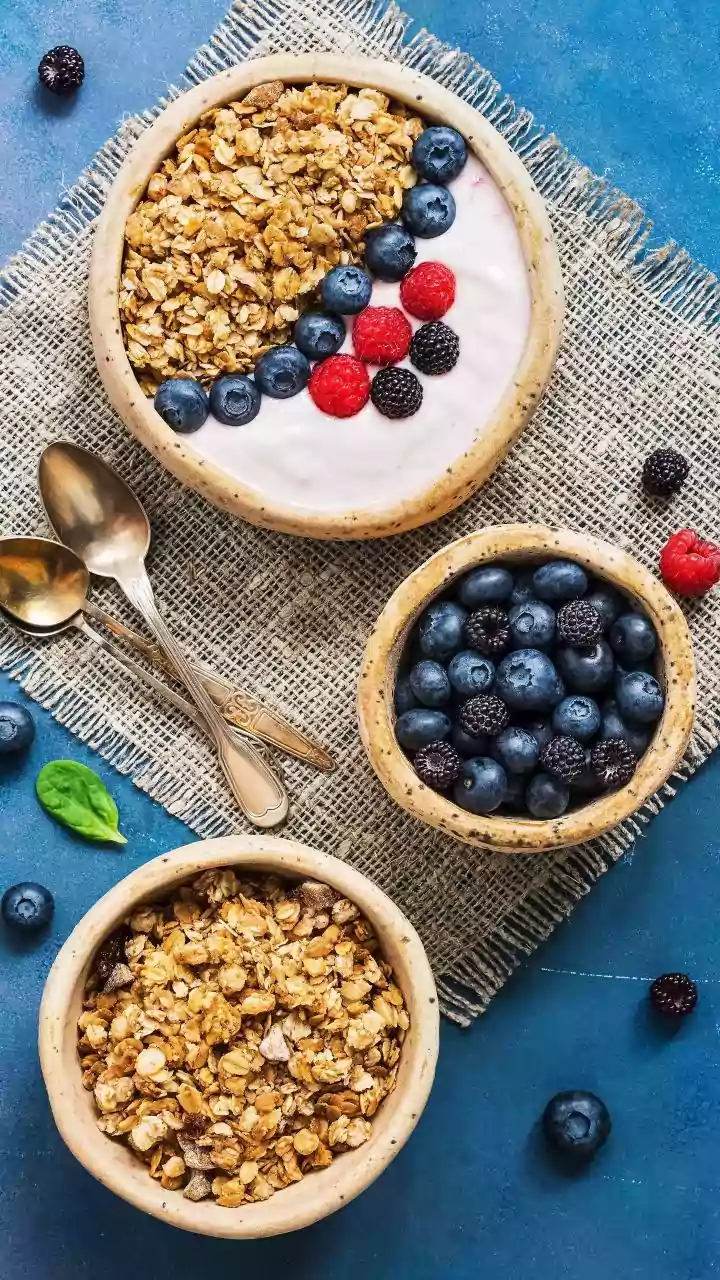
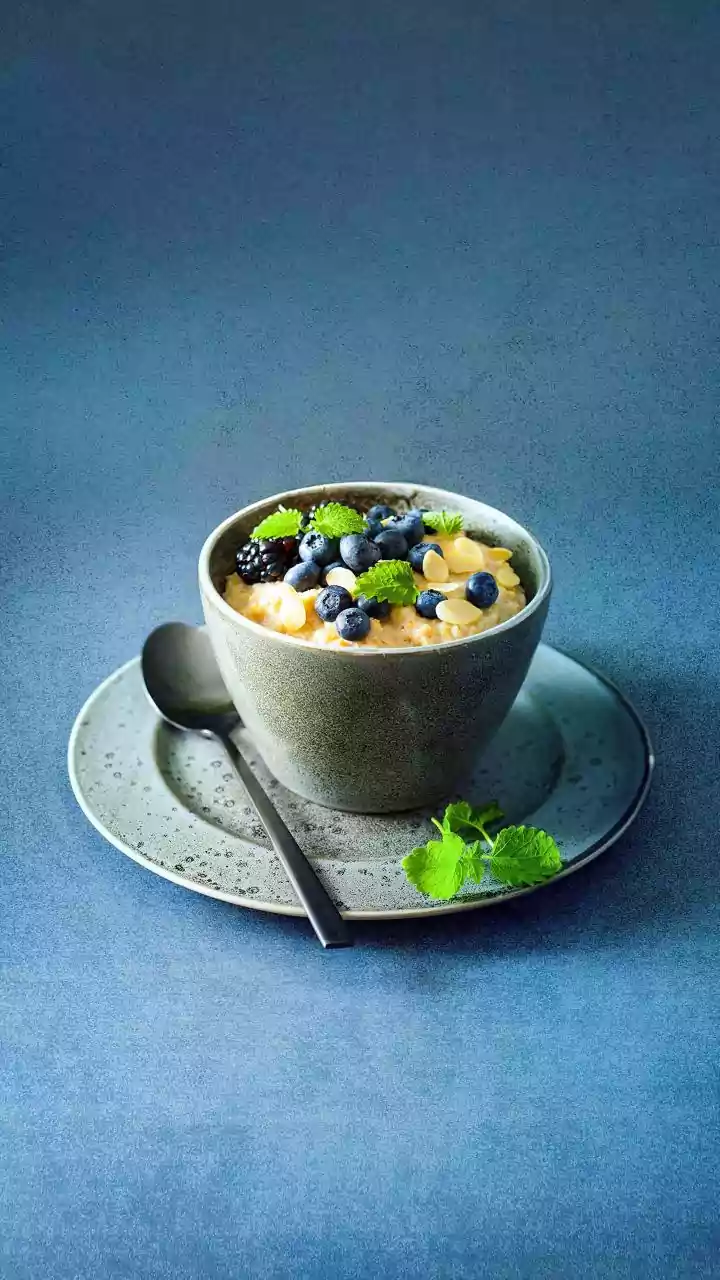
For a sweet, breakfast-style porridge, cook the dalia in a mix of water and milk. Sweeten it naturally with jaggery or a drizzle of honey. Elevate it with a pinch of cardamom powder, a handful of chopped nuts like almonds and walnuts for crunch, and some fresh fruit on top. It’s a breakfast that feels like a dessert but works for you, not against you.
Think Beyond the Bowl
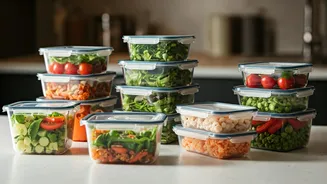
Once you’ve mastered creamy dalia, don’t feel restricted to just a porridge-style preparation. Its uses are limited only by your imagination. A thicker, savoury dalia can be cooled and used as a base for patties or tikkis. You can use pre-cooked dalia as a substitute for rice or quinoa in salads, adding a wholesome, chewy texture. It can be stirred into soups to make them heartier or used to create a savoury upma by tempering it with mustard seeds, curry leaves, and onions. By embracing its potential, dalia can become a flexible and reliable component of your weekly meal planning.