





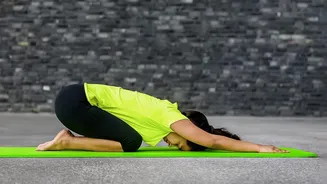

The pressure on teenagers to excel academically often means long hours spent sitting at a desk. This sedentary routine can lead to significant physical fatigue and stiffness. Simple yoga stretches offer a powerful, accessible solution.
The Toll of the Study Grind
Between school,
homework, and preparing for competitive exams, many teenagers spend the majority of their day sitting down. While this dedication is commendable, a sedentary lifestyle can have significant physical consequences. Staying in one position for prolonged periods can lead to poor posture, muscle tightness in the neck, shoulders, and back, and reduced blood circulation. This combination doesn't just cause aches and pains; it contributes to a pervasive feeling of physical fatigue that can make concentrating even harder. When your body is tired and stiff, your brain feels it too, sapping energy that is crucial for effective learning and memory retention.
Why Yoga Is the Perfect Study Break
Yoga is much more than just a form of exercise; it’s a practice that connects the mind and body, making it an ideal antidote to study-induced fatigue. By incorporating gentle stretches and mindful breathing, yoga helps counteract the negative effects of sitting. It increases blood flow, delivering fresh oxygen to tired muscles and the brain, which can provide an immediate energy boost. Regular practice improves flexibility, strength, and posture, helping to prevent the long-term aches associated with a desk-bound routine. Furthermore, the mindfulness aspect of yoga can calm an anxious mind, reduce stress, and sharpen focus, making study sessions more productive.
Easy Stretch 1: Seated Spinal Twist
This stretch is perfect for relieving tension in your spine and improving posture without even leaving your chair. How to do it: Sit tall with your feet flat on the floor. Inhale to lengthen your spine. As you exhale, gently twist your torso to the right, placing your left hand on your right thigh and your right hand on the back or arm of the chair for support. Hold for 3-5 deep breaths, feeling the stretch through your back. Return to the center and repeat on the left side. This movement helps stimulate circulation and can alleviate back pain caused by slouching.
Easy Stretch 2: Seated Pigeon Pose
Long hours of sitting can make your hips and glutes extremely tight. The Seated Pigeon Pose targets these areas effectively. How to do it: While sitting, lift your right ankle and place it across your left thigh, keeping your right foot flexed to protect the knee. You should feel a gentle stretch in your right glute and hip. To deepen the stretch, you can lean forward slightly while keeping your spine straight. Hold for 3-5 breaths before slowly releasing and switching to the other side. This pose is excellent for releasing deep-seated tension in the lower body.
Easy Stretch 3: Neck and Shoulder Release
We often hold a lot of stress in our neck and shoulders, especially when hunched over books or a screen. This simple stretch provides immediate relief. How to do it: Sit tall and gently drop your right ear toward your right shoulder. You can place your right hand on your head to add very gentle pressure, but don't pull. Hold for 3-5 breaths, then repeat on the left side. Afterward, interlace your fingers and press your palms away from you and then overhead to stretch your shoulders and chest. This helps to release tightness and prevent tension headaches.
Easy Stretch 4: Wrist and Finger Stretch
Constant typing and writing can lead to strain in the hands and wrists. This stretch is crucial for preventing discomfort. How to do it: Extend your right arm in front of you with your palm facing down. Use your left hand to gently press down on the back of your right hand, feeling a stretch in your wrist and forearm. Hold for 3-5 breaths. Then, flip your hand so the palm faces up and gently pull your fingers back toward your body. Repeat on the other side. This simple move can help prevent repetitive strain issues like carpal tunnel syndrome.
Building a Healthy Habit
The key to reaping the benefits of yoga is consistency. You don't need to do a full hour-long class; incorporating these short, 5-to-10-minute stretch breaks throughout your study sessions can be even more effective. Set a timer to remind yourself to get up and stretch every 45-60 minutes. Think of it as a 'reset' button for both your body and your mind. By making these small movements a regular part of your routine, you are investing in your physical well-being and enhancing your ability to learn.