



A New Engine for a Greener India
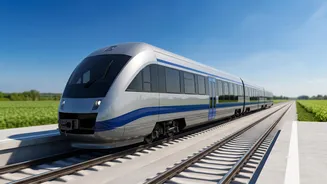
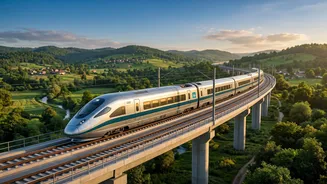
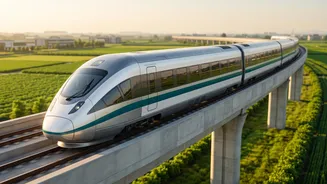
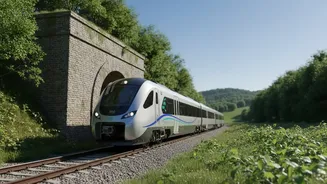
In a significant move towards sustainable transport, India has successfully begun testing its first hydrogen-powered train. The pilot project is currently running on the 89-kilometre Jind-Sonipat section in Haryana. Unlike conventional trains that run on diesel
or draw power from overhead electric lines, this new-age train generates its own electricity onboard. It’s essentially an electric train with its own portable power plant, one that promises a journey free of harmful emissions. This initiative is a cornerstone of Indian Railways’ ambitious plan to become a net-zero carbon emitter by 2030, a crucial target for a network that is the fourth-largest in the world and a key part of the national strategy to combat climate change.
How Do Hydrogen Trains Work?
The technology at the heart of the hydrogen train is the fuel cell. The train carries compressed hydrogen gas in high-pressure cylinders. Inside a Proton Exchange Membrane (PEM) fuel cell, this hydrogen is combined with oxygen drawn from the surrounding air. This electrochemical reaction, not combustion, generates electricity to power the train's motors. The only direct by-products are water vapour and heat, making it a zero-emission alternative at the point of use. To manage fluctuating power demands, such as during acceleration, the fuel cells work in tandem with batteries that store excess energy and provide an extra boost when needed. The current ten-coach train is a retrofitted Diesel Electric Multiple Unit (DEMU), where the old diesel engines have been replaced with this advanced hydrogen-electric propulsion system.
The 'Hydrogen for Heritage' Vision
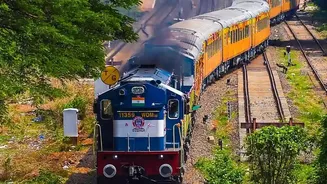
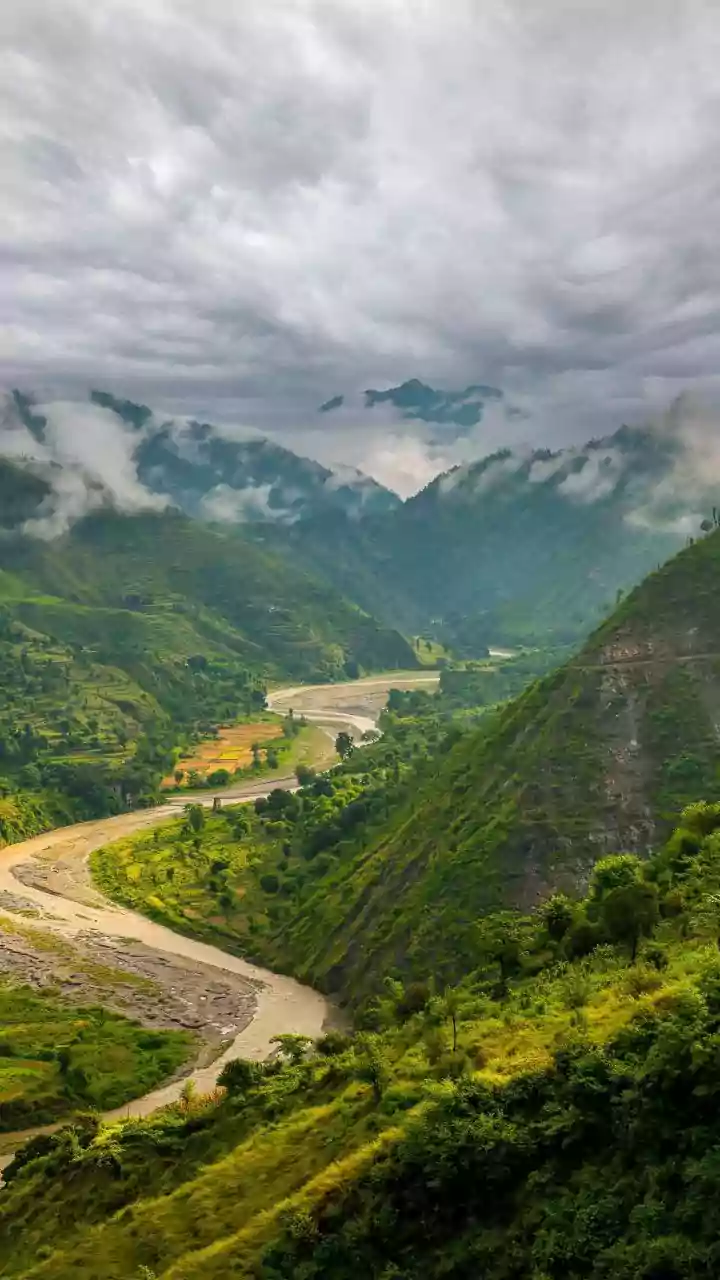
While the initial tests are on a regular passenger route, the larger vision is dubbed ‘Hydrogen for Heritage’. The plan involves deploying these eco-friendly trains on India’s iconic and ecologically sensitive narrow-gauge heritage routes. Lines like the Kalka-Shimla, Darjeeling Himalayan, and Nilgiri Mountain Railways, which currently rely on diesel engines, are prime candidates. Using hydrogen trains here would preserve the scenic beauty of these routes by eliminating both air and noise pollution, turning them into completely 'green' corridors. The experience gained from the Jind-Sonipat project will be vital for adapting the technology for these challenging, high-gradient mountain railways.
The Roadblocks: Cost and Infrastructure
Despite the immense promise, the path to a hydrogen-powered rail network is filled with challenges. The primary hurdle is cost. Green hydrogen, which is produced using renewable energy, remains significantly more expensive than diesel or electricity. Furthermore, a whole new ecosystem of infrastructure is required, including hydrogen production plants, specialised storage facilities, and refuelling stations. Indian Railways has already built a dedicated hydrogen storage and refuelling facility at Jind to support the pilot project. Safety is another critical aspect, as hydrogen is highly flammable and requires robust, multi-layered safety systems like leak detectors and automatic shut-offs, which have been integrated into the train's design.
India's Place in the Global Race
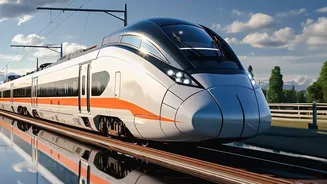
With these tests, India joins a select group of nations exploring hydrogen rail technology, including Germany, which was the first to launch commercial hydrogen trains, along with China, Japan, and France. Most global projects, however, involve smaller trains for regional services. The successful speed trials, where the train reached 120 kmph, and plans to operate it at 110 kmph, demonstrate India's commitment to developing a robust and scalable solution. While widespread adoption may still be years away and likely complementary to the ongoing electrification of main lines, this project signals India's intent to be a leader, not a follower, in the global transition to sustainable mobility.