





The Sacred Plate: Meals for Shravan Fasting
Observing fasts, or 'vrat', is a cornerstone of Shravan, especially on Mondays (Somwar). The diet during this period is Sattvic, meaning it's pure, light, and easy to digest, which aligns with Ayurvedic principles for the monsoon season when digestion
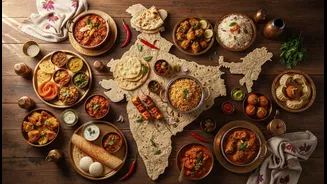
is weaker. Foods to embrace include fruits, dairy products like milk and yogurt, and various alternatives to whole grains. Sabudana (tapioca pearls), kuttu ka atta (buckwheat flour), and samak rice are popular choices for making dishes like khichdi and puris. Potatoes, sweet potatoes, and bottle gourd are common vegetables. For seasoning, sendha namak (rock salt) replaces regular table salt. Foods to strictly avoid are non-vegetarian items, including eggs, as well as onions and garlic, which are considered Tamasic or heat-inducing. Grains like wheat and rice, most lentils, and certain spices such as turmeric and garam masala are also typically excluded.
Divine Offerings: Auspicious Flowers and Leaves
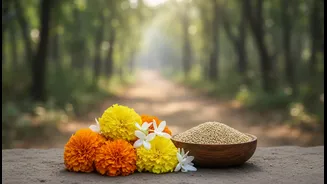
Puja rituals for Lord Shiva involve specific offerings, and flowers play a significant role. Lord Shiva is believed to be easily pleased ('Ashutosh'), and even simple offerings made with faith are accepted. The most important offering is the Bel Patra or Bilva leaf, which is considered Lord Shiva's favourite. According to the Puranas, the Bel tree originated from the sweat of Goddess Parvati, making its leaves exceptionally sacred. Other highly auspicious flowers include Dhatura (thorn apple) and Aak or Madar (crown flower). Offering Dhatura is said to help one get rid of ego and jealousy. Flowers like jasmine are offered for happiness and prosperity, while the white lotus is associated with wealth. Devotees perform 'Abhishek', the ritual bathing of the Shivling, with water, milk, honey, ghee, and curd before making these floral offerings.
The Path of Devotion: Routes for Pilgrimage
For many, Shravan is incomplete without a pilgrimage. The most prominent of these is the Kanwar Yatra, an annual journey undertaken by millions of devotees known as 'Kanwariyas'. These saffron-clad pilgrims walk, often barefoot, for hundreds of kilometres to collect holy water from the Ganga river at places like Haridwar, Gaumukh, and Gangotri in Uttarakhand, or Sultanganj in Bihar. They carry this 'Ganga Jal' on their shoulders in pots balanced on a decorated pole called a 'kanwar' and return to their local Shiva temples to perform Jalabhishek (offering the water) on Shravan Shivaratri. The yatra for 2026 is expected to commence with the start of Shravan month on July 30. Given the scale of this pilgrimage, governments make extensive arrangements for safety, sanitation, and traffic management, with many camps set up along the routes to provide rest and food for the Kanwariyas.
Shravan 2026: Key Dates to Remember
The dates for Shravan month can differ based on regional calendars. In 2026, for North Indian states like Uttar Pradesh, Bihar, Rajasthan, and Delhi which follow the Purnimanta calendar, Shravan will begin on Thursday, July 30, and end on Friday, August 28. The four highly auspicious Mondays (Somwars) for fasting will fall on August 3, 10, 17, and 24. For states in Western and Southern India like Maharashtra, Gujarat, and Karnataka that follow the Amanta calendar, the month starts about 15 days later. Here, Shravan 2026 will begin on August 13 and conclude on September 11, with the Somvar Vrats on August 17, 24, 31, and September 7. Other important festivals during this period include Hariyali Teej, Nag Panchami, and Raksha Bandhan, which marks the end of the month in North India.