








The Power of Your Plate
Culinary tourism is more than just dining at nice restaurants; it's an intentional way of travelling that prioritises experiencing a destination through its food. This approach has a significant economic ripple effect. When travellers spend money at independent
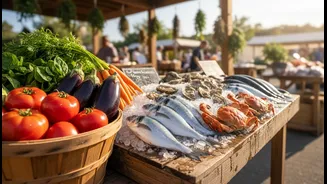
restaurants, local markets, and farm stalls, that revenue stays within the community up to 3.5 times longer than money spent at large chains. This directly supports small-scale farmers, fishermen, artisans, and restaurateurs, fostering economic resilience and creating jobs. In fact, studies show that travellers focused on food often spend more, making their contribution even more impactful.
How to Plan Your Culinary Journey
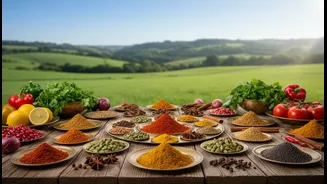
Building a food-focused itinerary begins with research. Start by identifying a region's signature dishes or agricultural products, whether it's the tea plantations of Assam, the coffee estates of Karnataka, or the vibrant spice farms of Kerala. Look for established food trails, which are curated routes that guide visitors between farms, eateries, and markets. Use local food blogs, travel guides, and even review sites to find hidden gems, but always read reviews carefully. A great strategy is to book a food tour on your first day. This provides a fantastic overview of the local scene and often reveals spots you’ll want to revisit.
Go Beyond the Restaurant
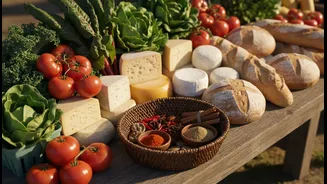
To truly support local producers, think beyond just meals. Agritourism is a growing movement in India that invites travellers to experience rural life firsthand. This can include farm stays, participating in harvesting activities, taking cooking classes with locals, and visiting community markets. These experiences offer a profound connection to the source of your food and the people who produce it. In states like Maharashtra, a pioneer in Indian agritourism, you can find numerous certified farm stays that offer activities like bullock cart rides and meals cooked on traditional wood fires. This approach helps create sustainable income for farmers, reducing the need for them to migrate to urban centres for work.
Finding Authentic Local Gems
The most memorable food experiences are often found away from the main tourist hubs. Don't be afraid to ask locals—from your hotel concierge to a shopkeeper—for their personal recommendations. Look for simple, busy eateries filled with local customers rather than other tourists. Exploring street food culture, especially in a country as diverse as India, is another way to enjoy authentic, affordable, and delicious food while supporting small vendors. These vendors are often the heart of a neighbourhood's food scene, offering recipes passed down through generations. Your curiosity and patronage help preserve this vital cultural heritage.