




The Big Economic Picture
The monsoon is often called India’s ‘real finance minister’ for a good reason. It delivers about 70% of the country's annual rainfall, and its performance is vital for the agricultural sector, which employs nearly half of the workforce. [14, 23] A strong,
well-distributed monsoon boosts crop production, which in turn fuels rural incomes and demand for goods and services. [23] Conversely, a weak or erratic monsoon can slow down the entire economy. [4] For 2026, the India Meteorological Department (IMD) has forecasted a 'below-normal' monsoon, the first such prediction in years, raising concerns about its economic impact. [2, 7]
Your Direct Kitchen Connection
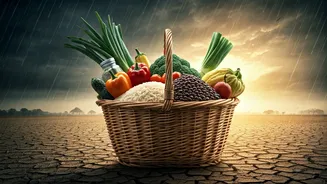
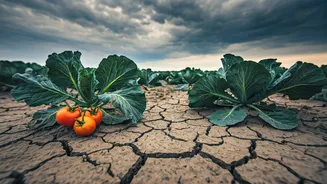
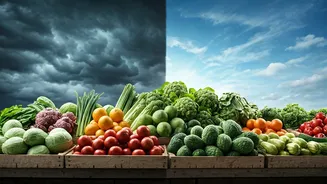
The most immediate impact of the monsoon on any household is at the grocery store. The sowing and yield of crucial kharif crops like rice, pulses, soybeans, and vegetables are heavily dependent on monsoon rains. [2, 13] A deficit in rainfall, as is being experienced in June 2026, can delay sowing and reduce harvests. [2] This supply disruption inevitably leads to higher food prices. [23] Even if staple grain reserves provide a buffer, the prices of vegetables, pulses, and edible oils are particularly sensitive to rainfall patterns. [2] A weak monsoon means you could end up paying more for your daily essentials. [3]
Water and Electricity Supply
The monsoon doesn't just water the farms; it replenishes the country’s reservoirs. These water bodies are critical for drinking water supply in cities and towns, as well as for generating hydroelectric power. [16, 23] A poor monsoon can lead to lower reservoir levels, potentially causing water shortages and reduced electricity generation from hydropower, which accounts for a significant portion of India's power. [13, 16] This might mean more power cuts and a higher reliance on more expensive thermal power, which could translate to higher electricity bills for households. [24]
Monsoon-Related Health Risks
The rainy season also brings a host of health concerns. High humidity and waterlogging create ideal breeding grounds for mosquitoes, leading to a spike in vector-borne diseases like dengue and malaria. [18] Contaminated water sources can also cause an increase in waterborne illnesses. [18] Households should be vigilant about preventing water stagnation around their homes, ensuring clean drinking water, and being aware of the symptoms of common monsoon-related ailments. [12]
How To Stay Prepared
While you can't control the weather, you can prepare for its impact. Start by checking your home for potential leaks and ensure your drainage systems are clear to prevent waterlogging. [6, 10] It is also wise to have a small emergency kit with essentials like flashlights, basic medicines, and some dry snacks in case of power cuts. [19] From a financial perspective, being aware that a weak monsoon could tighten your budget in the coming months allows you to plan your spending more carefully. Keeping an eye on reliable sources like the IMD for updates will help you understand how the season is progressing and what to expect. [9]