







From Window Shopping to Screen Scrolling
Not long ago, the primary way fashion brands attracted customers was through physical storefronts, well-placed magazine ads, and grand runway shows. Today, the most valuable real estate isn't in a high-end mall; it's on your mobile screen. The concept
of a 'front door' for retail has fundamentally shifted from a physical space to a digital one, built almost entirely from content. This content—be it a creator’s Instagram Reel, a YouTube tutorial, or a live shopping event—is where discovery now happens. For Gen Z, which constitutes a significant portion of India's e-commerce base, fashion is a journey of discovery, not utility. They aren't just searching for 'jeans'; they're looking for 'Korean-inspired streetwear' or 'that sari from an actress's latest film', trends they see in content first. This behavioural shift means that before a customer even decides *where* to buy, they have already decided *what* to buy based on the content they consume.
The Engine of 'Content-Led Commerce'
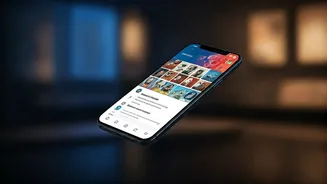
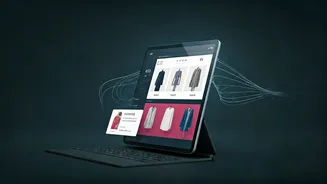
This phenomenon is called 'content-led commerce', and it's reshaping the industry. In this new model, content isn't just for marketing or brand awareness; it's a direct driver of sales. Platforms like Instagram, YouTube, and even WhatsApp have become shoppable ecosystems. Influencers and content creators act as trusted guides, showcasing products in authentic, relatable ways that traditional advertising often struggles to replicate. Their endorsements are seen as personal recommendations, building a level of trust that directly influences purchasing decisions. This is particularly effective in India, where nearly 70% of brands plan to significantly increase their investment in creator-led campaigns. E-commerce giants like Flipkart and Myntra are heavily investing in this space, integrating shoppable content and creator partnerships directly into their platforms to capture this intent-driven audience.
The Rise of Shoppable Entertainment
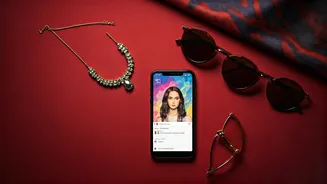
A key evolution in content-led commerce is the emergence of livestream shopping. A blend of entertainment and e-commerce, live shopping allows brands and influencers to host interactive video sessions where viewers can ask questions, see products demonstrated in real-time, and make purchases without ever leaving the stream. Platforms like Myntra's M-Live and Amazon Live are bringing this format to Indian consumers, creating engaging, community-driven shopping experiences. While still in its early stages in India compared to markets like China, the format shows immense promise, especially in fashion and beauty. Experts predict live commerce could be worth $4-5 billion in India by 2025, driven by its ability to convert interest into sales at a much higher rate than traditional e-commerce.
What This Means for Brands and Consumers
For brands, this new front door demands a complete rethinking of strategy. Success is no longer just about product and price; it's about storytelling, community-building, and authenticity. Retailers must now think like media companies, creating high-quality, engaging content that resonates with specific audiences. For consumers, this shift offers a more personalized and engaging shopping experience. You're no longer just buying a product; you're buying into a style, a trend, or a community you discovered through a creator you trust. The path to purchase has become a continuous loop of discovery and engagement that flows seamlessly between online content and offline (or online) checkout. As this trend accelerates, especially in India's aspirational Tier-2 and Tier-3 cities, the line between content and commerce will continue to blur, making your social feed the most powerful storefront in the world.