

In the world of Indian comfort food, dalia and khichdi are champions of simple, nourishing meals. Both are praised for their health benefits, but which one truly has the edge? This guide breaks down the dalia versus khichdi debate.
The Comfort Food Contenders
Dalia and khichdi are
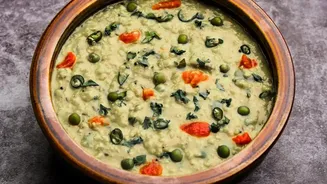
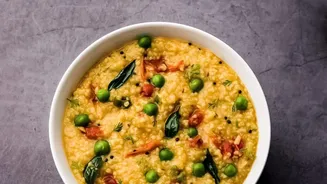
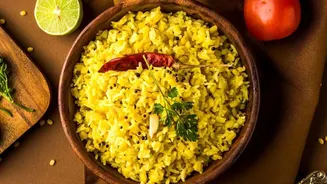
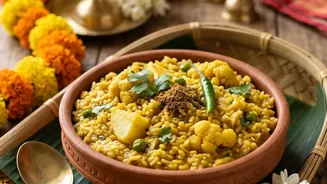
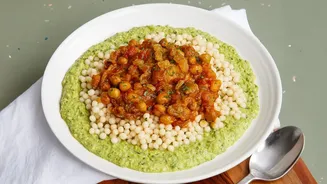
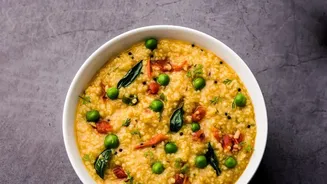
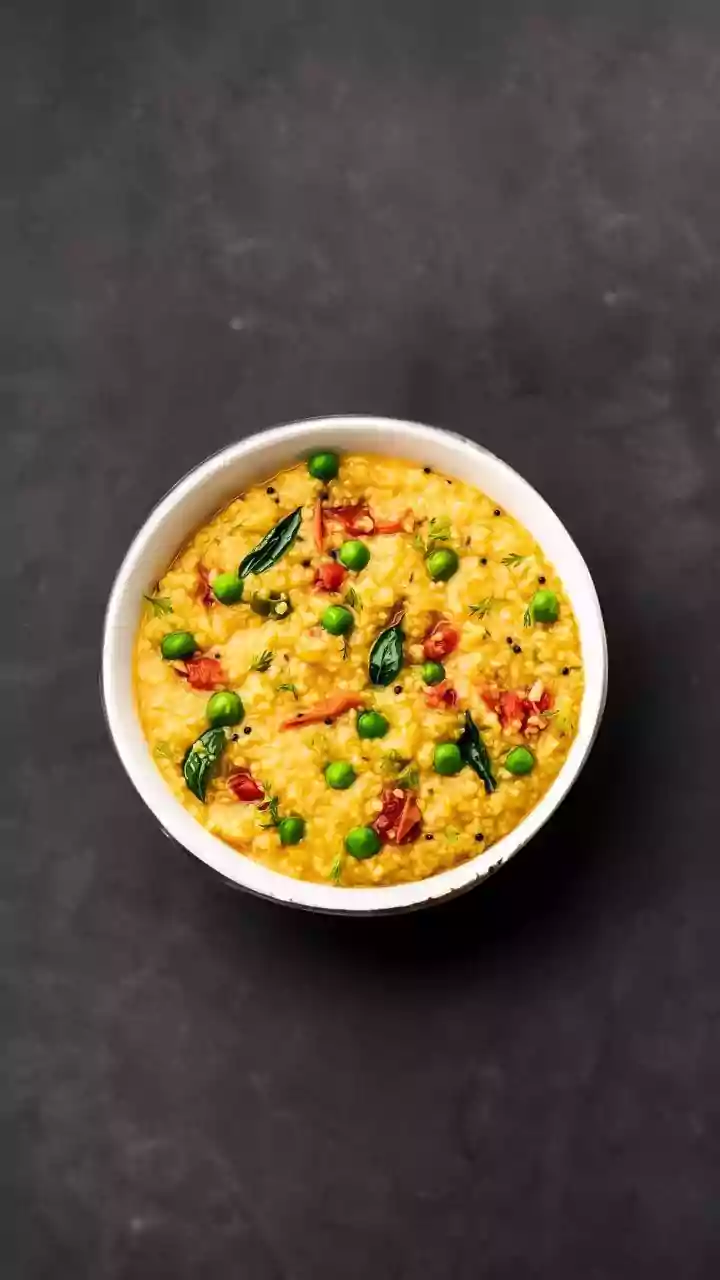
cornerstones of wholesome Indian dining, cherished for their simplicity and restorative qualities. Dalia, made from cracked or broken wheat, is a versatile whole grain that can be cooked into a savoury porridge-like meal or a sweet dish. Khichdi is a classic one-pot meal prepared by cooking rice and lentils (typically moong dal) together until they form a soft, creamy consistency. Both are lauded for being easy to digest, but they offer distinct nutritional profiles that cater to different health needs.
Dalia: The High-Fibre Powerhouse
Dalia's main strength comes from being an unprocessed whole grain. Since it's made from cracked wheat, it retains its bran and germ, making it exceptionally rich in dietary fibre. A 100-gram serving of uncooked dalia contains a significant amount of fibre, which is crucial for digestive health, preventing constipation, and promoting a feeling of fullness. This high fibre content makes dalia an excellent choice for weight management, as it keeps you satisfied for longer and helps manage cravings. Furthermore, it has a low glycemic index, meaning it releases sugar into the bloodstream slowly, providing sustained energy and making it a preferred option for individuals managing blood sugar levels.
Khichdi: The Complete Protein Partner
Khichdi’s magic lies in the combination of rice and lentils. This pairing creates a 'complete protein', providing all the essential amino acids your body requires for functions like muscle repair—something neither rice nor lentils can offer alone. While typically lower in fibre than dalia, khichdi is famously gentle on the stomach. Its soft texture makes it incredibly easy to digest, positioning it as the ultimate comfort food during illness, for young children, or for anyone with a sensitive digestive system. The moong dal used is known to be particularly soothing for the gut.
Nutritional Showdown: Which to Choose?
When it comes to a direct comparison, there is no single winner; the 'better' dish depends entirely on your health goals. If your primary focus is on boosting fibre intake, managing weight, or controlling blood sugar, dalia is the superior choice due to its high fibre content and low glycemic index. On the other hand, if you need a light, easily digestible meal that provides high-quality complete protein for recovery and gut health, khichdi is the ideal option. Both are healthy, but they serve different nutritional purposes.
Elevate Your Bowl: The Power of Vegetables
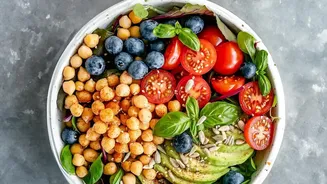
Regardless of which you choose, adding a generous amount of vegetables is the easiest way to elevate either dish from simply healthy to a nutritional powerhouse. Vegetables significantly increase the vitamin, mineral, and antioxidant content of your meal. They also add more fibre, which further supports digestion and satiety. Plus, they bring colour, texture, and flavour, making your comforting bowl of dalia or khichdi even more delicious and satisfying.
Best Vegetables to Add to Dalia
The slightly chewy texture of dalia pairs wonderfully with vegetables that hold their shape. Finely chopped carrots, green beans, peas, and cauliflower are excellent choices. These vegetables not only add a pleasant crunch but also contribute essential nutrients. For instance, carrots are rich in Vitamin A, while peas and beans boost the protein and fibre content. You can also add tomatoes and onions as a base to build a rich, savoury flavour for a satisfying one-pot meal.
Best Vegetables to Add to Khichdi
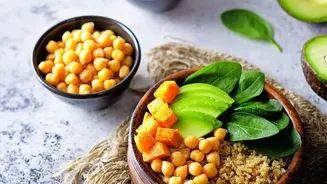
Khichdi's soft, porridge-like consistency is perfect for incorporating a wide variety of vegetables. Soft-cooked vegetables like spinach, zucchini, and pumpkin blend seamlessly into the dish, adding nutrients without altering the comforting texture. Potatoes and carrots can be diced and cooked along with the rice and lentils for a heartier meal. Adding greens like spinach boosts the iron and folate content, while turmeric, a common spice in khichdi, offers anti-inflammatory benefits.