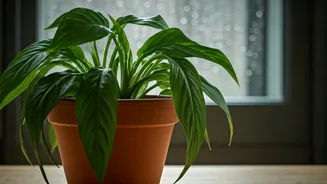







1. Master the Art of Watering
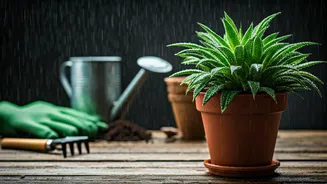
The number one killer of plants during the monsoon is not neglect, but too much love in the form of water. With high humidity, the soil stays wet for much longer. Your regular watering schedule will quickly lead to root rot. The hack? Ditch the schedule and
trust your finger. Poke it about an inch into the soil. If it comes out moist and with soil clinging to it, do not water. Only water when the top inch or two feels dry to the touch. For most indoor plants, this might mean watering only once every 7-10 days, or even less.
2. Improve Drainage and Aeration
Stagnant water is the enemy. Ensure every single one of your pots has drainage holes. If a pot is sitting in a decorative planter without holes, either drill some or use the 'cachepot' method: keep the plant in its nursery pot and place it inside the decorative one, making sure to empty any excess water from the outer pot after watering. To improve soil aeration, you can gently poke a few holes in the topsoil with a chopstick. This allows air to reach the roots and helps the soil dry out more evenly, preventing the suffocating conditions that lead to rot.
3. Fight Fungus Before It Starts
High humidity is a breeding ground for fungal diseases, which often appear as white, powdery mildew or black spots on leaves. Prevention is key. First, ensure good air circulation around your plants. If they're clustered together, space them out. You can even run a small fan for a few hours a day to keep the air moving. A great natural hack is to sprinkle a little cinnamon powder on the topsoil. Cinnamon has natural anti-fungal properties that can deter fungal growth in the damp soil.
4. Go on Pest Patrol
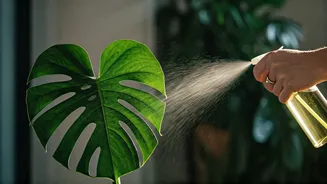
Moisture attracts pests like fungus gnats, mealybugs, and spider mites. Inspect your plants regularly, paying close attention to the undersides of leaves and the soil surface. Mealybugs look like tiny white cottony fluff. For a small infestation, you can dip a cotton bud in rubbing alcohol and dab them off. For a wider problem and as a general preventative, a neem oil solution is your best friend. Mix a few drops of neem oil and a drop of liquid soap with water in a spray bottle. Shake well and spray your plants every two weeks to keep pests at bay.
5. Chase the Sunlight
Overcast monsoon days mean significantly less sunlight. Your plants need light for photosynthesis, and a lack of it can cause them to become 'leggy' (stretching towards a light source) and weak. Your hack is to become a light manager. Move your plants to the brightest spot in your home, which is usually a south or west-facing window. Remember to rotate your plants every few days so all sides get some light. Also, take a moment to wipe down the leaves with a soft, damp cloth. Dust and grime can block what little light is available.
6. Put a Pause on Fertiliser
It feels counterintuitive, but the monsoon is not the time to feed your plants. Most plants go into a semi-dormant state when light levels are low, meaning their growth slows down. Fertilising them now would be like force-feeding someone who isn't hungry. The unused nutrients build up in the soil and can cause 'fertiliser burn', damaging the roots. Hold off on the fertiliser until the skies clear and you start seeing signs of new, active growth again.
7. Prune for Better Health
A little haircut can do wonders. Pruning is not just for aesthetics; it’s crucial for plant health during the monsoon. Trim any yellowing or dead leaves immediately, as they can attract pests and fungus. Thinning out dense foliage also improves air circulation through the plant, which, as we know, helps prevent fungal diseases. This allows the plant to focus its energy on maintaining its healthy leaves rather than trying to support dying ones.