







Why DIY Is Taking Over
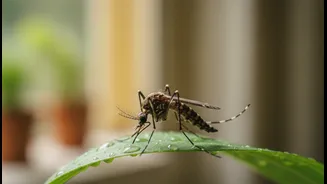
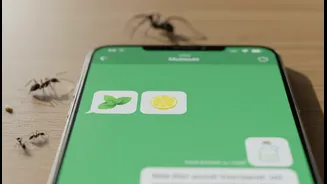
It’s a familiar story in households across India. A pest appears—an ant trail in the kitchen, a spider in the corner, or aphids on the balcony plants—and the first instinct is no longer to grab a chemical spray. Instead, people are turning to their phones.
The reasons for this shift are clear. There's a growing desire for solutions that are safer for children and pets, a general mistrust of harsh chemicals, and a collective tightening of household budgets. Natural, homemade remedies promise an eco-friendly and cost-effective alternative. Social media and messaging apps have become the new frontier for sharing this kind of household wisdom, turning traditional methods into viral trends. But as with any internet hack, it's crucial to separate the effective solutions from the old wives' tales.
The Vinegar Spray for Ants
The Claim: A simple spray of equal parts white vinegar and water can deter ants. The idea is that vinegar’s strong smell erases the invisible pheromone trails ants use to navigate, effectively confusing the colony and keeping them from following their leaders to the food source in your pantry. The Reality: This hack is surprisingly effective as a short-term deterrent. Wiping down surfaces where you’ve seen ants with a vinegar solution does indeed disrupt their chemical trails. However, it’s a temporary fix. It cleans up the existing trail but does little to eliminate the nest or prevent new scouts from creating fresh paths. For it to work, you need to be consistent, reapplying the spray frequently. Adding a few drops of liquid dish soap to the mix can help the solution adhere better to surfaces.
Peppermint Oil for Spiders
The Claim: Spiders hate the smell of peppermint oil, and spraying a diluted mixture around windows and doorways will keep them out. The Reality: There is a lot of anecdotal evidence to support this, and some theories suggest strong odours like peppermint overwhelm spiders, who smell and taste with their legs. The menthol in peppermint oil can act as a powerful irritant to them. While not scientifically proven to be a foolproof method, many people find success by mixing about 10-15 drops of peppermint oil with water in a spray bottle. For this to be effective, it needs to be reapplied every few days, as the oil evaporates. It’s a repellent, not a killer, so it may simply encourage spiders to find a different, less fragrant entry point.
Dish Soap for Garden Pests
The Claim: A simple mixture of dish soap and water can kill soft-bodied pests like aphids, mites, and whiteflies on your plants. The Reality: This is another effective and widely used natural remedy. The fatty acids in soap work to break down the protective outer layer of these insects, causing them to dry out and die. To be effective, the spray must make direct contact with the pests. A common recipe involves mixing one to two tablespoons of a mild liquid soap (avoiding harsh detergents) with a litre of water. It’s important to spray the tops and bottoms of leaves. Always test the solution on a small part of the plant first, as some can be sensitive.
Borax for Cockroaches and Ants
The Claim: A mixture of borax and sugar can be used as a bait to kill entire colonies of ants or cockroaches. The sugar attracts them, and the borax, when ingested, is lethal. The Reality: This method is highly effective but comes with a major safety warning. Borax, a naturally occurring mineral, is toxic when ingested by insects, interfering with their digestive systems. The slow-acting nature of the poison allows the foraging pest to carry the bait back to the nest, eliminating the colony from within. However, borax is also toxic to pets and children if ingested. Even a small amount can cause significant gastrointestinal distress in a dog or cat, who might be attracted to the sugary bait. If you choose to use this method, it is absolutely crucial to place the bait in sealed, tamper-proof stations or in areas completely inaccessible to children and pets.
The Prevention-First Approach
While these natural remedies can be useful, experts agree that the best pest control is prevention. This is less about hacks and more about habits. Sealing cracks and crevices in your foundation, windows, and doorways is the most critical step to block entry points. Maintaining a clean home by promptly cleaning up crumbs, storing food in airtight containers, and regularly taking out the trash removes the food sources that attract pests in the first place. Finally, addressing any moisture issues, like leaky pipes or standing water, will make your home far less inviting for all sorts of unwanted guests.