



Beyond the Breakfast Bowl
Let’s be honest. For years, upma has suffered from a PR problem. Often dismissed as bland, ‘sick people food,’ or just a quick fix when there’s nothing else in the house, it has rarely received the culinary respect it deserves. But to label it as such
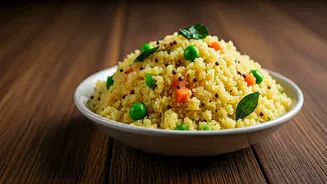
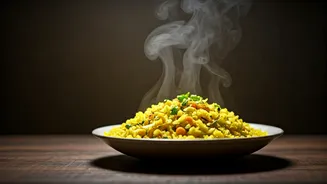
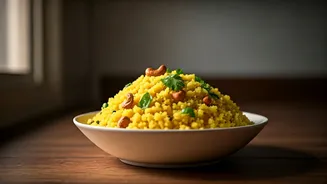
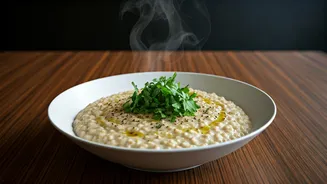
is to misunderstand it completely. At its core, upma is not just a dish; it’s a brilliant culinary concept. It’s a warm, savoury porridge made from dry-roasted semolina (rava) or coarse rice flour, and it represents a masterclass in speed, flavour, and versatility. Born in the kitchens of South India, this breakfast staple has quietly travelled across the country, adapting itself to local palates and pantries, proving its resilience and universal appeal.
The Anti-Boring Nutritional Punch
When we say upma beats ‘boring breakfasts,’ we’re not just talking about taste. Let's compare it to the usual suspects. Many processed cereals and white breads offer a quick burst of energy followed by a dreaded mid-morning slump. Upma, on the other hand, provides sustained energy. The semolina is a good source of complex carbohydrates, which release energy slowly, keeping you full and focused until lunch. Moreover, upma is a perfect canvas for nutrition. The initial tadka (tempering) of mustard seeds, curry leaves, and lentils isn't just for flavour—it’s a dose of antioxidants and fibre. You can load it with vegetables like carrots, peas, and beans, instantly upping its vitamin and mineral content. A handful of peanuts or cashews adds healthy fats and a satisfying crunch. It's a balanced, one-pot meal that a bowl of cornflakes can only dream of being.
An All-India Flavour Journey
One of upma’s greatest strengths is its incredible adaptability. While the basic principle remains the same, every region has its own signature twist. In Maharashtra, it’s known as ‘saanja,’ often made with a special touch of sugar for a hint of sweetness. In Tamil Nadu, the dish might be studded with cashews and prepared with a ghee-rich tempering. Travel to Karnataka and you might find ‘chow chow bath,’ where a serving of savoury ‘khara bath’ (a spicier, vegetable-laden upma) is paired with a sweet semolina ‘kesari bath.’ Some homes add tomatoes for a tangy kick, while others swear by a final squeeze of lime juice to brighten all the flavours. This isn't a rigid recipe; it’s an invitation to experiment. It's a testament to the ingenuity of Indian home cooking, where one simple dish can have a thousand delicious identities.
Mastering the Perfect Fluffy Upma
The primary reason some people are ‘upma-sceptics’ is that they’ve had a bad batch—either lumpy, gooey, or dry. But achieving fluffy, fragrant perfection is easy once you know the secrets. First, always dry-roast your rava on low heat until it’s fragrant and changes colour slightly. This step is non-negotiable; it prevents lumps and ensures a fluffy texture. Second, the water ratio is key. A general rule of thumb is 1 part rava to 2 or 2.5 parts water. Always add hot water to the cooked onion-spice mixture, bring it to a rolling boil, and then slowly pour in the roasted rava while stirring continuously to prevent clumps. Once the rava is in, lower the heat, cover the pan, and let it steam for a few minutes. This final step allows the grains to swell up perfectly, resulting in a non-sticky, delicious upma every time.