



First, What Are Prebiotics?
Before we talk about variety, let's clarify what prebiotics are. Think of your gut as a bustling garden, home to trillions of microorganisms, including beneficial bacteria known as probiotics. Like any living thing, these good bacteria need food to thrive.
Prebiotics are that food. They are specific types of non-digestible fibres found in plants that bypass your upper digestive tract and make their way to the colon, where they nourish your friendly gut microbes. This process of feeding the good bacteria helps them grow, strengthening your gut's ecosystem and producing beneficial compounds like short-chain fatty acids (SCFAs), which are crucial for reducing inflammation, supporting immunity, and maintaining the gut lining. In simple terms: probiotics are the good bacteria, and prebiotics are their lunch.
The Superfood Singularity Trap
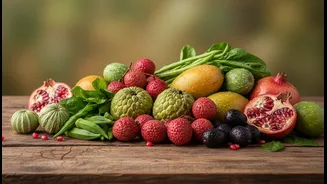
We've all seen it: one month it's all about kale smoothies, the next it's a specific type of seed or an exotic berry. While these so-called 'superfoods' often do contain valuable nutrients, the idea that a single food can be a magic bullet for health is misleading. Focusing intensely on one food can lead to nutritional imbalances and, frankly, dietary boredom. True health is built on a foundation of balance and diversity, not on the shoulders of one trendy ingredient. The term 'superfood' itself is more of a marketing concept than a scientific one. A healthy gut microbiome isn't sustained by a single type of nutrient; it flourishes on a wide array of different inputs, much like a diverse ecosystem in nature.
Why Variety Is King for Gut Health
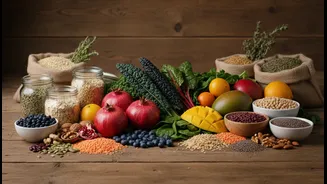
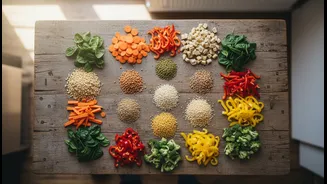
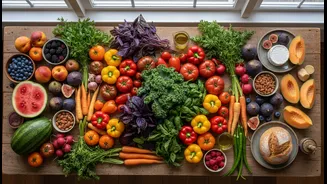
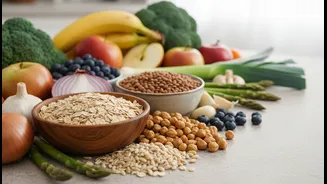
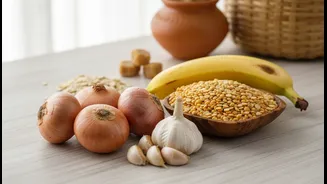
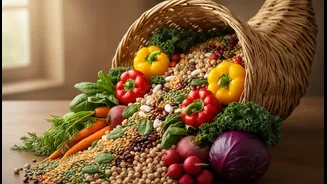
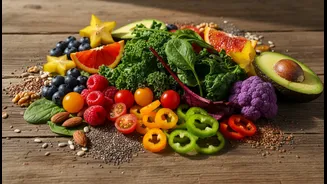
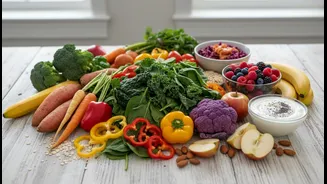
This brings us to the core of the matter: variety. Just as a diverse ecosystem is more resilient, a diverse gut microbiome is a hallmark of good health. Different types of prebiotic fibres feed different strains of beneficial bacteria. For instance, the inulin found in onions and garlic might feed one group of microbes, while the resistant starch in unripe bananas and cooled rice nourishes another. By eating a wide range of prebiotic-rich foods, you ensure that you are nourishing a broader spectrum of helpful bacteria. This diversity makes your gut microbiome more robust and better equipped to handle stressors, support your immune system, and protect against harmful pathogens. Studies have shown that consuming over 30 different types of plant-based foods per week is associated with a more diverse and healthier gut microbiota.
Building a Prebiotic-Rich Indian Diet
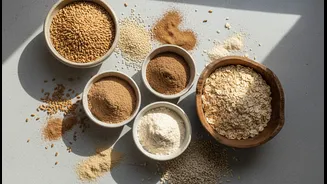
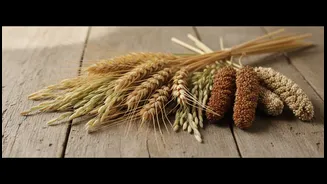
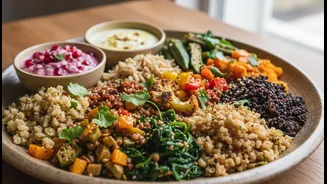
The good news is that you don't need to hunt for expensive, imported products to build a prebiotic-rich diet. The traditional Indian kitchen is already a powerhouse of prebiotic foods. Onions (pyaaz) and garlic (lahsun) form the base of countless Indian dishes and are potent sources of prebiotics. Legumes and dals, such as chickpeas (chana), kidney beans (rajma), and lentils (masoor), are staples that are packed with beneficial fibres. Whole grains like millets (jowar, bajra, ragi) and whole wheat offer different types of resistant starch and fibres. Fruits like bananas (kela), especially when slightly green, and apples are also excellent sources. Even common vegetables and seeds like flaxseeds (alsi) contribute to this dietary diversity. The key is to consciously incorporate a variety of these everyday heroes into your weekly meals.
Simple Swaps for a Healthier Gut
Incorporating more prebiotic variety doesn't require a complete dietary overhaul. Start with small, manageable changes. Instead of using only one type of dal, try rotating through three or four different kinds during the week. Opt for rotis made from whole wheat, jowar, or bajra instead of refined flour. Add a generous amount of onion and garlic to your curries and sabzis; including some raw onion in a kachumber salad or raita is even more effective. Snack on a banana or an apple with its skin on. When you cook rice or potatoes, let them cool down before eating; this process increases their resistant starch content, a valuable prebiotic. By focusing on adding more types of plant-based foods to your plate, you naturally increase your prebiotic intake and support a thriving internal ecosystem.