







The K-Wave Meets a Green Wave
If your skincare shelf now features a mix of K-beauty serums and Ayurvedic oils, you're part of a major shift. The Indian market isn't just consuming Korean beauty anymore; it's creating a unique fusion. This 'inversion' involves taking the principles
that make K-beauty so effective—like layering, hydration, and a focus on skin barrier health—and applying them to the plant-based ingredients Indian consumers have trusted for generations. We’re seeing Indian brands blend the wisdom of Ayurveda with the innovation of Korean skincare, and Korean brands highlighting their natural formulations to resonate with the Indian consumer. It's a 'best of both worlds' approach that feels both modern and deeply familiar.
Ancient Wisdom, Modern Science
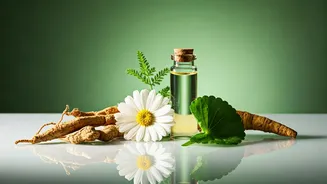
The core appeal of this trend lies in its powerful combination of trust and technology. Korean skincare is renowned for its advanced R&D, scientific formulations, and innovative textures. It has introduced Indian consumers to powerhouse ingredients like cica (known locally as gotu kola), rice water, and ginseng. This trend marries that scientific credibility with the deep, cultural trust in Indian botanicals like turmeric, neem, tulsi, and amla. Consumers get the sophisticated, lab-tested feel of K-beauty products without abandoning the natural ingredients they believe in. The result is a product that feels both effective and safe, offering the gentle, healing properties of plants backed by clinical precision.
The Rise of the Conscious Consumer
This movement is being driven by a new generation of Indian consumers. Digitally savvy millennials and Gen Z are more than just buyers; they are conscious consumers who prioritize health, ethics, and transparency. There is a growing demand for products that are clean, cruelty-free, and vegan—a market projected to reach over USD 1,198 million by 2034. This ethical shift aligns perfectly with plant-based formulations. Consumers are scrutinizing labels, moving away from harsh chemicals, and seeking sustainable solutions. Plant-focused K-beauty inversions cater directly to this mindset, offering products that are not only good for the skin but also align with a kinder, more environmentally aware worldview.
The New Indian Skincare Shelf
So what does this trend look like in practice? It's in the turmeric-infused cleansing pads designed for exfoliation and brightening. It's in the lightweight ceramide moisturisers, using Korean dispersion technology to make them suitable for humid Indian weather. It's found in serums that combine the brightening power of niacinamide and licorice with the hydrating properties of hyaluronic acid and rice ferment. Indian brands are launching K-beauty inspired lines with Ayurvedic botanicals, while Korean brands are developing ranges specifically for Indian skin concerns like excess sebum and pigmentation. This has moved the focus from fairness and instant fixes to long-term skin health, hydration, and a natural glow, regardless of skin tone.
A Fusion with a Future
This blending of cultures is more than a fleeting trend; it represents the evolution of the Indian beauty market. It signifies a move towards a more sophisticated, personalized approach to skincare. We're seeing Indian entrepreneurs travel to Korea to develop unique formulations specifically for the Indian climate, and Korean vegan brands making dedicated efforts to connect with Indian consumers. This exchange isn't about one culture replacing the other. Instead, it’s a creative dialogue. By combining the preventative, ritualistic approach of K-beauty with the holistic, natural wisdom of Ayurveda, the Indian market is creating a new definition of beauty that is both globally inspired and authentically local.