






A Sweeping Conservation Proposal
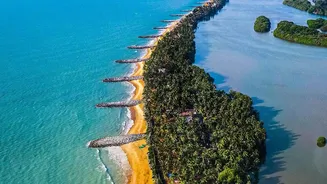
In a significant move, Goa's Forest Department has sent a proposal to the Department of Environment and Climate Change to designate 24 beaches across the state as official turtle nesting sites. The list includes 10 beaches in North Goa and 14 in South
Goa, seeking their inclusion under the stringent Coastal Regulation Zone (CRZ) Notification of 2019. This classification as a CRZ-I ecologically sensitive area would bring tighter controls on all coastal activities. The proposal is not just about a few isolated spots; it covers some of the most commercially active and popular beaches that define Goa's tourism landscape, signalling a major policy shift towards conservation.
From Baga to Palolem: The Beaches on the List
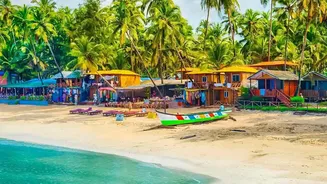
The proposal's most surprising element is its inclusion of heavily commercialised beaches. In North Goa, the list features tourist hotspots like Baga, Calangute, Candolim, and Vagator alongside traditional nesting sites like Morjim and Mandrem. The other northern beaches proposed are Keri, Miramar, Ashvem, and Arambol. In the south, the proposal covers almost the entire Canacona coast, including the world-famous Palolem beach. The southern list also includes Agonda, Galgibag, Rajbag, Mobor, Cabo de Rama, Patnem, Baina, Cola, Carmona, Cavelossim, Varca, and Talpona. While beaches like Morjim, Agonda, and Galgibaga have long been recognised and protected for turtle nesting, extending this status to bustling hubs like Baga and Calangute is a landmark step.
The Ecological Imperative: Why Now?
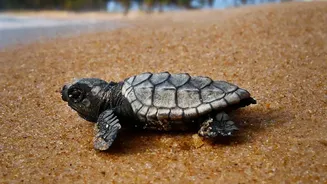
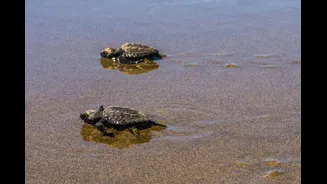
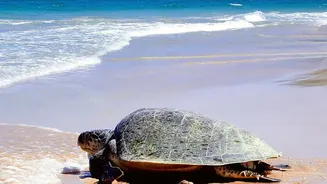
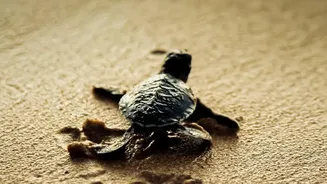
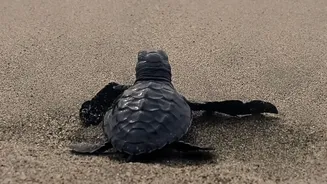
The push for wider protection comes amid growing concerns over declining nesting numbers for the Olive Ridley sea turtle, a species classified as 'Vulnerable' by the IUCN. According to Forest Department data, the 2026 nesting season saw fewer nests and eggs compared to 2025. For instance, Morjim, a key site, recorded a significant drop in the number of eggs compared to the previous year. These turtles, which are the most abundant sea turtle in the world, return to the same beaches where they hatched to lay their own eggs. The increasing human activity on these beaches—bright lights, loud music, vehicular movement, and beach shacks—can disorient and deter nesting females and confuse hatchlings trying to find their way to the sea. The proposal aims to safeguard these critical habitats before they are further degraded.
What 'Protection' Could Mean for Tourism
If the proposal is accepted, it could dramatically alter the face of tourism in Goa, especially during the nesting season which typically runs from October to April, coinciding with peak tourist season. The CRZ-I designation would likely lead to strict regulations on artificial lighting, the operation of beach shacks, loud events, and vehicle movement on the sand, particularly at night. This has sparked immediate concern among local business owners who depend on the beach economy. The Shack Owners Welfare Society has expressed fears that such widespread restrictions could affect the entire tourism industry and the livelihoods dependent on it. They argue that while they support turtle conservation, a balance must be struck to avoid disrupting the local economy.
The Road Ahead: A Balancing Act
The Forest Department's proposal is currently with the Department of Environment and Climate Change and the Goa Coastal Zone Management Authority for consideration. The move has been met with shock and anger from tourism stakeholders, especially in South Goa's Canacona taluka, where many beaches are on the list. Fishermen and shack owners are seeking clarity on the exact nature of the proposed restrictions, questioning whether their traditional activities will be permitted under regulated conditions. They point out that local communities have often played a role in conservation and want to be part of the solution, not driven out of business. The government now faces the difficult task of balancing the urgent need for environmental protection with the economic realities of a state heavily reliant on its iconic beaches.