






For many urban Indians, the air they breathe is a constant health concern. This has given rise to a new travel trend: the 'clean-air recovery holiday', a trip planned not just for sightseeing, but for the simple act of breathing deeply again.
The Smog-Filled Reality of City Life
Living in India's
bustling metropolitan hubs often comes at a cost to health. Cities like Delhi, Mumbai, and others frequently record high levels of air pollution, with particulate matter, nitrogen oxides, and other harmful elements far exceeding safe limits. This isn't just an unpleasant fact; it has real-world consequences. Prolonged exposure to poor air quality is linked to a range of health issues, including chronic respiratory diseases like asthma, cardiovascular problems, fatigue, and even impaired cognitive performance. As awareness of these dangers grows, residents are increasingly looking for a temporary escape — a way to flush their systems and find relief.
The Rise of the 'Urban Recovery Holiday'
Enter the clean-air holiday, sometimes called an 'urban recovery holiday'. This isn't just any vacation. It's a deliberate choice to travel to a destination specifically for its pristine air quality. The goal is simple: to give your lungs and body a break from the constant assault of urban pollutants. This trend is driven by a desire to do more than just see new places; it's about active restoration. Travellers, especially families with young children and those with respiratory sensitivities, are now checking Air Quality Index (AQI) forecasts alongside weather reports when planning their getaways. Resorts and homestays in low-pollution zones report a rise in bookings from residents of major metros, particularly during peak pollution seasons.
The Science of a Fresh-Air Reset
The benefits of escaping to a clean-air environment are more than just a feeling; they are backed by science. Spending time in nature, particularly in forests and mountains, offers measurable health advantages. Breathing cleaner air can improve lung function and oxygen intake. Trees release airborne chemicals called phytoncides, which have been shown to boost the immune system by increasing the activity of our natural killer cells. Furthermore, green spaces are proven to reduce stress, lower blood pressure, and improve mental well-being. Even a short trip of a few days can lead to better sleep, reduced inflammation, and a feeling of rejuvenation that lasts long after returning home.
Where to Find India's Cleanest Air
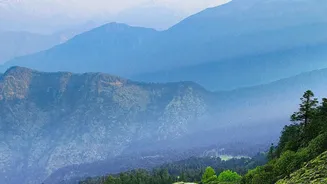
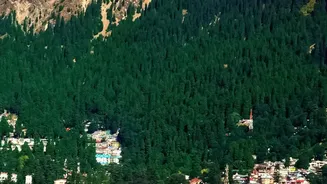
India's diverse geography offers a wealth of destinations for a respiratory reset. In the North, the Himalayan foothills are a prime choice. Places like Tirthan Valley and higher-altitude areas around Mukteshwar in Uttarakhand offer crisp mountain air, dense forests, and a peaceful environment away from commercial hubs. Lansdowne, a cantonment town, benefits from restricted development, preserving its oak and pine forests. The states of Sikkim and Mizoram in the Northeast, particularly towns like Gangtok and Aizawl, consistently boast some of the country's lowest AQI readings. In the South, the Western Ghats provide another sanctuary. Coorg in Karnataka, with its vast coffee plantations, and the high-altitude greenery of Munnar in Kerala are excellent options for a lung-cleansing escape.
Making the Most of Your Recovery Trip
To truly benefit from a clean air holiday, it's about more than just being there. Engage in activities that maximise your connection with nature. Opt for forest walks, a practice known as 'forest bathing' or shinrin–yoku, which has proven therapeutic effects. Choose trekking or gentle hikes over vehicle–based sightseeing. Many wellness retreats in these regions integrate yoga, meditation, and Ayurvedic treatments that complement the healing power of the environment. The key is to slow down. Unplug from devices, practice deep breathing exercises, and allow your body's natural rhythms to reset. By consciously choosing your destination and activities, a short break can become a powerful investment in your long–term health.