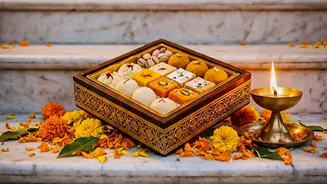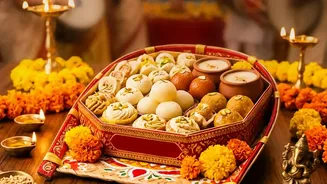





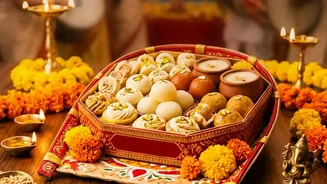
Diwali is a festival of lights, joy, and irresistible flavours. But with every delicious ladoo and barfi comes a familiar worry about overindulgence. This year, let’s reframe our approach and focus not on guilt, but on mindful enjoyment.
The Counterproductive Cycle of Guilt
The festive season
often places us in a difficult cycle: indulgence followed by guilt, which can then lead to more overeating. This all-or-nothing mindset, where foods are labelled as 'good' or 'bad', is often counterproductive. Psychologically, restriction and the resulting guilt can increase stress and anxiety around food, making it difficult to truly enjoy the celebrations. When you forbid a certain sweet, the craving for it can intensify. Eventually, when you do have it, it's often in a larger quantity than you might have otherwise, leading to feelings of failure and perpetuating the cycle. This approach takes the joy out of eating and shifts the focus from celebration to control. The truth is, a healthy lifestyle isn't about complete deprivation; it's about consistency and balance over the long term. One celebratory meal does not derail your health goals.
Embracing Portion Control: A Mindful Strategy
Instead of a blanket ban on sweets, a more effective and sustainable strategy is to practise portion control. This isn't about deprivation, but about mindful indulgence. It allows you to savour the traditional tastes of Diwali without overloading your system. By choosing a small serving of the mithai you truly love, you can satisfy your craving and participate in the festivities without the negative aftermath. Eating slowly is a key part of this; it takes about 20 minutes for your brain to register that you're full. By savouring each bite, you not only enhance the sensory experience but also give your body time to send fullness cues, preventing you from reaching for that second or third piece unnecessarily.
Practical Tips for Navigating the Sweet Box
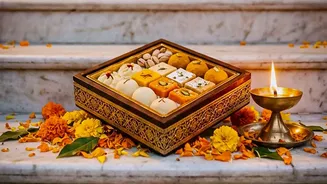
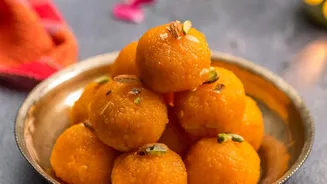
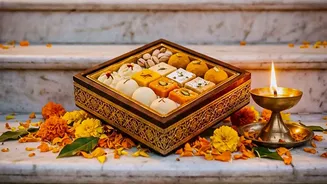
Applying portion control during Diwali can be simple. When faced with a box of assorted sweets, don’t feel pressured to sample everything. Instead, pick one or two of your absolute favourites. Rather than taking a whole piece, you can share it with a family member. Using smaller plates can also psychologically help you feel satisfied with a smaller amount. For example, having one small ladoo or a single piece of kaju katli can be a perfectly satisfying treat. It's also wise to avoid eating sweets on an empty stomach, as this can lead to blood sugar spikes. Enjoying your chosen sweet after a balanced meal is a better approach.
Build a Balanced Festive Plate
A health-conscious Diwali isn't just about managing sweets; it's about what the rest of your plate and day look like. Nutritionists advise against skipping meals to 'save calories' for a party, as this often leads to overeating later. It's better to stick to your regular meal schedule. Before heading to a gathering, have a light, protein-rich snack to curb intense hunger. When at a buffet, scan the options first and fill at least half your plate with vegetables, salads, and lean proteins like paneer or dal. This ensures you get essential nutrients and fibre, which promote fullness and balance the richer, festive dishes. Also, stay hydrated with water throughout the day, which aids digestion and can prevent overconsumption.
Stay Active and Prioritise Rest
The festive season can disrupt routines, but incorporating some light physical activity can make a big difference. This isn't about 'earning' your sweets, but about supporting your overall wellbeing. A brisk walk after a meal can aid digestion and help manage blood sugar levels. Finding fun ways to move, like dancing with family, keeps your energy levels up. Equally important is sleep. Late night celebrations are part of the fun, but a consistent lack of sleep can increase sugar cravings. Prioritising rest helps you make more mindful food choices the next day.