




The Great Escape from the City
For many independent tech professionals in the National Capital Region, the daily reality involves a familiar mix of traffic jams, air quality alerts, and the high cost of living. The promise of remote work, accelerated in recent years, was meant to offer
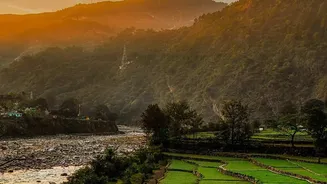
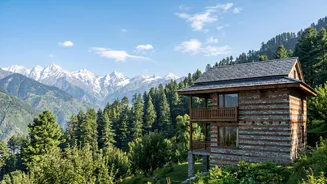
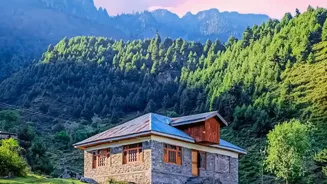
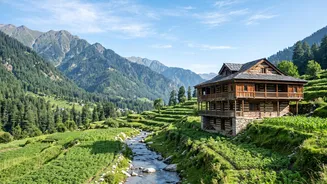
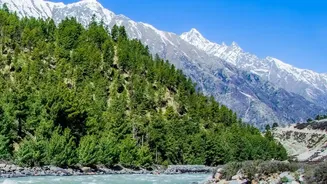
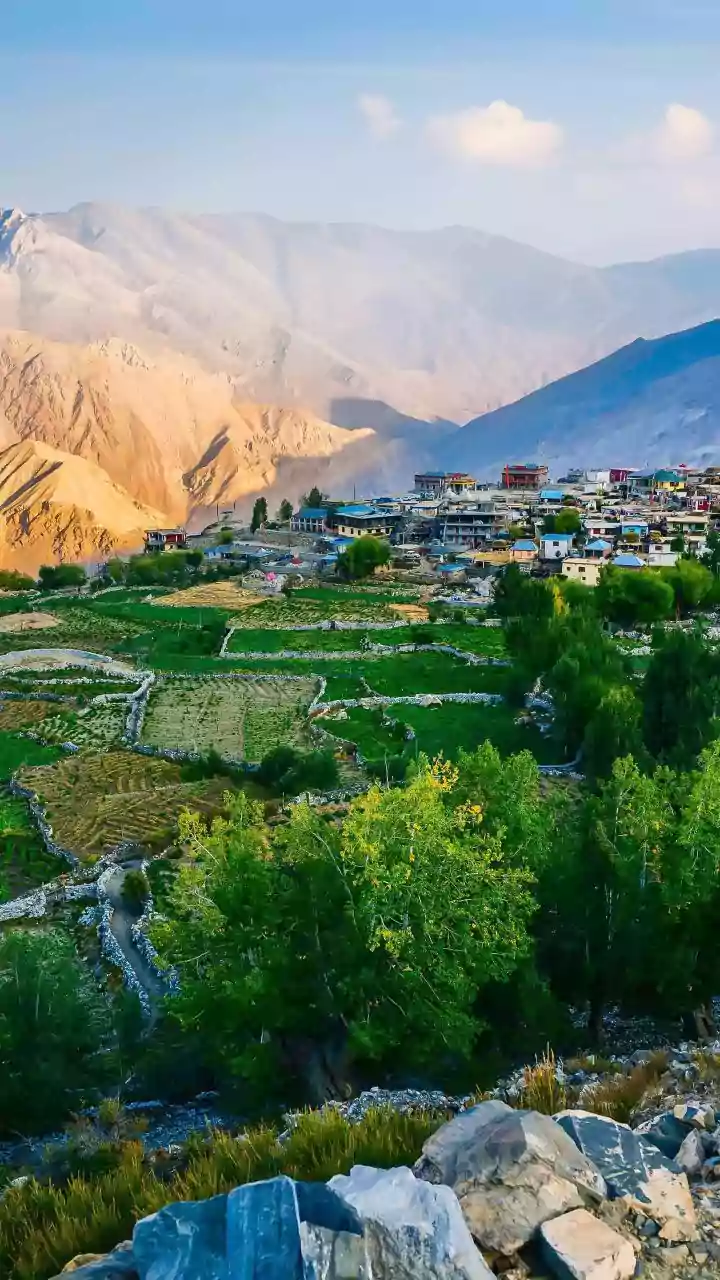
an alternative, yet many found themselves simply confined to the same four walls in a stressful urban environment. This has sparked a deliberate migration, not just away from the office, but away from the city itself. Freelancers, unteathered from a physical headquarters, are increasingly asking why their workspace can't be inspiring. The search for better air, a slower pace, and a more intentional lifestyle has led them to the serene foothills of the Himalayas, with Rishikesh emerging as a clear favourite.
Why Rishikesh? The Perfect Blend
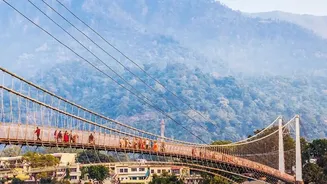
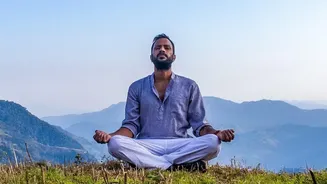
Rishikesh offers a unique proposition that other destinations struggle to match. It's not just the stunning natural beauty and the spiritual energy of the Ganga that draws people in. The town has evolved into a surprisingly robust hub for digital professionals. Long known as the 'Yoga Capital of the World', it now boasts reliable high-speed internet, a crucial factor that has turned it from a potential retreat into a practical workspace. This blend of wellness and connectivity is its core appeal. A freelancer can finish a client presentation and, minutes later, be attending a riverside yoga session, meditating, or planning a weekend trek—a seamless integration of work and well-being that seems a world away from NCR's concrete jungle.
Inside the Co-Living Revolution
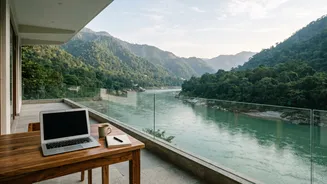
At the heart of this trend are the town's co-living hubs and work-friendly hostels. These are not just places to stay; they are ecosystems designed for the modern remote worker. Monthly packages often cover a room, high-speed Wi-Fi, 24/7 power backup, and access to dedicated workspaces with comfortable seating. Beyond the practicalities, these hubs solve one of the biggest challenges of freelance life: isolation. They foster an instant community of like-minded individuals from various professional backgrounds. Common areas, shared kitchens, and organized social events like hikes and workshops create organic opportunities for networking, collaboration, and friendship, making the transition to a new town feel less daunting and more exciting.
The New Economics of a Workation
The financial logic is also compelling. For many tech freelancers, a month in a Rishikesh co-living space is significantly more affordable than the combined cost of rent, utilities, and socialising in upscale areas of Gurugram or Noida. Budget-friendly monthly packages for a spot in a shared dorm can be found for under ₹20,000, which includes Wi-Fi, workspace access, and utilities. Private rooms are also available at a higher but still competitive price point. This favourable cost of living allows freelancers to maintain a high quality of life, save money, and invest in experiences—all while operating their businesses from a peaceful, inspiring environment.
A Sustainable Shift, Not a Holiday
This movement appears to be more than just a fleeting trend. It represents a fundamental shift in how India's growing class of digital professionals views the relationship between work and life. The infrastructure is maturing rapidly, with areas like Tapovan becoming known for their quieter, upscale cafes and co-working spaces catering to long-term digital nomads. While challenges like occasional internet fluctuations during peak season exist, most professionals mitigate this with backup mobile data plans. The focus is on creating a sustainable, balanced lifestyle where productivity is fuelled by peace and creativity is sparked by nature, suggesting that for many, the Himalayan foothills are becoming not just a temporary escape, but a new, permanent base of operations.