
The Sun's 11-Year Rhythm
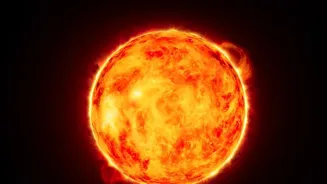
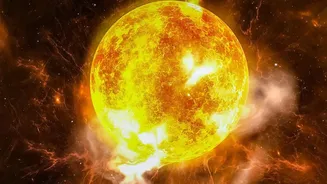
The sun operates on a roughly 11-year cycle, moving from a period of calm, known as the solar minimum, to a peak of intense activity, called the solar maximum. During the solar maximum, the sun's magnetic field becomes highly active and complex. This
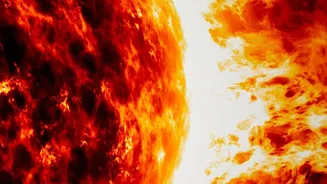
peak period is characterized by a significant increase in sunspots, solar flares, and eruptions of plasma from the sun's surface. The current cycle, Solar Cycle 25, which began in December 2019, has been more active than initially predicted. Scientists noted it reached its peak in late 2024, meaning we are still in a period of very high solar activity.
What Are Sunspots?
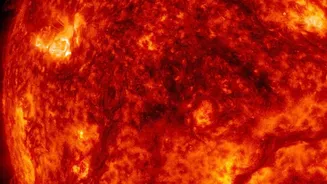
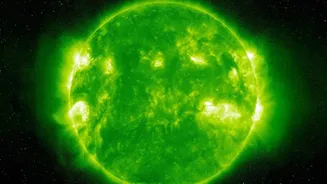
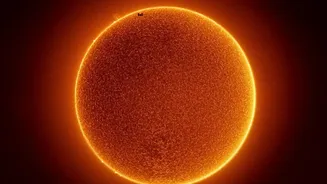
Sunspots are the most visible sign of the sun's increased activity. They appear as dark patches on the sun's surface because they are cooler than the surrounding areas. However, this coolness is misleading; they are regions of incredibly intense and tangled magnetic fields. Think of them as the visible markers of deep magnetic turmoil brewing within the sun. The number of sunspots directly correlates with the intensity of the solar cycle; more sunspots mean we are closer to, or at, the solar maximum.
Creating Celestial Art: The Aurora Connection
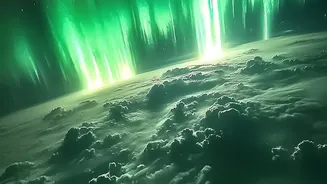
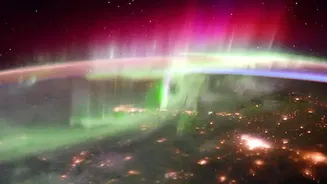
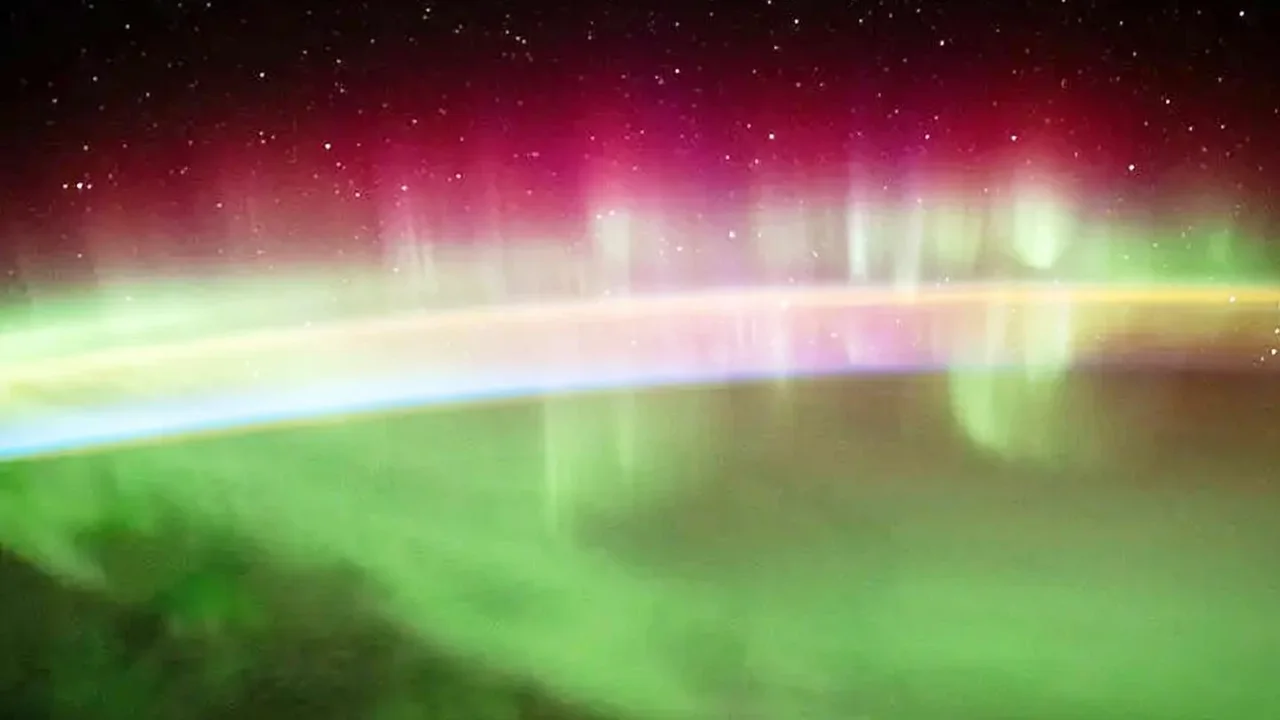
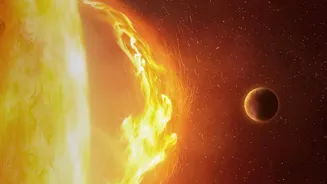
The magnificent auroras, or the Northern and Southern Lights, are a beautiful consequence of this intense solar activity. The tangled magnetic fields around sunspots can suddenly snap and reorganise, causing massive explosions of energy known as solar flares and Coronal Mass Ejections (CMEs). These events blast huge clouds of charged particles into space at incredible speeds. If Earth is in the path of one of these clouds, our planet's magnetic field funnels the particles towards the North and South Poles. As these solar particles collide with oxygen and nitrogen atoms in our upper atmosphere, they energize them, causing them to glow in a dazzling array of colours, creating the aurora.
The Disruptive Side of Solar Storms
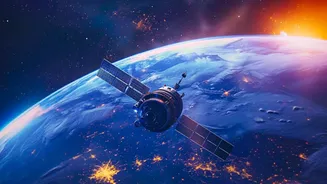
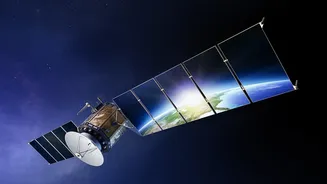
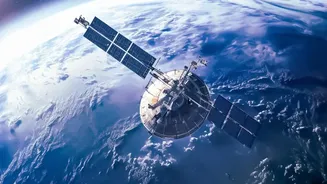
The same energy that creates beautiful auroras can also wreak havoc on our technology-dependent world. These geomagnetic storms can disrupt the delicate electronics of satellites, which are crucial for GPS navigation, television broadcasting, and global communications. In a severe event in 2022, a solar storm was responsible for the loss of dozens of Starlink satellites. The surge of charged particles can also interfere with high-frequency radio communications used by aircraft. On the ground, powerful solar storms can induce currents in long electrical conductors, potentially overloading power grids and causing widespread blackouts, as famously happened in Quebec in 1989.
Living With Our Active Star
As Solar Cycle 25 continues its active phase, scientists and agencies like NOAA's Space Weather Prediction Center are monitoring the sun closely. While the peak may have officially passed in late 2024, solar activity is expected to remain high for several more years, providing both stunning auroral displays and a continued risk of technological disruption. Understanding this cycle is not just an academic exercise; it's a critical part of ensuring the resilience of our global infrastructure, from the satellites in orbit to the power lines that light our homes. It serves as a powerful reminder of the sun's immense influence over our lives here on Earth.