





The Comfort We Crave
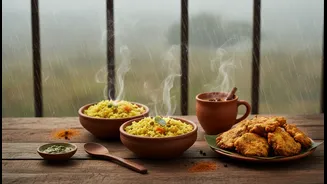
In times of stress or economic uncertainty, there's a natural, psychological pull toward comfort food. These are often the dishes steeped in nostalgia, reminding us of childhood and simpler times. They are typically high in carbohydrates, which can temporarily
boost mood by increasing serotonin levels. This emotional eating isn't necessarily a bad thing; it’s a form of self-soothing. However, with food inflation in India seeing a steady upward trend in 2026, with the cost of food increasing by 4.78% in May over the previous year, this craving for comfort can add financial strain. The challenge, then, is to satisfy this emotional need without breaking the bank.
Planning is Power
The most powerful tool against budget pressures is a good plan. Meal planning isn't a restrictive chore; it's a strategy for empowerment. By deciding your week's meals in advance, you eliminate the daily stress of what to cook and the temptation of expensive last-minute takeaways. Start by creating a simple weekly menu. Involve your family to make it a collaborative and enjoyable process. This simple act of organisation helps you shop with purpose, use what you already have, and drastically reduce food waste, which is a hidden cost in every kitchen.
Mastering the Grocery Run
Strategic shopping is where your plan turns into savings. Always make a list based on your meal plan and stick to it to avoid impulse buys. Prioritise seasonal and local produce, which is almost always fresher and more affordable. Visiting local mandis or weekly bazaars can offer better prices than supermarkets. For pantry staples like dals, rice, and whole grains, buying in bulk can be more economical, provided you have the storage space and will use them before they expire. Also, be mindful of perishables; buy only what you need for the week to prevent spoilage. Don't shop when you're hungry, as this famously leads to buying more than you need.
The Budget Comfort Kitchen
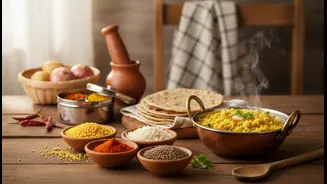
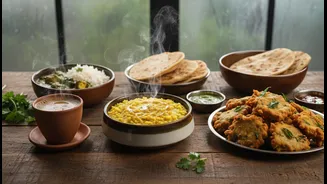
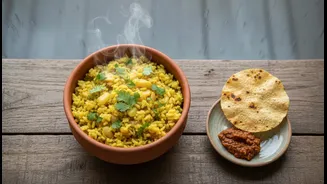
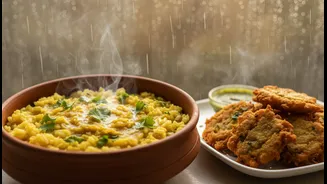
Indian cuisine is inherently budget-friendly, with many of its most comforting dishes built on affordable staples. Think of a simple bowl of toor dal, which is the epitome of home-cooked comfort for many. Khichdi, a one-pot meal of rice and lentils, is another classic that is both nourishing and incredibly easy on the wallet. Dishes like Rajma, Chana Masala, and Lobia (black-eyed peas curry) use inexpensive legumes to create hearty, protein-packed meals. Recipes like Dal Palak (spinach dal) or Saag Aloo (spinach and potato) brilliantly use seasonal greens and potatoes to create satisfying and affordable meals. These dishes are scalable, perfect for batch cooking, and taste even better the next day.
Giving Leftovers a New Life
Embracing leftovers is a cornerstone of a smart, zero-waste kitchen. Yesterday's dal can be thickened and used as a filling for delicious dal parathas. Leftover sabzi or stir-fried vegetables can be turned into a flavourful filling for a wrap or a hearty grilled sandwich. Cooked rice can be quickly transformed into lemon rice or masala rice for a quick lunch. Even leftover roti can be repurposed. You can tear it into pieces and stir-fry it with spices for a quick breakfast dish. Getting creative with what's already in your fridge not only saves money but also reduces your environmental footprint.