




What Exactly Is Fermented Rice Water?
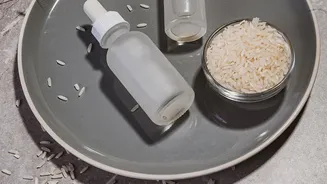
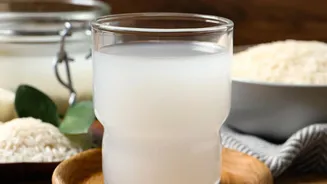
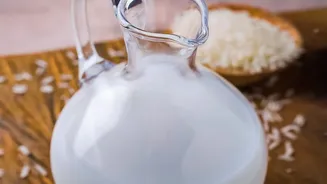
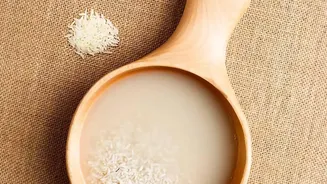
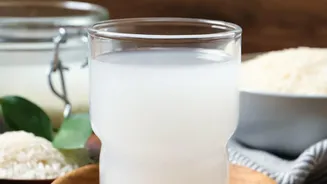
At its core, fermented rice water is the liquid left over after rinsing or boiling rice, which is then allowed to sit for a period, typically 24 to 48 hours. This resting period allows natural microorganisms, like beneficial bacteria and yeasts, to begin
a fermentation process. This ancient practice, popular in countries like India, Japan, and across Southeast Asia, transforms the starchy water into a nutrient-enriched fluid. The fermentation not only creates probiotics but also increases the bioavailability of certain vitamins and minerals like iron, potassium, and calcium that were present in the rice.
The Gut Health Connection
The most compelling claim for drinking fermented rice water lies in its potential to support the gut microbiome. The fermentation process encourages the growth of beneficial bacteria, particularly Lactic Acid Bacteria such as Lactobacillus. These are the same types of probiotics found in yogurt and other fermented foods that are celebrated for their positive effects on digestive health. A healthy gut microbiome, rich in diverse, beneficial bacteria, is crucial for proper digestion, nutrient absorption, and even immune function. By introducing these live bacteria, fermented rice water may help to reduce inflammation, alleviate bloating, and strengthen the gut lining.
A Natural Source of Hydration and Nutrients
While water is essential for hydration, the idea that fermented rice water is a superior hydrator comes from its nutritional content. It naturally contains electrolytes like potassium and sodium, which are crucial for maintaining fluid balance in the body. This makes it a natural option for rehydration, similar in principle to a sports drink but without the added sugars. Beyond electrolytes, the fermentation process can also generate or increase the availability of B vitamins, amino acids, and antioxidants, turning simple rice water into a more nutritionally complex beverage.
What the Science Says
While traditional use is extensive, scientific research on drinking fermented rice water is still emerging. Much of the existing research focuses on its topical use for skin and hair. However, studies have confirmed that fermenting rice does produce a variety of probiotic bacteria and beneficial metabolites, known as postbiotics. Some studies on fermented rice beverages have shown positive effects on gut microbiota in animal models. Researchers have identified various strains of Lactic Acid Bacteria in traditionally prepared fermented rice, confirming its status as a probiotic source. Still, many of the health benefits are not yet definitively proven by large-scale human trials, and experts advise cautious optimism.
How to Approach It Safely
If you're curious to try it, preparation and moderation are key. To make it, the water from soaking or cooking rice is left in a clean, covered container at room temperature for about 24-48 hours. A slightly sour smell indicates that fermentation has occurred. However, it's crucial to be mindful of hygiene to prevent the growth of harmful bacteria. Uncontrolled fermentation can go wrong, so it’s important to use clean containers and trust your senses; if it smells foul, it should be discarded. It's best to start with a small amount, such as half a cup in the morning on an empty stomach, to see how your body reacts. People with diabetes or compromised immune systems should consult a doctor before trying it.