



The Persistent Threat to India's Breadbasket
Punjab, often called India's breadbasket, is a region of immense agricultural importance. Yet, its farmers face constant pressure from fungal and viral diseases that can decimate yields of crucial crops like wheat, cotton, and potatoes. Traditionally,
identifying these diseases relied on a farmer's experience or waiting for a visit from an agricultural expert. By the time visible symptoms like yellowing leaves or blight are widespread, the infection has often progressed too far, leading to irreversible damage and significant financial loss. Estimates suggest that pests and diseases cost Indian farmers thousands of crores annually, a devastating blow to the small and marginal farmers who form the backbone of the sector. This reactive approach has left many vulnerable, turning farming into a gamble against time and nature.
An Agricultural Expert in Your Pocket
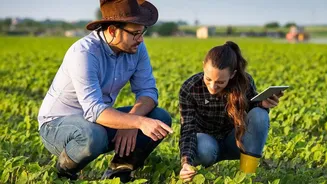
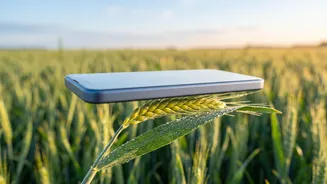
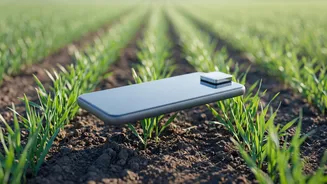
A new wave of agricultural technology, or AgriTech, is equipping these farmers with a powerful diagnostic tool: their own smartphones. A suite of new mobile applications, powered by artificial intelligence (AI), allows a farmer to simply take a photo of a suspicious-looking plant leaf. Within seconds, the AI analyses the image, compares it to a vast database of thousands of plant photos, and provides a probable diagnosis. This shift from reaction to prediction is a game-changer. For example, an app named Fasal Doctor has been specifically built for farmers in Punjab, designed to work even without an internet connection, a critical feature for remote rural areas.
How AI Learns to 'See' Disease
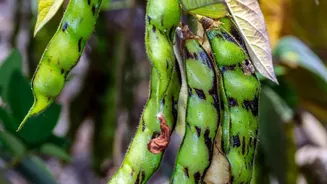
The magic behind these apps lies in a type of AI called machine learning, specifically using models known as Convolutional Neural Networks (CNNs). Researchers train these models by feeding them tens of thousands of images of both healthy and diseased plants. The AI learns to identify the subtle, almost invisible tell-tale signs of infection, such as tiny spots, slight discolourations, or changes in leaf texture that the human eye might miss. The more data it processes, the smarter and more accurate it becomes. Some of these AI models can now identify dozens of different diseases across multiple crops with high accuracy, turning a standard smartphone camera into a mobile laboratory.
From Lab to Farmland
Several initiatives are driving this technology from research labs into the fields. Universities like Chandigarh University have developed apps to tackle specific regional diseases. Independent developers and companies have also launched platforms like Fasal Doctor, which integrates advisory information from the respected Punjab Agricultural University (PAU). What makes this 'small AI' so effective is its accessibility. These tools are designed to be lightweight, work on basic smartphones, and function in areas with poor connectivity. Some apps even run the complex analysis directly on the phone itself, eliminating the need to send data to the cloud and providing an instant diagnosis.
Beyond Diagnosis: A Complete Solution
The benefits don't stop at identification. Once a disease is diagnosed, these apps often provide immediate, actionable advice for treatment. This can include recommendations for specific fungicides, instructions on dosage, and guidance on safer application methods. This empowers farmers to act swiftly and precisely, saving money by avoiding the use of incorrect or unnecessary pesticides and reducing the risk of widespread crop failure. Some advanced platforms integrate this with weather data to predict disease spread or offer chatbot services in local languages to answer follow-up questions, creating a comprehensive support system.
The Road Ahead for AgriTech
While the potential is enormous, the journey is not without challenges. Ensuring widespread adoption requires building trust, providing training, and making these apps available and understandable in multiple local languages. Internet connectivity, though improving, remains a hurdle in many parts of rural India, which is why offline-first applications are so crucial. However, the success of pilot projects in Punjab and other states shows a clear demand for such tools. As these technologies become more refined and widespread, they promise to make farming more sustainable, profitable, and secure for millions.