


The Challenge with Current Batteries
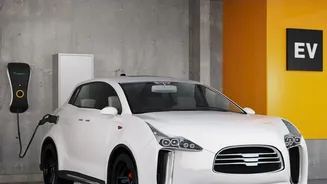
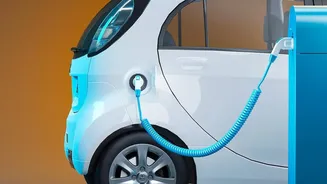
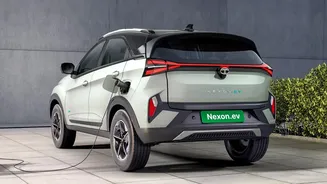
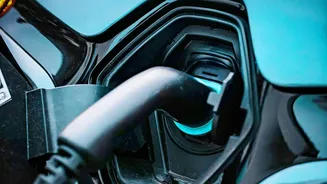
Electric vehicles have become a common sight, powered almost exclusively by lithium-ion batteries. This technology is powerful, but it comes with significant drawbacks. The first is safety. You have likely seen headlines about EV fires, which can be intense
and difficult to extinguish. This is due to a phenomenon called 'thermal runaway', where damage or defects can cause a battery cell to overheat, triggering a dangerous and self-sustaining chain reaction. The second major issue is the supply chain. Key materials like lithium, cobalt, and nickel are mined in only a few countries, leading to geopolitical tensions and high prices. Furthermore, the mining process itself can be environmentally damaging and raise ethical concerns over labour practices.
An Alternative Built on Salt and Scraps
To solve these problems, scientists are looking beyond lithium. One of the most promising alternatives is the sodium-ion battery. Sodium is one of the most abundant elements on Earth—it is the 'salt' in saltwater—making it incredibly cheap and widely available. Sodium-ion batteries are inherently more stable and less prone to fire than their lithium-ion counterparts. But the real innovation highlighted by recent breakthroughs lies in what the battery is made of. Instead of relying on expensive, mined graphite for the battery's anode (the component that stores energy), researchers are turning to agricultural waste. Materials like rice husks, sugarcane residue, wood pulp byproducts, and straw are being transformed into a crucial battery component.
How to Turn Waste into Power
The process sounds like modern alchemy, but it is grounded in straightforward science. Agricultural waste is rich in carbon. Through a process called pyrolysis, which involves heating the biomass to high temperatures in an oxygen-free environment, this organic material is converted into a highly porous and stable material known as 'hard carbon'. This engineered bio-char becomes the perfect anode for a sodium-ion battery. Its structure provides ample space for sodium ions to be stored during charging and released during use, delivering reliable electrical power. Global research teams, from startups in India like Indi Energy to university labs in Australia and corporate ventures in Europe, are perfecting this technique, each using different types of local agricultural byproducts.
The Twin Wins: Safety and Sustainability
This new approach offers two game-changing benefits. On the safety front, the combination of a stable sodium-ion chemistry with a robust hard carbon anode dramatically reduces the risk of thermal runaway. Some companies are even developing water-based electrolytes, which would make the batteries completely non-flammable. From a sustainability perspective, the advantages are immense. It creates a circular economy, taking waste that would otherwise be burned or left to rot—releasing greenhouse gases—and turning it into a high-value product. This simultaneously reduces pollution from waste burning and lessens our dependence on destructive mining operations. It also helps secure the supply chain by allowing battery components to be produced locally, wherever agriculture exists, rather than relying on a handful of distant sources.
The Road to Your Driveway
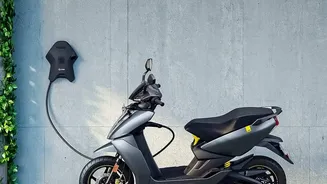
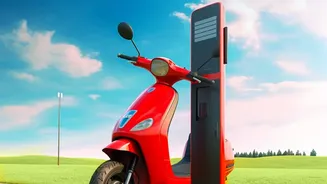
While this technology is incredibly promising, it will take time to move from the laboratory to the mass market. Researchers are focused on scaling up the production of hard carbon from biowaste to ensure consistent quality and drive down costs. They are also working to improve the energy density of these batteries so they can match the range of the best lithium-ion competitors. Initially, you are likely to see these sodium-ion batteries appear in applications where cost and safety are more critical than being ultra-lightweight, such as in electric scooters, e-rickshaws, and stationary energy storage for homes and power grids. As the technology matures, however, its potential to power the next generation of safer, more affordable, and truly green electric vehicles is enormous.