


A New Perspective on Travel
It’s a familiar story for many beloved global destinations: what was once a must-see spot is now being labelled a place to reconsider. A growing chorus of travel writers and guides are questioning the value of visiting Canada’s biggest attractions. This
isn't about cancelling these landmarks, but rather asking a new question: in an age of over-tourism, what is an authentic travel experience worth? The critiques generally fall into two categories: the commercialization that can overshadow natural beauty and the sheer volume of visitors that makes a peaceful experience nearly impossible. These criticisms are part of a larger trend, seen in lists like Fodor's annual 'No List', which encourages travellers to think about the impact and quality of their visits.
The Trouble with Niagara Falls
Niagara Falls is a prime example. The falls themselves are, by all accounts, a spectacular natural wonder. However, the criticism focuses on the surrounding area, often described as a 'discount-Las Vegas' filled with wax museums, haunted houses, and overpriced chain restaurants. Many visitors report feeling that the natural spectacle is buried under a layer of kitsch and aggressive commercialism. The cost of attractions and even food can feel inflated, with some restaurants reportedly adding a 'tourist tax'. While the mayor of Niagara Falls has noted that with 22 million annual visitors some criticism is expected, many travellers wish the experience focused more on the breathtaking scenery and less on the tourist traps.
Crowds in the Rockies
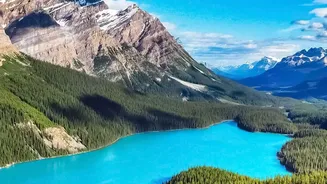
Banff National Park, Canada's oldest and most famous national park, faces a different kind of critique: over-tourism. With more than four million visitors annually, the dream of serene mountain solitude often meets the reality of traffic jams and crowded viewpoints. Popular spots like Lake Louise and Moraine Lake are so inundated with visitors that personal vehicle access has been restricted, requiring reservations on shuttles months in advance. This phenomenon, sometimes called 'Instagram-driven tourism', means trails are packed and the quiet communion with nature many seek is hard to find. While Parks Canada and local officials are implementing strategies to manage the flow of people, many residents and long-time visitors feel the park is bursting at the seams, impacting both the visitor experience and the fragile ecosystem.
The View from the CN Tower
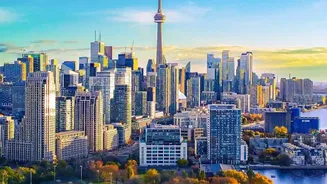
In Toronto, the CN Tower has also drawn fire, primarily for its high cost. With admission for the main observation deck being a significant expense, many ask if the view is worth the price. Critics point out that the best part of the Toronto skyline is the CN Tower itself—which, of course, you can't see when you're on it. While first-time visitors often find the experience thrilling, others suggest that better, and sometimes free, views of the city can be found from places like the Toronto Islands or Scarborough Bluffs. The debate highlights a key travel dilemma: is an iconic, ticketed experience essential, or can a more local, low-key alternative be just as rewarding?
Redefining the Bucket List
This wave of criticism doesn't mean these Canadian landmarks are no longer worth visiting. Instead, it reflects a shift in what many travellers are looking for. The focus is moving away from simply ticking boxes on a bucket list and towards seeking more personal and sustainable experiences. For some, that might mean visiting Niagara Falls but spending more time exploring the charming nearby town of Niagara-on-the-Lake. For others, it could involve choosing a less-crowded national park like Jasper or Yoho over Banff. The consensus seems to be that managing expectations is key. These places are popular for a reason, but the best experience often comes from planning ahead, visiting in the off-season, or consciously looking for the quiet moments that still exist beyond the crowds.