





Why Bir Billing?
Once known almost exclusively as India's paragliding capital, Bir Billing has quietly transformed into a premier destination for digital nomads. Unlike many commercialised hill stations, Bir retains a serene and authentic personality, offering a unique
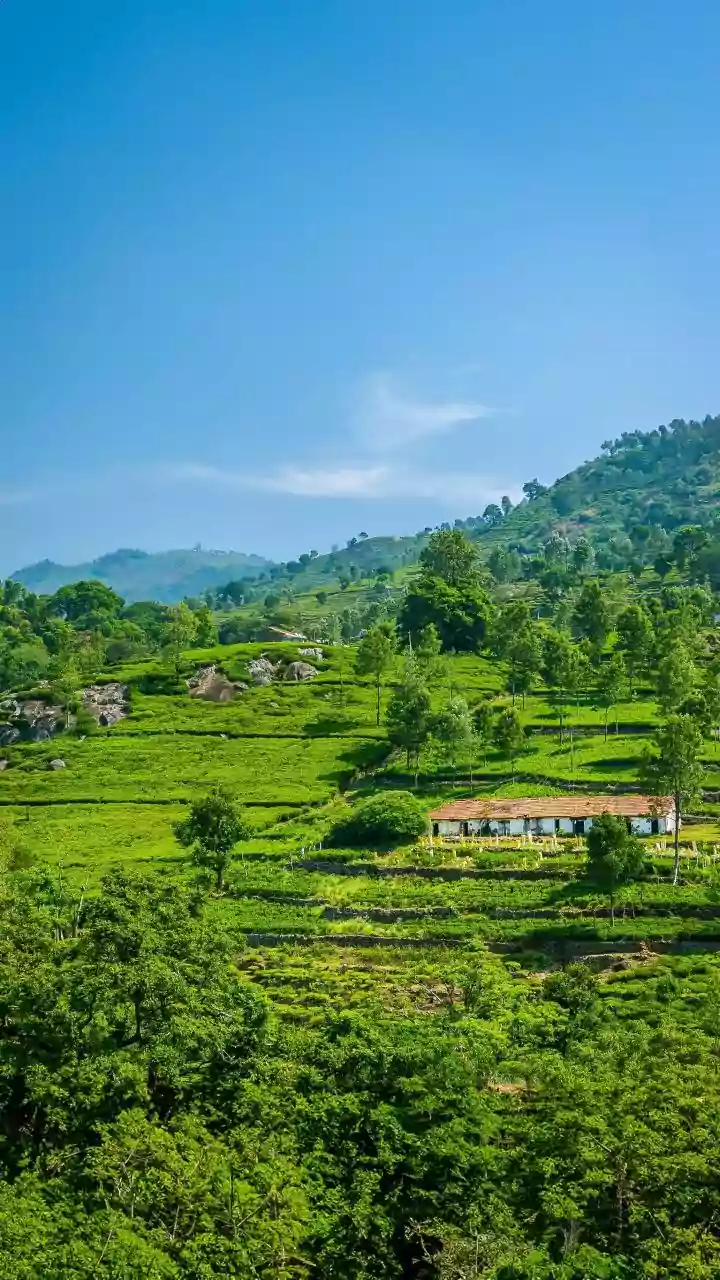
blend of Tibetan culture, tranquil monasteries, and lush tea gardens. This peaceful environment is the primary draw for professionals seeking focus and a respite from city noise. The town’s appeal isn't just aesthetic; it’s practical. It has evolved to support long-term stays, with a robust ecosystem of cafes and accommodations catering specifically to remote workers. The result is a place where one can feel disconnected enough to relax but connected enough to work efficiently.
The Anatomy of a Workation Hostel
The magic behind the Bir workation trend lies in its specialised hostels. These are not your typical backpacker dorms. Properties like Zostel, The Hosteller, and goSTOPS have engineered an environment for productivity. The non-negotiable amenities include high-speed fibre optic internet (often with dual-line redundancy), full power backup via generators and UPS systems, and dedicated co-working spaces. These zones are designed for focus, featuring ergonomic seating and a quiet atmosphere during work hours. After hours, these same hostels foster a vibrant social life. Common areas, in-house cafes, and rooftop terraces become hubs for community events, from acoustic jam sessions to skill-sharing workshops, ensuring that residents have a built-in social circle.
A Day in the Life: Code, Cafes, and Canopies
For a tech worker in Bir, a typical day is a study in balance. The morning might start with a video call against a backdrop of the Dhauladhar mountain range, followed by a few hours of focused coding in the hostel's co-working space. Lunch could be at a local cafe known for its organic food and reliable Wi-Fi, allowing for a change of scenery without sacrificing connectivity. The afternoon is for adventure. With the paragliding landing site often just a short walk away, many use their breaks for a tandem flight, soaring over the valley before returning for their evening tasks. Weekends are for longer treks, exploring nearby waterfalls, or simply unwinding in a hammock. This routine allows for deep work while integrating the thrill of adventure that brought them to the mountains in the first place.
The Practicalities and Pitfalls
While the lifestyle is idyllic, it's not without its challenges. The biggest hurdle is maintaining discipline when adventure is literally at your doorstep. The temptation to trade a deadline for a trek is constant. Moreover, while top hostels offer reliable infrastructure, a freak storm can still knock out power or internet, making backup plans essential. The cost of living is lower than in major cities, with monthly dorm stays available for under ₹10,000, but the expenses of adventure sports and cafe-hopping can add up. Successful workationers learn to structure their days rigorously, treating their work commitments with the same seriousness as they would in a corporate office, ensuring that the 'work' in workation remains the priority.
More Than a Getaway, It's a Community
Perhaps the most underrated aspect of the Bir workation scene is the community. Hostels intentionally curate a social environment that attracts like-minded individuals—developers, designers, writers, and entrepreneurs. This creates an organic networking hub where residents share professional advice, collaborate on projects, and form lasting friendships. It combats the isolation that can sometimes accompany remote work. Organized events like group hikes, movie nights, and bonfire sessions are standard, transforming a collection of solo travelers into a supportive temporary family. For many, the connections made with fellow professionals in the serene Himalayan setting are as valuable as the work they complete and the adventures they have.