


A Symphony of Living Light
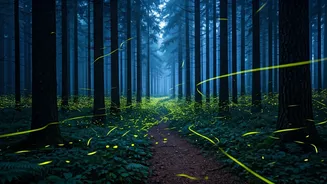
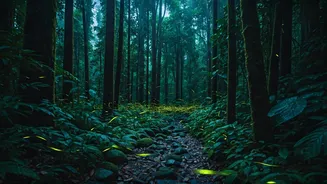
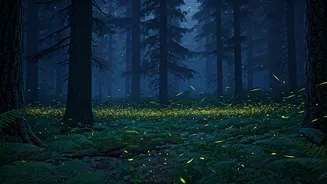
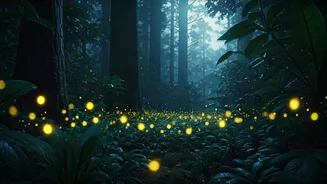
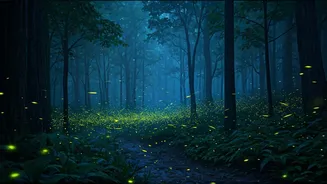
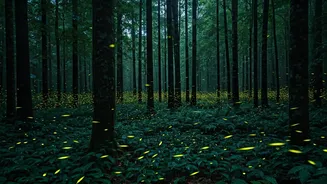
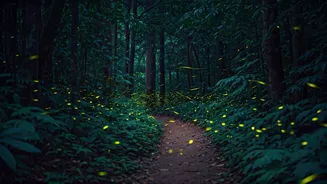
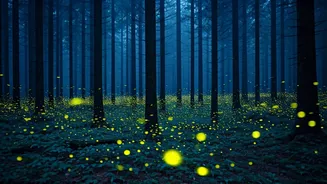
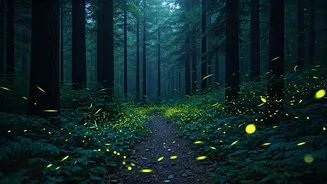
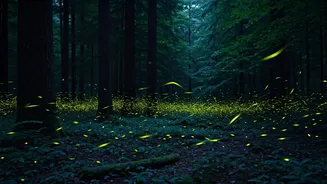
There are few natural phenomena as enchanting as a forest full of fireflies. As twilight deepens into night, a silent, magical transformation occurs. One or two hesitant blinks appear in the foliage, then a dozen more. Within minutes, the entire forest is
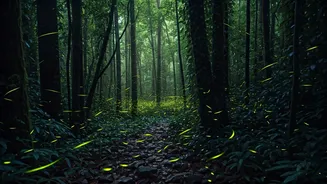
alive with a pulsating, synchronised glow. It’s a quiet spectacle, a symphony of light performed by thousands of tiny insects, each flashing a message into the darkness. Walking through these forests feels like stepping into a fantasy film. The air is cool, filled with the earthy scent of damp soil and leaves, and the only sound is the gentle rustle of the trees and the soft thrum of this living constellation.
The Science Behind the Spectacle
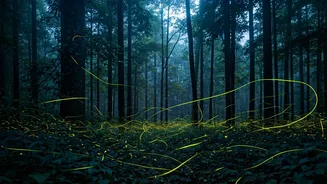
This breathtaking display is not magic, but a beautiful biological process called bioluminescence. Fireflies, which are actually winged beetles, produce a chemical reaction inside their bodies to create light. This ‘cold light’ doesn't generate heat, making it incredibly efficient. But why do they do it? The primary reason is romance. Male fireflies flash specific patterns to attract females of the same species. A receptive female will respond with her own distinct flash, guiding the male toward her. Each species has its own unique light language—some flash in long streaks, others in short, sharp bursts. This silent, flickering conversation is one of nature’s most elaborate courtship rituals, turning entire forests into grand ballrooms for a few precious weeks each year.
Where to Witness This Magic
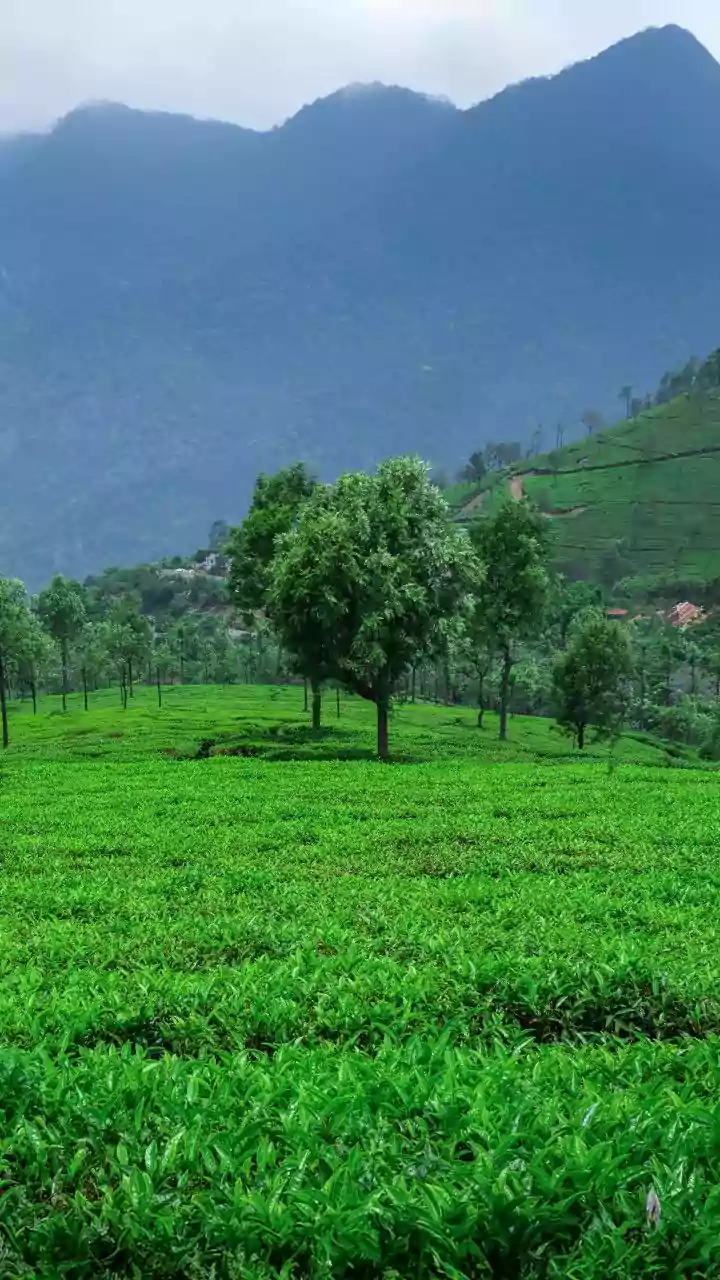
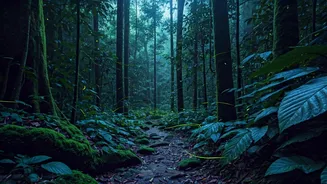
India is blessed with several regions where you can witness this phenomenon, particularly in the Western Ghats. The most famous destination is Purushwadi, a small village in Maharashtra that hosts an annual Firefly Festival. Every year, just before the monsoon arrives, millions of fireflies congregate here, attracting nature lovers from across the country. Local villagers act as guides, leading visitors on night walks through the surrounding forests. Other hotspots include the Bhandardara region in Maharashtra, parts of Coorg in Karnataka, and the Anamalai Tiger Reserve in Tamil Nadu. The key is to find rural areas with minimal light pollution and dense tree cover near water sources, as these are the ideal habitats for firefly larvae.
Planning Your Visit
Timing is everything. The firefly season is short and sweet, typically lasting from late May to the end of June, right before the heavy monsoon rains begin. This is their peak mating season. When planning a trip, book your stay and guides in advance, especially if heading to popular spots like Purushwadi. Wear comfortable walking shoes and dark-coloured clothing to blend in with the night. Avoid using bright torches or your phone’s flashlight, as this artificial light disrupts the fireflies’ mating patterns and can ruin the experience for everyone. A faint, red-filtered light is acceptable if you must use one. Most importantly, go with a sense of patience and wonder. It takes a few minutes for your eyes to adjust to the darkness, but the reward is an unforgettable sight.
A Fragile and Fading Wonder
This unreal experience is also a fragile one. Firefly populations around the world are declining due to habitat loss, pesticide use, and, most critically, light pollution. The bright, constant glow from our cities and towns confuses fireflies, interrupting their light-based communication and preventing them from finding mates. Witnessing them is a reminder of the delicate beauty of our natural ecosystems and our responsibility to protect them. Being a responsible tourist means leaving no trace, respecting the environment, and supporting local communities that are working to conserve these magical habitats. By choosing eco-tourism initiatives, you help ensure that these forests will continue to light up for generations to come.