




From Big Studios to Your Bedroom
Not long ago, creating a polished video, a professional podcast, or even a well-designed graphic required expensive software, specialized skills, and countless hours. This created a gap between large media houses and independent creators. Artificial intelligence
is closing that gap. AI tools are automating the technical, time-consuming tasks that once formed a barrier to entry, allowing solo creators to compete in terms of quality and output. It’s about handling the grunt work—like complex editing or sound mixing—so creators can focus on their unique ideas and stories.
The Visual Revolution: Video and Images
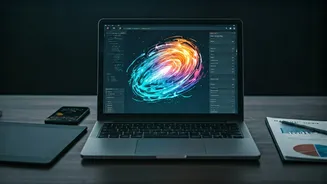
For video creators, AI is a game-changer. Tools now exist that can edit footage based on text commands, automatically generate captions in multiple languages, and even create entire video sequences from a simple prompt. Need a specific shot you couldn't film? Text-to-video generators like OpenAI's Sora or Google's Veo can create realistic footage. Similarly, text-to-image tools such as Midjourney allow creators to generate custom thumbnails, illustrations, and social media graphics without any design experience, moving beyond generic stock photos. This democratizes visual storytelling, enabling anyone with a vision to bring it to life.
Sound and Music Made Simple
High-quality audio used to be the domain of those with soundproof studios and expensive microphones. Today, AI can turn a closet recording into a crystal-clear voiceover. AI-powered audio editors can remove background noise, balance levels, and even clone a creator's voice for consistent narration. Beyond cleanup, AI is also composing music. Tools like Suno can generate original, royalty-free soundtracks in any genre, giving creators a custom score without the high cost of a composer. This allows podcasters, YouTubers, and filmmakers to add a professional audio layer that was previously out of reach for many.
The Written Word, Reimagined
Writer's block is a common hurdle for creators. AI writing assistants like ChatGPT and Claude now act as creative co-pilots, helping to brainstorm ideas, structure scripts, and overcome creative ruts. They can generate first drafts, rewrite content in different tones, and even summarize research. For creators looking to expand their reach, AI also offers powerful translation capabilities, making it easier to adapt content for global audiences with localized narration and subtitles. This allows a single creator to manage a multilingual content strategy efficiently.
The Business of Creation
Being a creator isn't just about the creative part; it's also about running a business. Many creators are one-person operations, and AI is stepping in to help manage the workload. AI tools can analyze audience data to identify trends, suggest optimal posting times, and even help draft campaign briefs for brand partnerships. They can automate the creation of social media captions, video descriptions, and marketing emails, freeing up creators to focus on building their community and developing bigger-picture strategies.
Not a Magic Bullet, But a Powerful Tool
Despite its benefits, AI is not without its challenges. Some creators worry that the flood of AI-generated content makes it harder for unique voices to stand out. A recent Adobe survey found that 42% of creators believe AI is making the landscape more crowded. There are also valid concerns about the potential for uninspired, generic content and ethical issues surrounding copyright and deepfakes. The consensus is that AI should augment human creativity, not replace it. The most successful creators will be those who use these tools to enhance their own distinct vision and storytelling, rather than letting the machine take the lead.