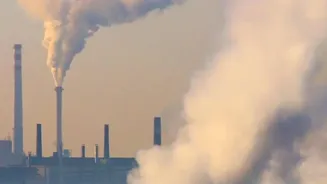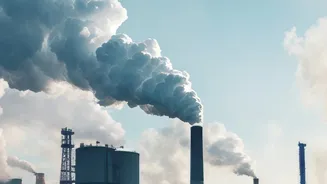






The Staggering Cost on the National Scale
The economic impact of air pollution is no longer a footnote; it is a headline figure. Recent reports from institutions like the World Bank and industry bodies like the Confederation of Indian Industry (CII) and FICCI paint a grim picture. One analysis
by Dalberg Advisors, in partnership with CII, estimated that air pollution costs Indian businesses a staggering $95 billion annually, which is approximately 3% of the country's GDP. Another report by FICCI and EY suggests the total economic loss could be as high as 9.5% of GDP when factoring in wider costs like healthcare expenditure and premature deaths. These are not just abstract numbers; they represent a direct and recurring drain on national prosperity, equivalent to a significant portion of the country's tax revenue.
Productivity and Talent Take a Hit
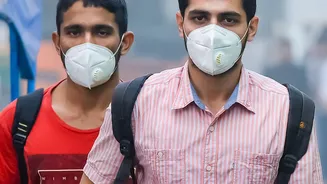
The most immediate impact for any business is on its people. Poor air quality directly affects employee health, leading to a rise in sick days and absenteeism. An estimated 1.3 billion working days are lost annually in India due to pollution-related health issues. But the damage is deeper than just empty desks. The concept of 'presenteeism'—where employees show up to work but perform at a reduced capacity due to the physical and cognitive effects of pollution—is a major hidden cost. On high pollution days, worker productivity can drop by 8-10%. This is especially pronounced in cognition-intensive sectors like IT and software, where firms in polluted cities can be up to 6% less productive. The long-term challenge is attracting and retaining talent, with multinational corporations increasingly favouring cities with better air quality for expansion.
Supply Chains Choked by Smog
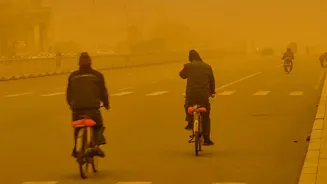
Smog is a logistical nightmare. When visibility drops, transportation grinds to a halt. The enforcement of measures like the Graded Response Action Plan (GRAP) during peak pollution season, while necessary for public health, causes severe business disruptions. These often include bans on the entry of diesel trucks, which form the backbone of goods transport, and a complete stoppage of construction activities. The result is a cascade of problems: delayed raw material deliveries, stalled projects, and increased last-mile delivery costs as companies scramble to use smaller, compliant vehicles. For the millions of micro, small, and medium enterprises (MSMEs) in northern India, these disruptions can be crippling, escalating operational costs and delaying output.
Customers Stay Home, Hurting Retail and Services
When the air is hazardous, people vote with their feet by staying indoors. This leads to a significant drop in footfall for brick-and-mortar businesses. Retailers, restaurants, and entertainment venues report sharp declines in customers during severe smog episodes. Discretionary spending is the first to be cut, as a trip to the mall or a restaurant outing is easily postponed. The Confederation of All India Traders (CAIT) has estimated that traders could face business losses of up to 20% during these periods. The impact is also felt in the tourism and hospitality sectors, which lose revenue as both domestic and international travellers are deterred by the prospect of unhealthy air.
A Structural Risk, Not a Seasonal Nuisance
For years, pollution may have been viewed as an unavoidable byproduct of growth, a seasonal problem to be endured. Today, Indian and multinational businesses are increasingly viewing it as a structural risk to be managed. The recurring nature of the crisis forces companies to factor air quality into their financial forecasts, expansion plans, and operational strategies. It is no longer just an environmental or health issue but a core business continuity concern that affects everything from production schedules to investment decisions. This shift in perspective underscores the urgent need for collaborative, long-term solutions that align economic growth with environmental sustainability.