






The Foundation: Your Fabric Choices
Smart travel laundry begins before you even pack your bags. The clothes you choose are the single most important factor. While cotton is comfortable, it’s a poor choice for travel washing because it absorbs a lot of water and takes a very long time to dry.
Instead, build your travel wardrobe around quick-drying, wrinkle-resistant materials. Synthetics like polyester and nylon are hydrophobic, meaning they repel water and dry incredibly fast. Merino wool is another travel superstar; it’s not only quick to dry but also naturally odour-resistant, allowing for multiple wears before a wash is needed. A wardrobe built on these fabrics means a small sink wash in evening can yield a fresh, dry outfit by morning.
Assemble Your Compact Laundry Kit
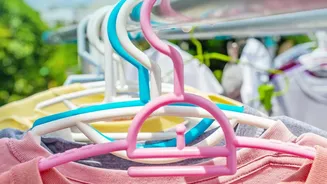
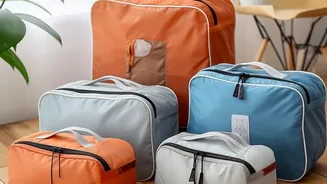
You don’t need much to effectively wash clothes on the road, but a few key items can make the process much smoother. Start with a dedicated laundry bag to keep dirty clothes separate from clean ones in your suitcase. For detergent, laundry sheets are a traveller's best friend: they are solid, lightweight, and pre-measured. A universal sink stopper is another crucial tool, as many hotel sinks lack a functional plug. Round out your kit with a small stain remover pen for spot treatments and a travel clothesline or foldable hangers, which give you more options for drying. These items take up minimal space but provide maximum convenience.
The Art of the Sink Wash
Washing clothes in a hotel sink or a dry bag is a simple skill to master. First, ensure the sink is clean, then use your universal plug to fill it with lukewarm water. Add your detergent—remembering that a little goes a long way with handwashing—and swish to dissolve it before adding your clothes. Wash just a few items at a time to avoid overcrowding. Gently knead and swirl the clothes for a few minutes, paying extra attention to any soiled spots. Drain the soapy water, then rinse the garments with clean water until no more suds appear. Be gentle and avoid aggressive wringing, which can stretch and damage the fabric.
Mastering the Quick Dry
Getting your clothes dry overnight is the final and most crucial step. The key is to remove as much excess water as possible before hanging them. Lay a clean, dry towel flat, place your wet garment on top, and roll them up together tightly, like a burrito. Press or even stand on the towel roll to squeeze a significant amount of water out of the clothing. When you unroll it, the item will be damp, not dripping. Now, hang it up. Give each piece of clothing its own space to allow for maximum airflow; don't layer items. Use the shower rod, a travel clothesline, or hangers. To accelerate drying, turn on the bathroom fan or position the clothes in the path of the room's air conditioning unit.
Know When to Outsource
Hand washing is ideal for a few items like shirts, socks, and underwear. However, for a full load of dirty clothes or for bulky items, it’s often more practical to seek out local services. Many accommodations offer laundry services, though they can be pricey. A more cost-effective option is often a local laundromat. Planning one mid-trip laundry session at a laundromat can be a great way to reset your entire wardrobe, allowing you to pack for half the length of your trip. It provides a chance to wash everything thoroughly and, most importantly, use a high-powered dryer, saving you the time and effort of air-drying a large volume of clothes.