






From Morning Routine to Marketplace
The 'Get Ready With Me' (GRWM) format has been a staple of internet culture for years. It started as a simple, intimate look into a creator's routine—choosing an outfit, doing their makeup, and sharing their day. But a quiet revolution has been underway.
Today, that casual video is a sophisticated piece of e-commerce. [23, 25] The line between content creation and retail has blurred into non-existence. This shift is a core part of social commerce, where platforms like Instagram and Facebook are no longer just for connection but are powerful engines for sales. [4, 7] For Indian consumers, who are increasingly discovering and buying products through social media, the GRWM Reel is the new storefront. [17]
The Tech Behind the Tag
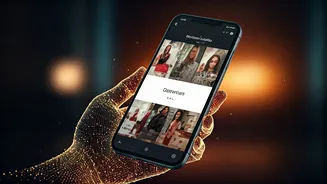
This transformation is powered by specific platform features that have turned passive viewing into an active shopping opportunity. The most crucial tool is the product tag. [19] Instagram now allows eligible creators in India to tag products directly within their Reels. [18, 24] This can be done by connecting to a brand's product catalogue or by using affiliate links. [18, 24] When a viewer watches a Reel and sees a tagged item—be it a kurta, a lipstick, or a pair of earrings—they can tap the tag to see product details and a link to purchase, often without leaving the app. [12, 19, 20] Creators can tag up to 30 products in a single video, effectively turning a 60-second clip into a mini-boutique. [18] This seamless integration removes the old friction of typing "link in bio," shortening the path from discovery to checkout dramatically. [12]
A New Revenue Stream for Creators
For Indian creators, this is a game-changer. The ability to embed shoppable links directly into content creates a direct monetisation path that goes beyond brand endorsements. [24] Through affiliate programs, creators earn a commission on sales generated through their tagged products. [18, 21] This aligns their influence directly with their income. A recent report by Google and Deloitte projects that creator-led commerce will contribute about $25 billion to India's e-commerce market by 2030. [2, 5] The trend empowers creators to function as mini-storefronts, leveraging the trust they've built with their audience to drive sales. [2] This trust is a powerful currency; 63% of shoppers trust influencers for product information, and their recommendations can drive significant impulse purchases. [2]
Why Brands Are All In
Brands are enthusiastically embracing this trend because it offers a more authentic and effective alternative to traditional advertising. Seeing a trusted creator style an outfit in a GRWM video feels more like a friend's recommendation than a corporate ad. [14] This authenticity drives higher engagement and conversion. [15] Influencer-tagged products see significantly higher engagement rates, and brands can even boost these creator Reels as official partnership ads, amplifying their reach. [18, 22] Moreover, this trend allows brands, especially smaller MSMEs and D2C (Direct-to-Consumer) businesses, to reach a wider audience in Tier-2 and Tier-3 cities, a market segment that is increasingly shopping online. [3, 6]
The Consumer Experience: Convenience vs. Impulse
For shoppers, the benefits are clear: convenience and discovery. Social media has become a primary channel for discovering new products, and shoppable Reels make the experience seamless and entertaining. [13, 17] However, this frictionless process also has a downside. The ease of buying with a single tap can fuel impulse purchases, leading users to buy things they may not need. [13] There are also potential pitfalls, such as inconsistent return policies or the risk of a poor user experience if the technology glitches. [13, 16] Despite these challenges, the trend shows no signs of slowing down. As platforms continue to refine the technology, the integration of content and commerce is only set to become deeper and more pervasive.