




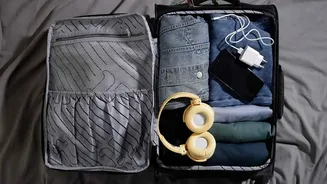
The Wet & Dry Zone Philosophy
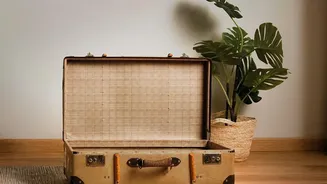
The core of smart monsoon packing is dividing your luggage into two distinct sections: a 'dry zone' for items that must stay protected, and a 'wet zone' for gear designed to handle the rain. This isn't about having two separate bags, but creating a system
within your main luggage. The dry zone is a sanctuary for electronics, documents, and clean, dry clothes. The wet zone is the designated area for your raincoat, umbrella, and waterproof footwear—items that will inevitably get damp and need to be isolated. This simple separation prevents moisture from a wet jacket from seeping into your fresh set of clothes for the evening, saving you from the dreaded feeling of pulling on a damp shirt.
Building Your Fortress: The Dry Zone
Your dry zone is the most critical part of this system. Its purpose is to shield your most vulnerable items from water. Start by safeguarding your electronics like phones, cameras, and power banks in waterproof pouches or dedicated dry bags. Even small zip-top plastic bags can work in a pinch for smaller gadgets. Your passport, tickets, and other important documents should also go into a sealed, waterproof sleeve. For clothing, use packing cubes. While standard cubes offer organization, consider investing in water-resistant or fully waterproof versions for your clean, dry outfits. This creates an extra layer of defence, ensuring that even if your main bag gets damp, your essentials remain pristine and ready to use.
Gearing Up: The Wet Zone and Rain-Ready Items
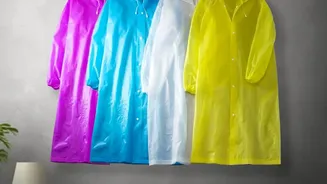
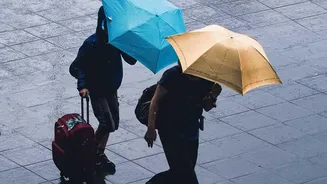
The wet zone is for everything you expect to get wet. This includes a lightweight, foldable raincoat or poncho and a sturdy, wind-resistant umbrella. These items should be stored in an easily accessible outer pocket or a designated waterproof bag within your luggage, so you can grab them quickly when a downpour starts. This zone will also be the temporary home for these items when they are damp after use. A reusable, sealable bag is perfect for stashing a wet raincoat or dripping umbrella until you can properly dry them. Think of this zone as your frontline defence against the rain, containing the mess so the rest of your belongings stay comfortable and dry.
Fabric Smarts: Choosing Quick-Dry Clothes
What your clothes are made of matters immensely during the monsoon. Heavy fabrics like cotton and denim are a poor choice as they absorb a lot of moisture and take ages to dry, often leaving them with a musty smell. Instead, pack clothes made from synthetic or synthetic-blend fabrics like polyester, nylon, or rayon. These materials are lightweight, repel water, and dry incredibly fast. A wardrobe built around quick-dry t-shirts, nylon trousers, and polyester-blend tops will keep you comfortable and make laundry far more manageable. For an extra layer of warmth in cooler, rainy destinations, a fleece or merino wool sweater is ideal as they retain warmth even when slightly damp and are also quick to dry.
Footwear Strategy: Grip and Dry
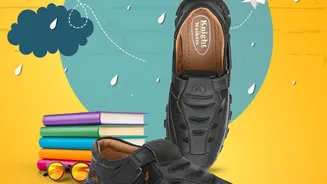
Choosing the right footwear can make or break a monsoon trip. You need shoes that offer excellent grip on slippery surfaces and can handle getting wet. Avoid shoes that will get ruined by water or take forever to dry. Good options include rubber-soled, slip-proof sandals, floaters, or dedicated waterproof boots. It’s a wise strategy to pack at least two pairs of shoes: one pair of sturdy, water-friendly footwear for daytime exploration and another dry pair of shoes or sandals to change into for the evenings. This ensures your feet get a break and you always have something dry and comfortable to wear. Packing extra pairs of socks is also non-negotiable; waterproof socks can be a game-changer for long walks in the rain.
The 'In-Transit' Purgatory Bag
The zoning system doesn't end once you've packed. During your trip, you'll need a way to manage items that are damp but not yet ready to be washed or repacked. This is where a 'purgatory' bag comes in handy. A simple dry bag or even a large plastic bag will do. Use it to isolate damp clothes, a wet swimsuit, or muddy shoes from the contents of your main dry zone. This prevents moisture and odour from spreading. Once you reach your hotel, you can hang these items to dry. Some travellers even pack a portable clothesline for this exact purpose, allowing them to create a drying station in their room.