






Numbers That Boggle the Mind
This year's monsoon has been exceptionally intense. In the first week of July alone, Mumbai was drenched with unprecedented downpours. The Santacruz observatory recorded staggering figures, surpassing 989 mm between June 30 and July 6. By July 6, the city
had already received over 60% of its average seasonal rainfall, the highest for this period in 27 years. This wasn't just a heavy spell; it was a series of “cloudburst-like” episodes, where several hundred millimetres fell in just 24 to 48 hours. This intense concentration of rain, a pattern climate scientists warn is becoming more common, overwhelms infrastructure designed for more evenly spread showers.
A City Submerged and Stranded
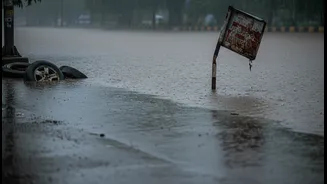
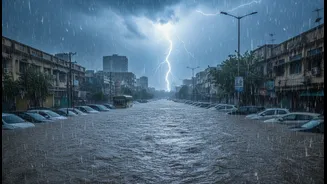
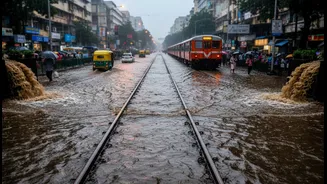
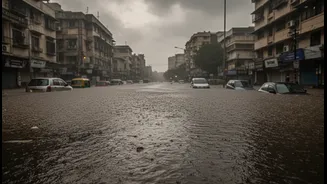
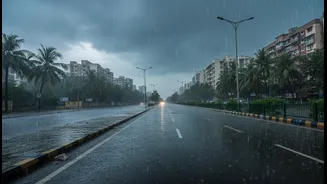
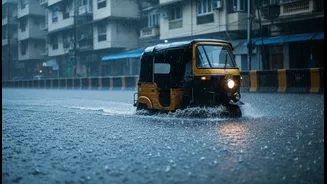
The impact on the ground was immediate and severe. Major arterial roads and low-lying areas like Andheri, Hindmata, and Chembur were quickly inundated, bringing vehicular traffic to a standstill. The Andheri subway, a crucial east-west connector, was forced to shut down. The chaos extended to the city's lifelines: the suburban railway network. Waterlogging on tracks, particularly in the Vasai-Virar section and between Kurla and Matunga, caused significant delays and suspensions. Thousands of commuters returning home were stranded for hours, facing overcrowded trains and the daunting prospect of wading through knee-deep water to find alternative transport. The situation was so dire that authorities urged residents to avoid all non-essential travel.
The Renter's Monsoon Struggle
For Mumbai's vast population of renters, the monsoon brings a different layer of hardship. While homeowners may have more control over maintenance, tenants often find themselves at the mercy of landlords and building societies when it comes to structural issues. Every year, the season reignites disputes over who is responsible for fixing leaky roofs, damp walls, and internal plumbing failures. Tenants in older, dilapidated buildings live with the constant fear of structural collapse, a threat amplified by incessant rain. Many are trapped by a combination of high rents in safer buildings and stalled redevelopment projects, forcing them to remain in homes classified as dangerous. Ahead of this monsoon, the Maharashtra Housing and Area Development Authority (MHADA) identified 82 cessed buildings as highly dangerous, housing over 2,700 occupants who were urged to evacuate. For these residents, the rain is not just an inconvenience but a direct threat to their safety and shelter.
The Civic Response on War Footing
In response to the crisis, the Brihanmumbai Municipal Corporation (BMC) and other agencies were put on high alert. The BMC deployed over 10,000 personnel across the city to manage flooding, clear fallen trees, and respond to emergencies. Around 448 pumping stations were activated to drain water from flood-prone spots. Schools and colleges were shut as a precautionary measure, and disaster response teams were kept on standby. Officials monitored the situation around the clock from the disaster control room, coordinating efforts to minimise disruption. Despite these measures, the sheer volume of rainfall exposed the limitations of the city's drainage systems and the immense challenge of managing an extreme weather event in one of the world's most densely populated urban areas.