








An Unexpected Revelation
During a Senate Armed Services Committee hearing on November 17, acting Secretary of the Navy Hung Cao made a startling disclosure. He stated that due to the high demand for weapons during 'Operation Epic Fury'—the administration's name for the war with
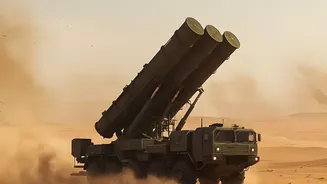
Iran—the Navy has been 'recoding' munitions previously considered unserviceable. Cao specified that these were not useless assets but rather munitions designated with codes indicating they were 'expired' yet capable of being restored. According to a Defense Logistics Agency manual, these codes signify that the materiel requires either limited work or a more significant overhaul to be made battle-ready. This process allows the US to stretch its arsenal further than previously thought, a move born of necessity in a protracted conflict.
The Context of a Long Conflict
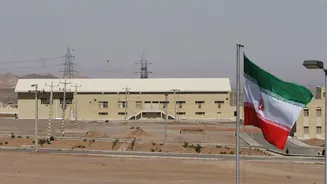
The United States and Iran have been in a state of active conflict since late February 2026, when the US and Israel launched a series of airstrikes against Iranian nuclear and military infrastructure. The initial assault reportedly included the assassination of Iran's Supreme Leader, Ali Khamenei. Since then, the conflict has ebbed and flowed, marked by Iranian responses like blocking the Strait of Hormuz, a critical global oil artery, and a US-led naval blockade to enforce economic pressure. Despite several ceasefires and diplomatic efforts, a durable peace has remained elusive, with both sides trading strikes over alleged violations. As of late 2026, the situation is often described as a tense 'no war-no peace' stalemate, with the US relying on severe economic pressure and a sustained military presence.
A Strategy Driven by Shortage
Cao's admission does not exist in a vacuum; it confirms long-swirling concerns about the depletion of US military stockpiles. The war has consumed vast quantities of advanced munitions, particularly Tomahawk cruise missiles, with reports suggesting over 850 were used in the first month alone. A recent Government Accountability Office (GAO) report, mandated by Congress, concluded that the Iran war has significantly worsened a 'persistent' shortfall of key munitions, contradicting repeated assurances from the White House. For months, administration officials have dismissed reports of shortages as 'fake news', insisting the military has more than enough firepower to achieve its objectives. The acting Navy secretary's testimony now provides official, on-the-record validation of the immense logistical challenge facing the Pentagon.
The Broader Implications
Reclassifying older munitions is a creative, if concerning, solution to a pressing problem. However, it raises serious questions about the sustainability of the US military posture and its global readiness. The strain on the arsenal has reportedly forced the Pentagon to draw down supplies from other critical theaters in Europe and Asia and even pause a significant arms sale to Taiwan. The revelation is also politically charged, creating a credibility gap between the administration's confident public statements and the pragmatic, and perhaps desperate, measures being taken by military leaders on the ground. The need to dip into 'expired' reserves signals that the industrial base is struggling to keep pace with the consumption rate of modern warfare, a fact with strategic implications that extend far beyond the current conflict in the Middle East.