



What The Evidence Supports: A Greener, Quieter Ride
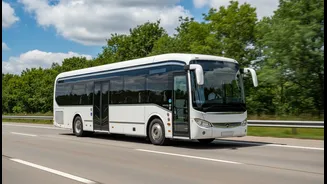
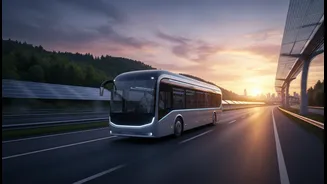
The most immediate and undeniable benefit of electric buses is their environmental impact. With zero tailpipe emissions, they are a powerful tool in the fight against urban and highway air pollution. This is a significant advantage in a country where
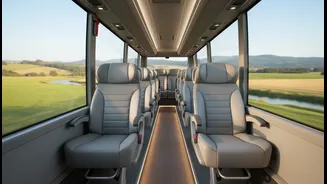
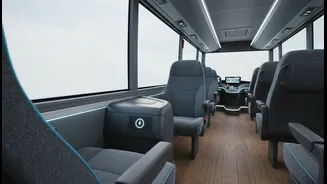
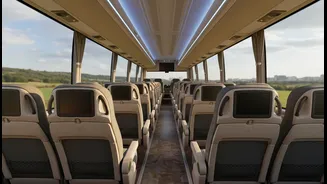
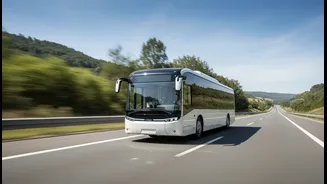
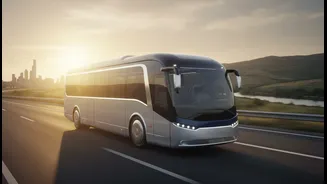
road transport contributes heavily to greenhouse gas emissions. For passengers and residents along busy corridors, the difference is night and day. Electric buses run almost silently, dramatically reducing noise pollution and offering a much smoother, vibration-free ride. This improved passenger experience is a key feature of the “premium” offering from operators like NueGo and zingbus, who are equipping their fleets with amenities that position electric coaches as a comfortable alternative to trains or even short-haul flights.
What The Evidence Supports: Lower Running Costs
While the initial purchase price is high, the evidence strongly supports the claim that electric buses are significantly cheaper to operate. The cost of electricity per kilometre is roughly half that of diesel. On a high-traffic route, this can translate into monthly savings of tens of thousands of rupees per bus. Maintenance costs are also lower. Electric buses have far fewer moving parts than diesel engines, which means no oil changes and less wear and tear on components like brakes, thanks to regenerative braking systems. Over a 10-to-12-year lifespan, these operational savings can offset the steep upfront investment, leading to a lower Total Cost of Ownership (TCO).
What It Does Not (Yet) Support: A Low Upfront Cost
The single biggest hurdle that the evidence does not support is affordability at the point of purchase. An electric intercity bus can cost between ₹1.5 crore and ₹2.2 crore, which is several times more than a comparable diesel bus priced around ₹26-32 lakh. This massive capital outlay is a major barrier, especially for the small, private operators who dominate India's intercity bus market. While government schemes like FAME and PM-eBus Sewa provide subsidies, these have largely benefited state-run urban transport undertakings. For private operators, securing financing for such an expensive asset remains a significant challenge.
What It Does Not (Yet) Support: Freedom from Range Anxiety
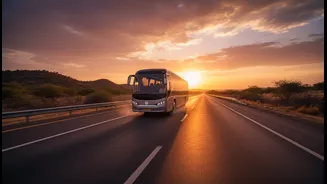
While ideal for predictable city routes, intercity travel introduces the challenge of range. Today's electric buses are mostly designed for city duty cycles with daily ranges of 180-250 km. Intercity routes demand longer ranges of 350-450 km or more, robust performance in varied highway conditions, and heat-resilient batteries. This leads to “range anxiety”—the fear of running out of power between cities. While operators are successfully running services on established corridors like Delhi-Chandigarh and Bengaluru-Chennai, this is only possible with carefully planned, route-specific charging infrastructure. Widespread, spontaneous long-distance travel is not yet feasible.
What It Does Not (Yet) Support: A Plug-and-Play Infrastructure
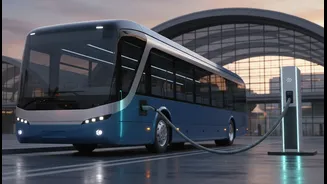
The success of intercity electric buses is entirely dependent on a reliable and widespread charging network, which currently does not exist at scale. Unlike a diesel bus that can refuel anywhere, an electric bus needs a high-capacity charger. Building out this infrastructure, especially along highways, requires immense investment and planning. Furthermore, a depot charging 100 buses can create a massive power demand of 4-5 MW, putting a significant strain on local power grids, which are often already fragile. This “DISCOM dilemma” means that simply setting up chargers isn't enough; the entire electricity distribution network needs to be upgraded to handle the load, a challenge that is far from being solved.